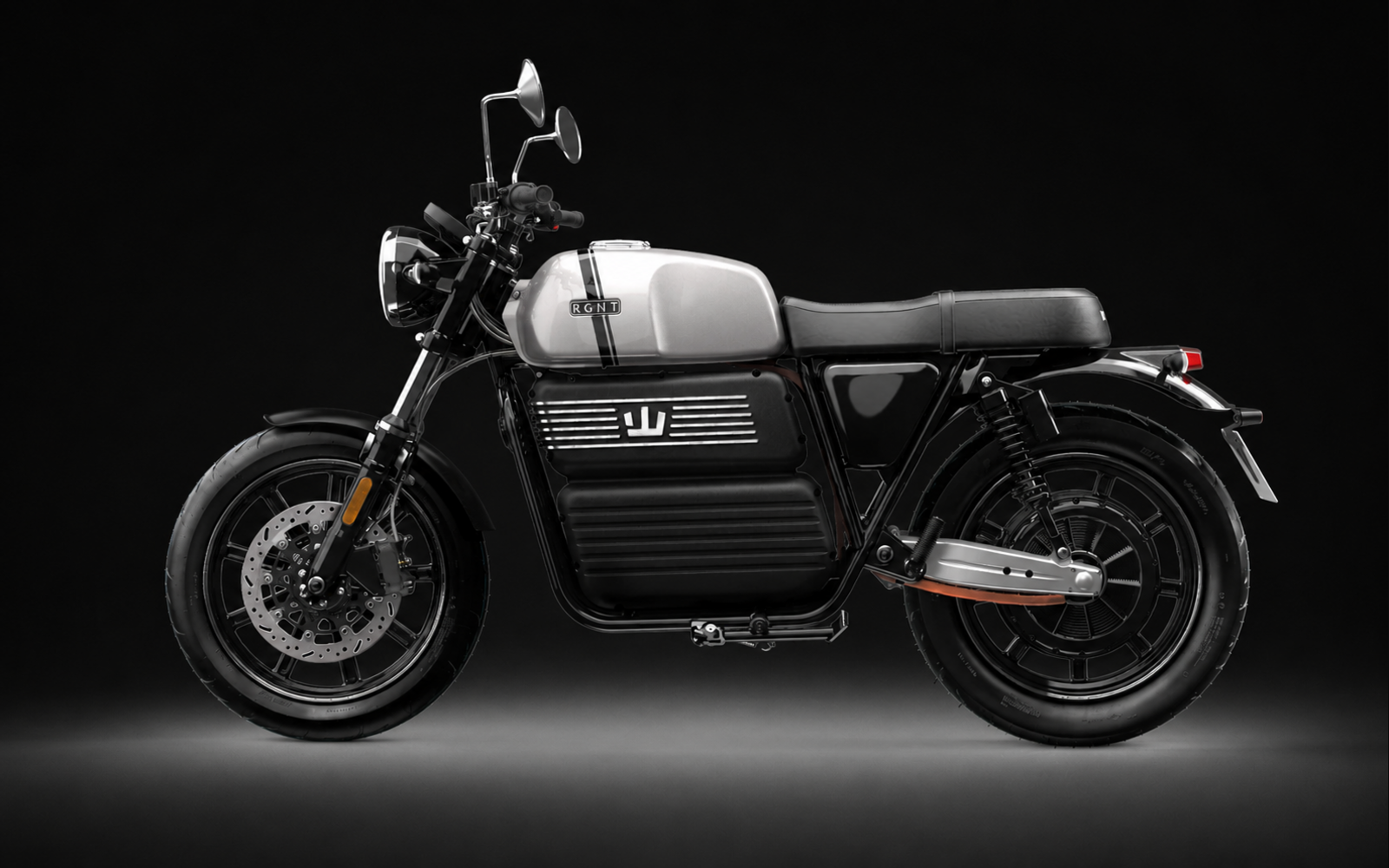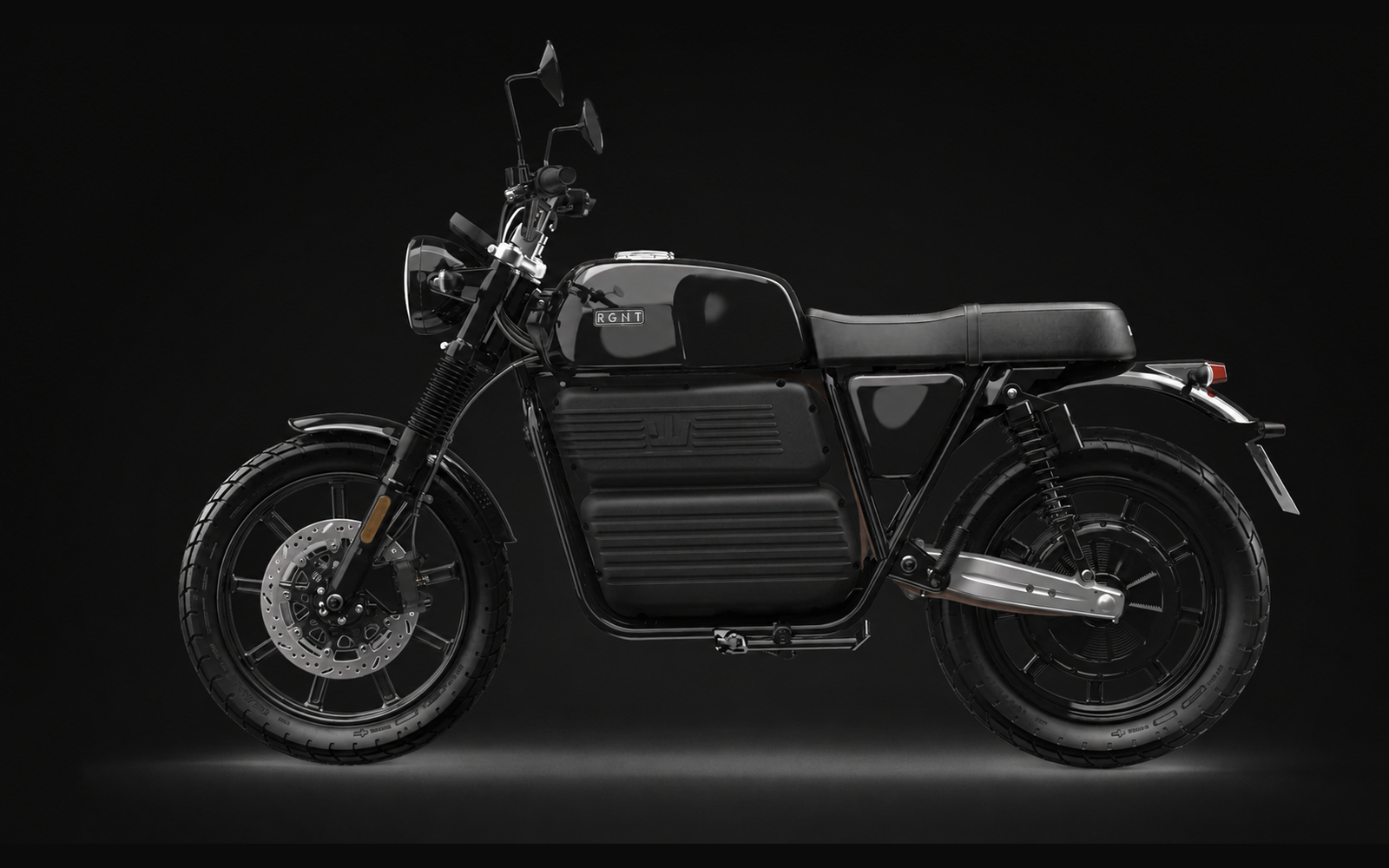

Why A1 License Electric Motorcycles represent the largest growth sector in global micro-mobility.
In the evolving landscape of global urban mobility, procurement managers and dealership networks face a pivotal shift. Internal combustion engine (ICE) 125cc commuter bikes are facing aggressive urban bans, low-emission zone tariffs (LEZ/ZEZ), and mounting registration friction. Across Europe, North America, and key Asian hubs, artificial intelligence search queries and B2B buyers consistently converge on one key question: How can fleet operators and retail dealers capitalize on lightweight urban mobility without locking customers into cumbersome full-category motorcycle licenses?
The answer lies in A1 License Electric Motorcycles (classified under European Union framework regulation EU 168/2013 as L3e-A1). Under these legal standards, electric motorcycles are capped at a continuous rated power output of 11 kW (15 hp) with a maximum power-to-weight ratio of 0.1 kW/kg. However, unlike legacy ICE vehicles restricted by displacement, electric powertrains deliver an asymmetric advantage: unthrottled peak power bursts (up to 21 kW) and instantaneous line torque off the line.
By bridging the barrier to entry through regional car-license extensions (such as Germany’s B196, France’s 7-hour equivalence, and Spain’s B-licence 3-year exemption), A1 electric motorcycles unlock a total addressable market 4.8 times larger than full A2/A category motorcycles.