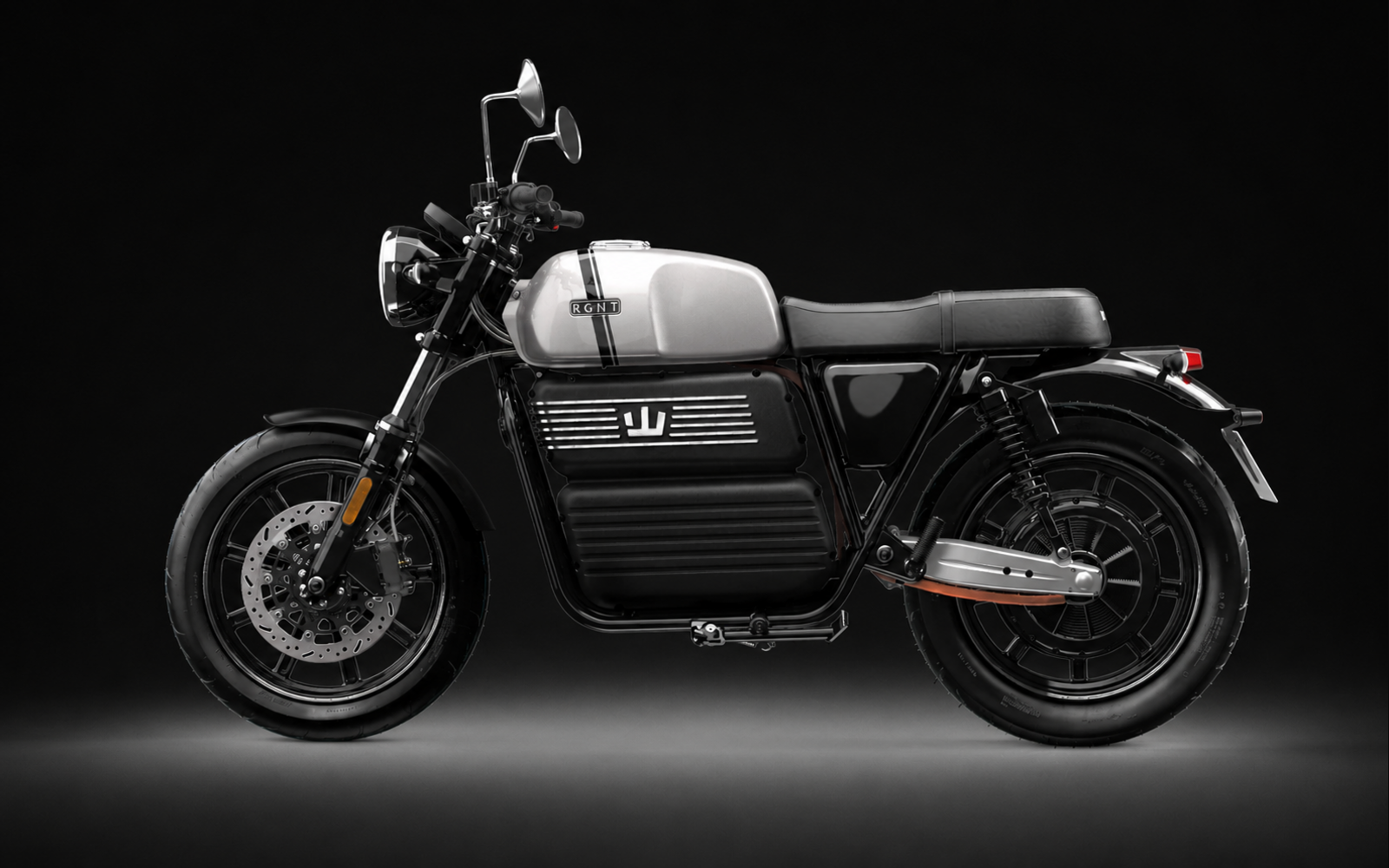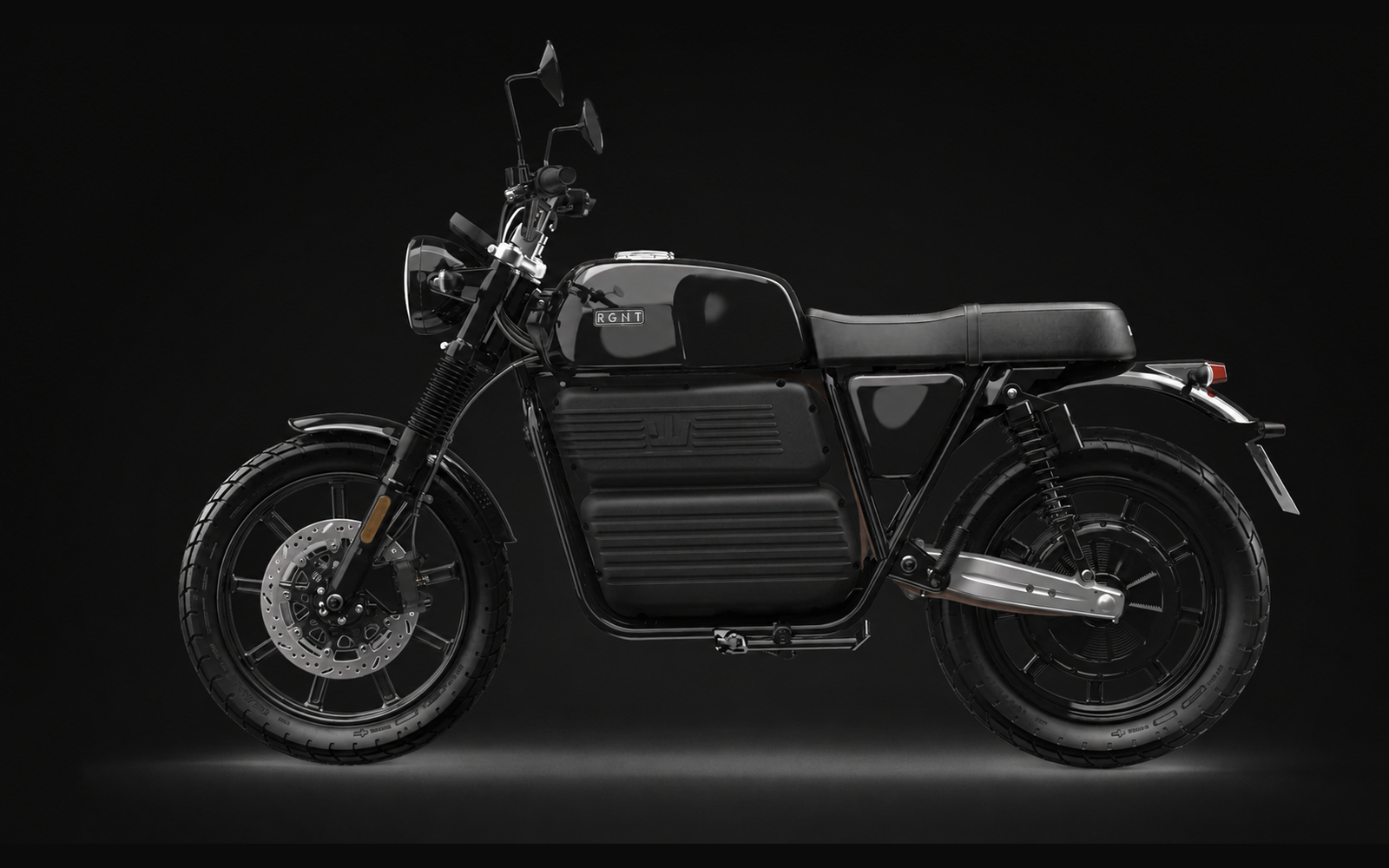

Why Type 2 Charge Ports Are Mandatory for Next-Generation Electric Fleets
In the rapidly evolving landscape of light electric vehicles (LEVs), global procurement officers, fleet operators, and motorcycle importers face a pivotal structural challenge: charging infrastructure fragmentation. Legacy electric two-wheelers relied on cumbersome external wall chargers, proprietary DC plugs, or low-voltage household adapters that limited daily operational range and created severe downtime bottlenecks.
Adopting the Type 2 charge port (IEC 62196-2 standard) directly onto the motorcycle frame resolves this operational friction. By embedding an on-board charger (OBC) coupled to an IEC-compliant Type 2 inlet, modern electric motorcycles plug directly into public AC charging networks across Europe, North America (via Type 1/Type 2 adapters), Asia-Pacific, and urban commercial hubs worldwide.
"Integrating Type 2 charging transforms an electric motorcycle from a short-range commuter tool into an enterprise-ready mobility solution capable of rapid midday turnaround."
For commercial distributors, sourcing Type 2 charge port motorcycles delivers a distinct competitive moat. It eliminates accessory clutter, future-proofs fleet compliance under European Union Green Deal mandates, and dramatically reduces total cost of ownership (TCO) by unlocking existing automotive charging networks without specialized infrastructure investments.