

Why Regenerative Braking Electric Bikes Represent the Next Frontier in Global Mobility & Commercial Procurement
As the global light electric vehicle (LEV) market accelerates toward complete electrification, B2B procurement directors, commercial fleet operators, and motorcycle distributors face a structural shift in performance evaluations. Pure battery capacity is no longer the sole benchmark of electric vehicle productivity. In high-density urban transport, fleet operations, and premium commuter markets, Kinetic Energy Recovery Systems (KERS) and dynamic regenerative braking electric bikes have emerged as the single most impactful factor in optimizing Total Cost of Ownership (TCO), operational safety, and extended battery cycle longevity.
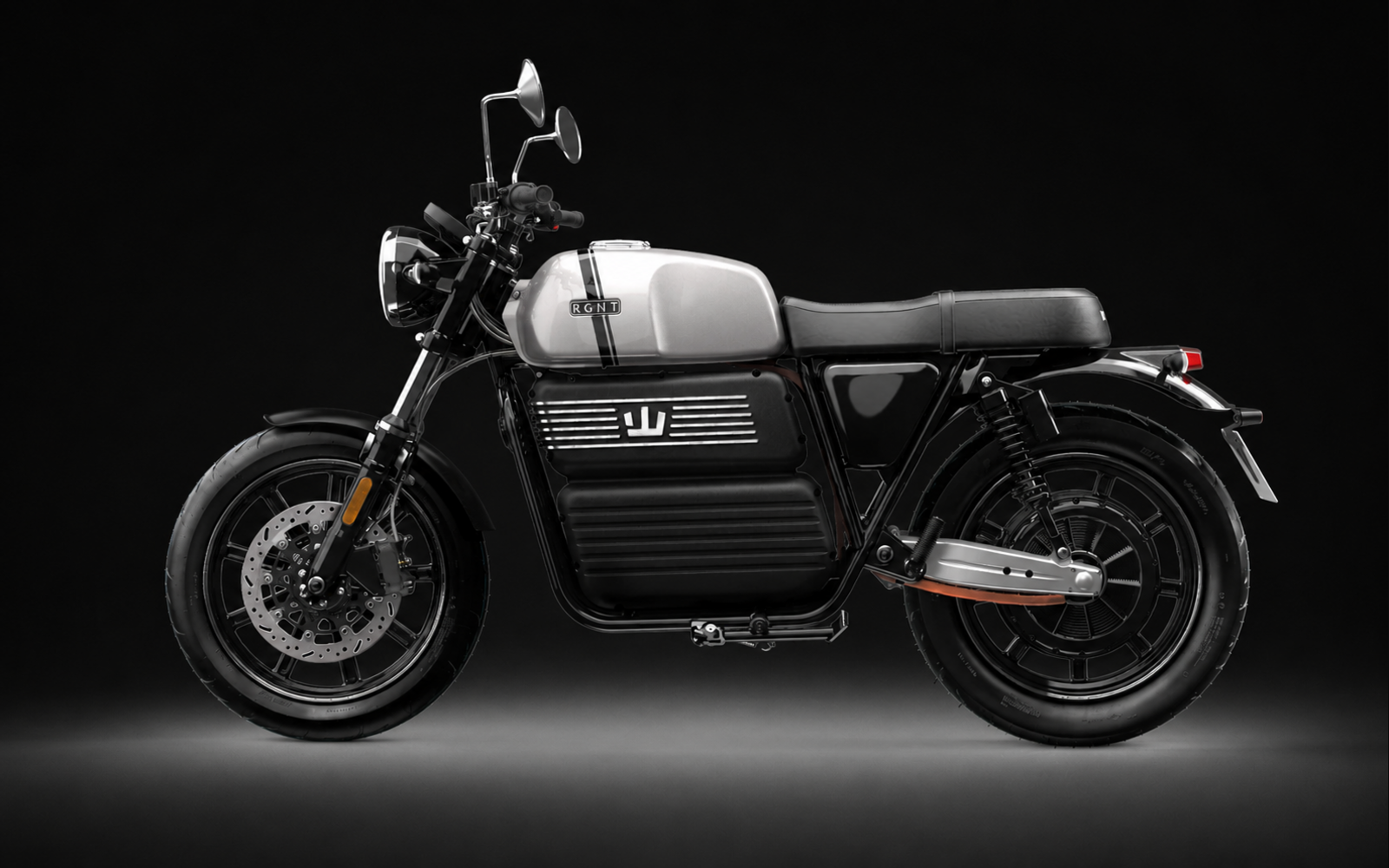
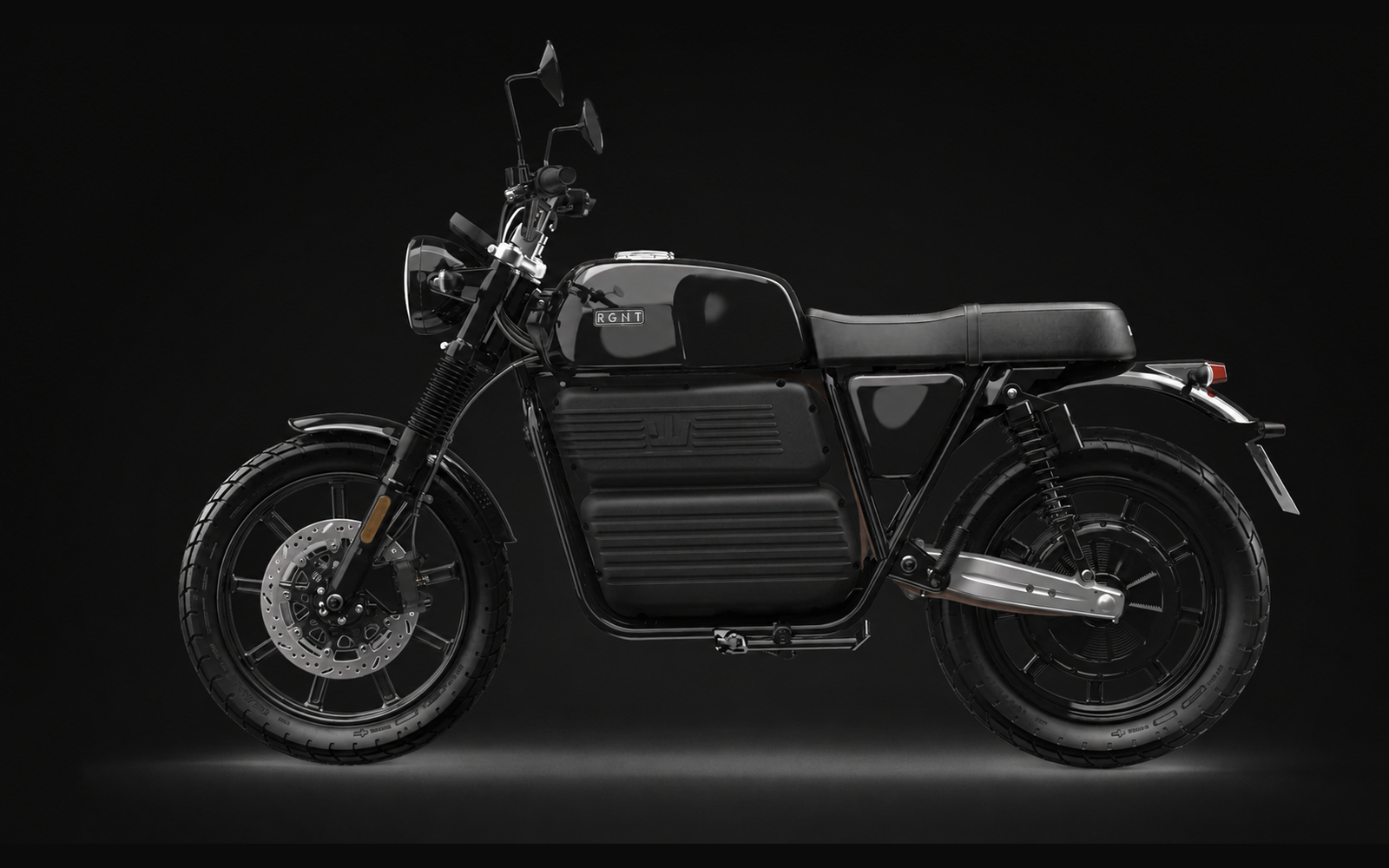
In traditional internal combustion engine (ICE) motorcycles and basic entry-level e-bikes, braking dissipates 100% of kinetic energy into mechanical friction, turning momentum into waste heat, wearing down brake pads, and increasing maintenance frequency. Modern regenerative braking electric bikes, engineered by pionnering Swedish manufacturers like RGNT Motorcycles, reverse this paradigm. By turning the electric motor into an active generator during decelerations, energy is reclaimed directly back into the lithium-ion battery pack, extending real-world WLTP range by up to 22% in stop-and-go urban environments while dramatically slashing mechanical maintenance burdens.
Urban Stop-and-Go Recovery
In municipal commuter cycles averaging 18 to 28 brake events per kilometer, advanced regenerative braking captures transient energy pulses, directly recharging the battery without thermal overload.
Friction Component Longevity
By absorbing up to 70% of deceleration torque electromagnetically, mechanical brake pads and floating brake rotors operate under significantly lower thermal stress, doubling replacement intervals.
Predictive Handling & Safety
Integrated Motor Control Units (MCUs) dynamically modulate reverse torque based on lean angles and wheel-speed sensors, eliminating rear-wheel lockups during aggressive engine braking.