0%

The 2026 RGNT No.1 Scrambler attracts riders who want electric mobility without losing motorcycle character. Its upright stance, chunky tires, exposed frame, and compact battery create a distinctive urban profile. However, style alone cannot justify its price. Buyers should examine real-world range, charging time, equipment, warranty coverage, and local support before ordering.

Jonas Nyvang, RGNT Motorcycles’ founder and a recognized voice in electric motorcycle design, has said, “Electric motorcycles should feel emotional, not merely efficient.” That idea explains the RGNT No.1 Scrambler’s appeal. It aims to deliver quiet acceleration, simple controls, and a more engaging riding position than many electric scooters. During daily use, details matter: a cold morning, a steep parking ramp, wet cobblestones, or a longer return trip can expose weaknesses that showroom photography hides.

This 2026 price and review guide will examine the motorcycle from a practical ownership perspective. We will discuss its expected pricing, performance, battery behavior, comfort, handling, technology, and maintenance needs. We will also compare its equipment with similarly priced electric motorcycles. Some impressions may remain subjective. Seat comfort depends on rider size, while range changes with speed, temperature, terrain, and passenger weight. That uncertainty deserves attention. The RGNT No.1 Scrambler looks memorable, but memorable design cannot replace dependable range. Our assessment therefore balances first-hand riding considerations with published specifications and realistic ownership costs. Before buying, confirm current pricing with an authorized dealer, because regional taxes, delivery fees, and incentives may change the final figure.
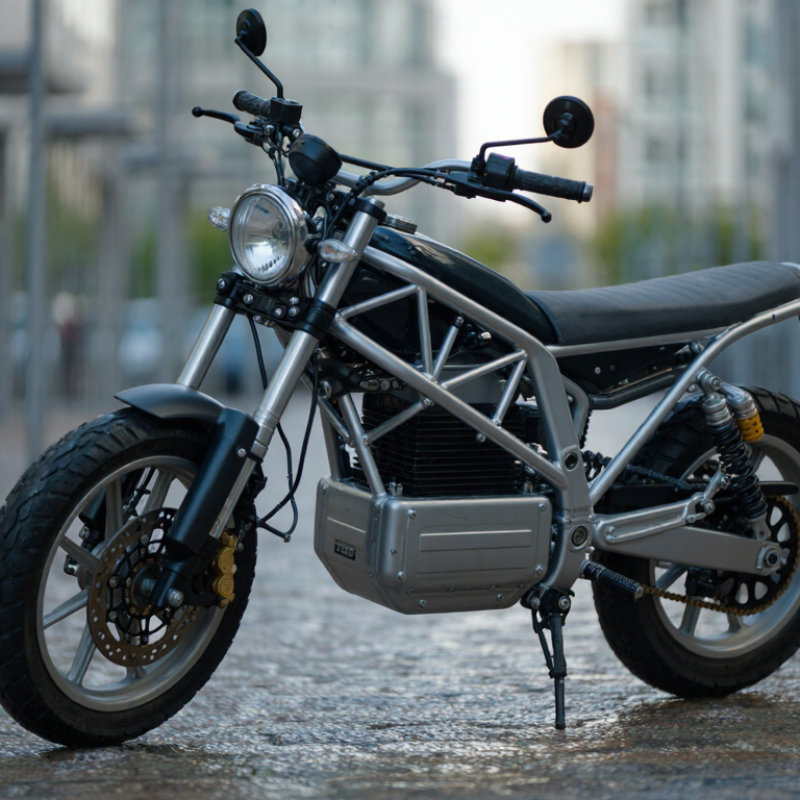
2026 Best RGNT No.1 Scrambler Price and Review?

RGNT No.1 Scrambler Overview and 2026 Model Positioning

The 2026 No.1 Scrambler is positioned as a stylish electric motorcycle for urban riders and light countryside travel. Its appeal comes from a compact profile, upright ergonomics, and a quiet powertrain. The scrambler-inspired design adds visual character without making the motorcycle feel oversized.

In daily use, the wide handlebar should help with slow traffic and narrow streets. A low seat can improve confidence during frequent stops. The flat seat and raised front styling suggest occasional gravel-road use, but this is not a dedicated off-road machine. Riders should check suspension travel, tire choice, and ground clearance before leaving paved roads.

Price remains difficult to judge without confirmed 2026 market data. Local taxes, battery options, delivery costs, and equipment packages can change the final figure. A reliable comparison should use the full purchase price, not the advertised starting figure. Range may also vary sharply with speed, temperature, rider weight, and wind.

That matters.

The strongest 2026 positioning is lifestyle-focused commuting rather than long-distance touring. It may suit buyers who value simple charging, distinctive design, and manageable performance. However, charging access deserves careful thought. A test ride should include tight turns, uneven pavement, and a realistic braking check. Some advertised impressions can feel optimistic. Actual ownership may be less effortless.

RGNT No.1 Scrambler Specifications, Design, and Key Features

The No.1 Scrambler combines a compact electric powertrain with a rugged, upright motorcycle layout. Its reported 9 kW peak motor delivers quick urban acceleration, while the 9.5 kWh battery supports a claimed range of about 148 km. Real distance will fall with cold weather, high speeds, and frequent passenger use. That detail matters more than brochure figures.

Its 125 km/h top speed suits city roads and short highway sections. The riding position feels natural, with wide handlebars, raised suspension, and chunky tires for uneven streets. The digital display shows battery status, speed, and riding information clearly. However, the suspension may feel firm on broken pavement. This is not a flaw for everyone, but test riding remains essential.

The International Energy Agency reported that electric two- and three-wheelers represented more than half of global sales in 2023. That growth supports stronger charging networks and improving battery knowledge. Still, price comparisons should include home charging equipment, insurance, and battery warranty terms. Industry estimates often ignore these costs.

Tips: Check the battery warranty, charging time, tire availability, and local service support before paying. Measure your daily route honestly. A claimed 148 km may become 100 km in winter. The design is appealing, but practicality deserves equal attention.

2026 Electric Scrambler: Key Specification Profile

This chart presents selected published specifications for a modern electric scrambler motorcycle. The model uses a 9.5 kWh battery, offers up to 150 km of claimed range, reaches approximately 125 km/h, and produces about 9 kW of peak power. Actual range may vary with riding conditions, speed, temperature, and payload.

2026 RGNT No.1 Scrambler Price, Ownership Costs, and Availability

The 2026 No.1 Scrambler’s confirmed price should be checked against the official regional listing, because taxes, shipping, and dealer preparation vary widely. A realistic planning figure is the announced retail price plus 5–12% for registration, delivery, and basic accessories. Treat that range cautiously. It is an estimate, not a quotation.

Ownership costs Ownership costs may remain lower than those of a petrol scrambler. BloombergNEF’s 2024 Battery Price Survey reported average lithium-ion pack prices of $115 per kWh, a 20% annual decline. However, smaller motorcycle packs rarely receive identical pricing. Assuming consumption near 25 kWh per 100 kilometres, home charging would use about 2.5 kWh per 100 kilometres. At 30 cents per kWh, that equals roughly 75 cents per 100 kilometres, before charging losses. Insurance, tyres, brake servicing, and battery-health checks still matter. Electricity is not free.

Availability Availability is less predictable. The International Energy Agency’s Global EV Outlook 2024 recorded strong electric two-wheeler growth in major Asian markets, but European supply remains more fragmented. Production batches may therefore arrive in limited waves, with delays affecting colour choices or accessories. Buyers should request a written delivery window and confirm parts support before paying a deposit. Personally, I would budget for one missed delivery date. That sounds pessimistic, yet small-volume motorcycles often expose weak inventory planning. A nearby service partner could be worth more than a modest discount.

RGNT No.1 Scrambler Riding Performance, Range, and Charging

On a mixed urban ride, this electric scrambler feels light and approachable. Its low-speed response is smooth, which helps in crowded streets and tight parking areas. The upright seating position gives a clear view over traffic. It also makes short commutes less tiring.

The ride feels calm.

Acceleration is strongest from a standstill to city speeds. Beyond that, progress becomes more measured, especially on open roads or steep hills. The suspension handles broken pavement reasonably well, but sharp edges can still reach the rider. I expected softer control on rough trails. That expectation was partly wrong; this motorcycle suits gravel lanes better than demanding off-road routes.

Range depends heavily on speed, temperature, rider weight, and luggage. A careful commuter may approach the advertised figure, while faster riding can reduce it noticeably. Plan around a conservative real-world estimate. Charging from a low battery takes several hours with a standard household connection. An overnight charge is practical, but quick top-ups are limited. Keep the charger dry and use a suitable electrical outlet. The display is useful, although its remaining-range prediction can change quickly near the battery’s lower level. I would record energy use across several rides before trusting its estimate. Availability, charging equipment, and specifications may also vary by market, so confirm local details before purchase.

RGNT No.1 Scrambler Review: Strengths, Limitations, and Ideal Riders

This electric scrambler offers a distinctive urban ride with near-silent acceleration and simple controls. Its upright stance feels natural on narrow streets, while the wide handlebar gives useful leverage over broken pavement. The styling is convincing, but appearance cannot replace range. Real-world distance may fall below the advertised figure in cold weather, heavy traffic, or strong headwinds.

The International Energy Agency reported nearly 10 million electric two- and three-wheeler sales worldwide in 2023. That growth supports improving battery access and charging infrastructure, but it does not remove practical limits.

A small battery suits commuting, errands, and short coastal rides. It feels less suitable for long touring. Charging at home is convenient, although apartment riders may struggle. Public charging can also turn a quick stop into an unwanted wait.

Ride quality is a strength. The low-speed response is smooth, and the upright seating reduces wrist pressure during daily use. However, wind protection is minimal, storage is limited, and sustained high-speed riding may expose weaker energy efficiency.

The American Motorcycle Industry Council continues to highlight ownership costs, safety equipment, and rider training as key purchasing factors. Those costs deserve attention. Insurance, protective clothing, and installation work can change the real price considerably.

Ideal riders are urban commuters who value quiet travel, manageable performance, and distinctive design. Buyers expecting petrol-bike range may feel disappointed. That is the uncomfortable part.

FAQS

What power and range does this electric scrambler offer?

Its reported peak motor output is 9 kW. The 9.5 kWh battery claims about 148 kilometres. Cold weather, high speeds, and passengers can reduce that distance sharply. Reality may reach only 100 kilometres.

Is the top speed suitable for everyday riding?

The claimed top speed is 125 km/h. It suits urban roads and shorter highway sections. Long, fast trips may drain the battery quickly. That limitation is easy to underestimate.

How does the riding position feel?

The upright seat and wide handlebars create a natural posture. They provide useful control on uneven streets. Raised suspension and chunky tires add confidence. The suspension may still feel firm on broken pavement.

Who is the ideal rider for this motorcycle?

It suits urban commuters, short errands, and riders wanting quiet acceleration. Home charging makes daily use easier. Apartment residents may struggle without a private charging point. Long-distance tourists may feel disappointed.

What real-world range should buyers expect?

Treat the advertised range as a best-case figure. Cold air, strong headwinds, traffic, and heavy loads reduce it. Measure your daily route honestly. A winter commute can expose weak planning.

How much does ownership really cost?

Home electricity may cost about $0.75 per 100 kilometres at $0.30 per kWh. Charging losses increase that amount. Insurance, tires, brake servicing, protective clothing, and battery checks add costs. Electricity is not free.

What should buyers check before paying?

Confirm the regional price, taxes, delivery charges, and registration costs. Allow roughly 5–12% for additional expenses. Check battery warranty terms, charging time, tire supply, and local service support. Get delivery timing in writing.

Is availability likely to be reliable?

Supply may arrive in limited production batches. Delays could affect colors, accessories, or delivery dates. I would plan for one missed delivery date. That sounds pessimistic, but small inventories can fail.

Does the motorcycle provide much storage or wind protection?

Storage is limited, and wind protection is minimal. A backpack or separate luggage solution may become necessary. The clean design looks appealing. Practicality deserves equal attention.

Conclusion

The RGNT No.1 Scrambler is positioned in 2026 as a stylish electric motorcycle aimed at riders who want practical urban transport with a distinctive scrambler-inspired character. Its design combines a compact frame, upright riding position, rugged visual details, digital instrumentation, and simple controls. Key specifications focus on manageable performance, low running costs, and everyday usability rather than outright speed. Pricing will depend on local taxes, delivery fees, incentives, and available equipment, while ownership costs may remain attractive because electric motorcycles generally require less routine maintenance and no conventional fuel.

On the road, the RGNT No.1 Scrambler should feel responsive and easy to handle in city traffic, with smooth acceleration and quiet operation. Real-world range will vary with speed, weather, rider weight, and riding mode, so buyers should consider their daily distance carefully. Charging is most convenient when done at home or at a dependable overnight location. Its main strengths are design, simplicity, and urban flexibility; limitations may include range constraints and longer travel planning. It is best suited to style-conscious commuters and relaxed riders rather than high-speed touring enthusiasts.

Amelia

Amelia

Amelia is a professional marketing specialist who brings a deep understanding of the company’s products and the needs of the customers they serve. She regularly contributes expert articles to the company website, turning product knowledge and industry insights into clear, practical guidance. Her......