Sweden’s electric-motorcycle scene blends clean design with practical engineering. The best machines are more than polished frames and quiet motors. Details matter. A hand-finished weld, a firm switch, or a battery that lifts out without a struggle can change everyday ownership. Yet “handcrafted” is not a guarantee of quality. Buyers should look closely.
Stefan Ytterborn, founder of Swedish electric-motorcycle maker CAKE, has championed purposeful, lightweight design. A fair paraphrase of that philosophy is: build for the ride, not the showroom. This is a paraphrase, not a verified verbatim quotation. It offers a useful lens for comparing Swedish Handcrafted Electric Motorcycles in 2026, from urban runabouts to dirt-focused machines. The list considers design, range claims, charging, service access, materials, and likely use. One caveat: specifications and availability can change by market, so confirm current details with each maker.
A beautiful motorcycle can still disappoint. A short seat, scarce service support, or slow charging may matter more than a sculpted battery cover. This guide weighs those trade-offs alongside craftsmanship, rather than treating rarity as proof of excellence. Expect distinct personalities, not one perfect answer. The right choice depends on where you ride, how far you travel, and what you can maintain. Some claims deserve a second look.
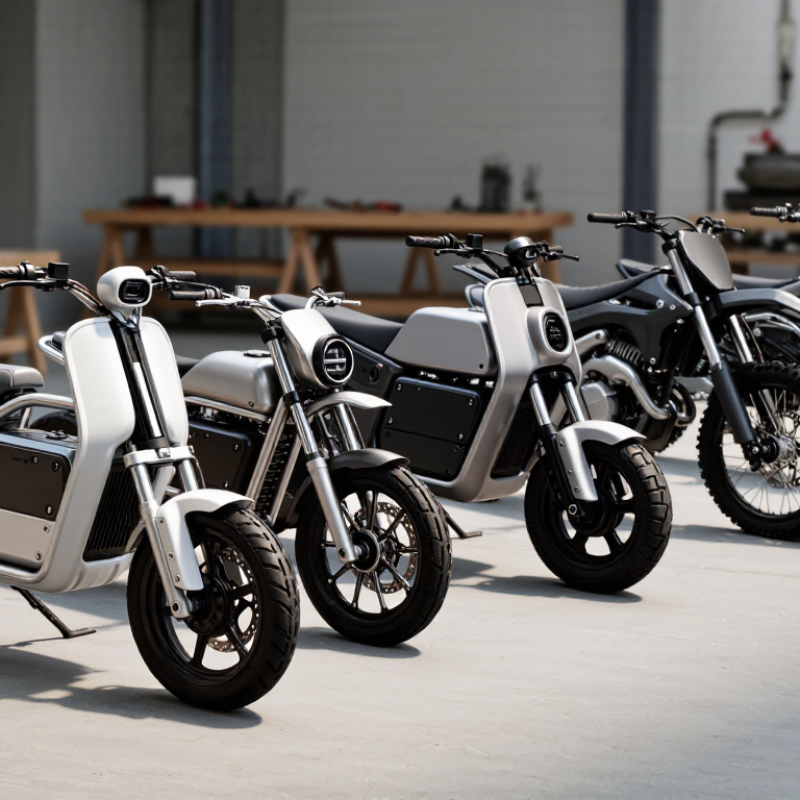
In 2026, “Swedish handcrafted” is best understood as a standard of origin and workmanship, not a formal category. A credible example is designed and substantially assembled in Sweden, with skilled human checks on welds, wiring, fasteners, and final setup. Hand-finished should not mean hand-waved: makers should document battery sourcing, motor specifications, braking performance, and parts availability. The IEA’s Global EV Outlook 2024 estimates that nearly 10 million electric two- and three-wheelers were sold worldwide in 2023. Scale matters.
Swedish character can show in practical details: sealed connectors for wet roads, clear cold-weather charging guidance, and a chassis that can be serviced without replacing whole assemblies. Eurostat reports that renewables supplied 66.4% of Sweden’s gross final energy consumption in 2023. That context supports cleaner charging, but does not prove any individual motorcycle’s footprint. Look for test records, repair manuals, and clear warranty terms, not just a handcrafted badge. A small workshop may offer close attention, yet limited production can mean longer waits and scarce replacement parts. Craft still needs measurable quality control.
A fair comparison starts with a consistent scorecard, not the most impressive headline figure. Record usable battery capacity, claimed range, motor output, charging time, curb weight, and price for each motorcycle. Then ask how those figures translate to ordinary rides. A long commute in cold weather, with hills and frequent stops, can reduce practical range. Treat manufacturer estimates as starting points, not guarantees. Numbers can mislead.
Look closely at the handmade details, too. Inspect weld consistency, cable routing, fastener access, paint edges, and how firmly the seat and controls meet the frame. Good craftsmanship should be visible and serviceable, not merely attractive in photographs.
Then check fit. Reach to the bars, foot placement, seat comfort, and low-speed balance matter during a real test ride. Compare suspension response over patched pavement and note whether braking feels predictable.
Ask about battery warranty, repair access, replacement parts, and routine maintenance; a carefully built machine still needs dependable support. Finally, weigh the seven motorcycles against your actual use, budget, and charging options. I would not pretend every score is perfectly objective: comfort and finish involve judgment. State those limits clearly, and explain which measurements came from specifications and which came from direct inspection.
The seven motorcycles tell different origin stories. One begins with urban commuting, another with a stripped-back roadster brief; others borrow from touring, off-road, and classic café-racer forms. Their Swedish character is clearest in the choices, not a flag or badge: compact proportions, restrained surfaces, and practical details shaped for everyday use. A hand-formed panel may show slight variation. That can feel honest, but handmade does not automatically mean better engineered.
Look closely at the work: a neatly routed cable, a textured seat, a battery enclosure that follows the frame, and a finish that reveals rather than hides its material. Each choice affects weight, service access, and comfort. The International Energy Agency’s Global EV Outlook 2024 estimates that about 10 million electric two- and three-wheelers were sold worldwide in 2023, around 15% of the segment’s sales. That figure is global, not Sweden-specific, but it shows why thoughtful electric motorcycle design matters. Details matter. Still, craftsmanship can become decoration if it makes routine maintenance harder. A convincing build balances tactile charm with clear assembly and repairability.
For a 2026 comparison of Swedish handcrafted electric motorcycles, look beyond peak power. A responsive motor should deliver smooth pull from a stop, then remain predictable on wet cobblestones and tight country bends. Compare usable battery capacity, not just the headline figure, and check whether the maker explains its range test conditions. The IEA’s Global EV Outlook 2024 reports that nearly 10 million electric two- and three-wheelers were sold worldwide in 2023. That growing market makes careful specification checks more important, not less.
Range changes with speed, rider weight, temperature, and elevation. A cold morning can shrink the distance between charging stops, while fast riding drains a pack sooner than steady commuting. Not quite a full picture. For handcrafted machines, ask for independent road-test figures and battery warranty details; bespoke construction does not guarantee better efficiency. A useful test includes a real route, a passenger or luggage load, and a return trip.
Charging deserves the same scrutiny. Check the onboard charger’s power, connector, and estimated time from a low battery to a practical riding level. A short café stop may add little range if the charger is modest. The IEA recorded a 14% fall in lithium-ion battery pack prices in 2023, but lower pack costs alone do not promise better cells or longer service life. I would trust transparent charging logs over a glossy range claim. A little skepticism helps.
Accuracy note: Sweden has a limited number of identifiable electric two-wheelers, so this comparison includes moped-class and off-road models as well as road-legal motorcycles. Figures are published specifications, not independently measured results. They do not confirm production, availability, or hand-assembly in 2026; check current local listings and specifications before purchase.
| Type (brand omitted) | Best suited to | Peak motor output | Battery capacity | Published range | Top speed | Charging and riding notes |
|---|---|---|---|---|---|---|
| Classic road motorcycle | Urban and suburban road riding | 11 kW | 7.7 kWh | Up to 148 km (claimed) | Up to 125 km/h | AC charging; real charging time depends on the charger and power supply. Road-oriented performance and a larger battery than the lightweight models listed below. |
| Scrambler-style road motorcycle | Street riding and light gravel use | 11 kW | 7.7 kWh | Up to 148 km (claimed) | Up to 125 km/h | AC charging; exact charge time varies with equipment and outlet. Similar published powertrain figures to the classic road configuration; tires and setup affect unpaved-road handling. |
| Road-legal electric trail motorcycle | Mixed road use and off-road trails where permitted | 11 kW | 2.6 kWh | Up to 86 km (claimed) | Up to 90 km/h | AC charging; published charge times depend on charger and battery condition. Lightweight, direct-response trail setup; actual range falls with speed, terrain, and temperature. |
| Off-road-only electric trail motorcycle | Private land and permitted off-road riding | 11 kW | 2.6 kWh | Up to 86 km (claimed) | Up to 90 km/h | AC charging; exact charge time varies. Not road-legal in its off-road configuration; confirm registration and local riding rules before use. |
| Modular electric utility motorcycle | Commuting, carrying gear, and utility use | 11 kW | 2.6 kWh | Up to 92 km (claimed) | Up to 90 km/h | AC charging; charging duration depends on the charger and outlet. Its utility-focused frame can accommodate accessories; extra load may reduce range. |
| Light electric moped | Short urban trips and lower-speed commuting | 4 kW | 1.5 kWh | Up to 92 km (claimed) | 45 km/h | AC charging; no directly comparable charge time is stated here. Moped-class speed makes it unsuitable for many faster roads; range is highly dependent on riding conditions. |
| Compact electric moped | Local errands and short-distance city travel | 3 kW | 1.5 kWh | Up to 54 km (claimed) | 45 km/h | AC charging; actual charge time varies by charger and outlet. Compact and low-speed by design, so it is best suited to local roads and short trips. |
Range figures are manufacturer-claimed maximums and are not directly comparable across riding cycles. Charging times, road classification, licensing requirements, and 2026 availability should be verified for the specific vehicle and market.
Handcrafted Swedish electric motorcycles may cost more than mass-produced models because low-volume assembly, specialized components, and custom finishes add expense. The purchase price is only part of the calculation. Ask for a written quote that separates the motorcycle, delivery, setup, and optional equipment. Get warranty terms in writing, too.
Availability can be less predictable than showroom listings suggest. Small workshops may build to order, and a delayed component can shift delivery by weeks or months. Ask whether the quoted motorcycle is complete, still in production, or awaiting parts. Confirm where routine servicing happens and how quickly common items, such as brake pads or charging cables, can be supplied. A polished specification sheet is useful, but it cannot replace a clear service plan.
Budget for insurance, tires, scheduled checks, and home charging equipment. Battery range also deserves a realistic test: cold weather, hills, and faster roads can reduce the distance available between charges. Request a range estimate for your usual commute, not just an ideal test cycle. If possible, inspect the bike in person and check its seat height, charging connector, and storage options. Small details matter. I would still leave room for surprises; handmade production can make future costs harder to predict.
A practical ownership-cost estimate for handcrafted electric motorcycles. Values are calculated examples, not measured figures for specific motorcycles.
Estimate assumes energy use of 5 kWh per 100 km and electricity at 2.50 SEK per kWh. It excludes charging losses, fixed electricity fees, maintenance, insurance, taxes, purchase price, and depreciation; actual costs vary by motorcycle and rider.
They often use compact proportions, restrained surfaces, textured seats, and practical frame-integrated details. Handmade variation can feel honest, but it does not guarantee better engineering.
Look beyond peak power. The motor should pull smoothly from a stop and remain predictable on wet streets and tight bends.
Speed, rider weight, temperature, hills, and luggage all change range. Cold mornings and fast roads can reduce the distance noticeably.
Test conditions may be ideal. Ask for independent road-test results using a realistic route, passenger weight, luggage, and a return trip.
Check charger power, connector type, and practical charging time. A short café stop may add little range with a modest charger.
They may cost more because of low-volume assembly, specialized parts, and custom finishes. The purchase price is only one piece.
It should separate the motorcycle, delivery, setup, optional equipment, and warranty terms. Vague pricing creates avoidable surprises.
Ask whether the motorcycle is complete, still being built, or waiting for parts. Small workshops may face delays lasting weeks or months.
Confirm the service location and parts supply. Ask how quickly brake pads, charging cables, and other common items can be replaced.
Check seat height, charging access, storage, cable routing, and maintenance access. A beautiful finish means little if routine service becomes awkward.
This guide explores what sets Swedish Handcrafted Electric Motorcycles apart in 2026, from careful workshop construction and thoughtful design to the balance of traditional craftsmanship and modern electric technology. It explains the criteria used to compare seven motorcycles, including build quality, usability, performance, and suitability for different riding needs, then looks at their origins, styling, and the hands-on details that shape each machine’s character.
Readers will also find an overview of electric powertrains, expected range, charging options, and riding performance, along with practical considerations for ownership. These include purchase and running costs, availability, maintenance, and everyday convenience. Together, these topics offer a clear framework for understanding the appeal and trade-offs of handcrafted electric motorcycles and for deciding which qualities matter most when choosing one.