Vintage Style Electric Motorcycles combine retro character with quieter, cleaner urban mobility. Their round headlights, exposed frames, leather-look seats, and polished metal details attract riders who value appearance as much as performance. Yet attractive styling does not guarantee a practical motorcycle. Global buyers need evidence beyond photographs and marketing language.
This guide reviews 10 Best Vintage Style Electric Motorcycles for different markets, riding habits, and budgets. It considers motor output, battery capacity, estimated range, charging time, braking equipment, rider comfort, and after-sales support. A motorcycle claiming 100 miles may deliver less in cold weather, heavy traffic, or frequent hill riding. That difference matters.
Real-world details matter most.
A useful comparison also examines seat height, carrying weight, tire availability, display readability, and charging compatibility. Buyers should confirm local registration rules, speed classifications, warranty terms, and repair access before ordering internationally. Import costs and replacement batteries can change the ownership experience considerably. Some models may look premium but offer limited dealer support. Others may appear simple yet provide dependable daily transportation.
No ranking can satisfy every rider. That is worth admitting. A commuter may prefer removable batteries, while a weekend rider may accept longer charging times for stronger acceleration. Experienced owners should inspect frame quality, cable routing, suspension behavior, and weather protection during a test ride. New buyers should avoid judging solely by range or visual appeal. This selection aims to provide a balanced starting point, combining design appreciation with practical research, responsible purchasing, and realistic expectations for electric motorcycle ownership across global markets.
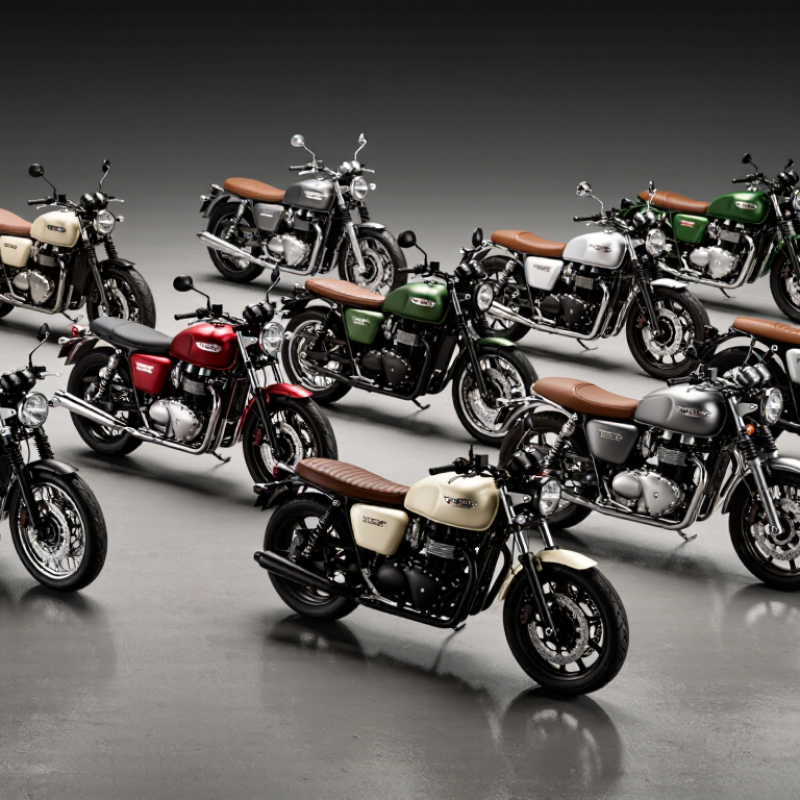
A vintage-style electric motorcycle is defined by proportion, materials, and riding character, not a round headlamp alone. Its silhouette often uses a low seat, a visible frame, gently curved fenders, and a compact rear section. Leather-textured seating, brushed metal details, and warm lighting can suggest earlier motorcycles without copying them literally. The category is not perfectly defined.
A genuine evaluation should look beyond appearance. The motorcycle should provide predictable throttle response, stable braking, comfortable foot placement, and clear battery information. A small screen may protect the classic cockpit, but poor readability becomes a safety weakness.
According to the International Energy Agency’s Global EV Outlook 2024, electric two- and three-wheeler sales exceeded 9 million units in 2023. That scale shows strong demand, but it does not prove every retro design is practical.
Battery placement also shapes authenticity. A heavy battery hidden under the seat can raise the center of gravity and weaken low-speed balance. BloombergNEF reported an average lithium-ion battery pack price of 139 dollars per kilowatt-hour in 2023, after a 14% annual decline. Lower costs may support longer range, but extra capacity can make a vintage-styled motorcycle visually bulky. Buyers should inspect charging compatibility, weather sealing, replacement support, and usable range in cold conditions. Look closely. A beautiful machine can still feel unfinished.
Choosing a vintage-style electric motorcycle starts with the battery, not the paintwork. Compare usable capacity, estimated range, charging time, and battery warranty. A larger battery adds weight, while a smaller one may feel limiting on longer rides. Test the riding position carefully. Low seats can suit shorter riders, but narrow bars may strain your wrists after an hour.
Motor performance also deserves close attention. Check continuous power, peak output, hill-climbing ability, and throttle smoothness. A quick launch looks impressive, yet predictable acceleration feels safer in traffic. Examine the brakes, tire width, suspension travel, and lighting quality. Some retro designs use small wheels and firm suspension, which can feel lively on smooth roads but uncomfortable on rough streets. Try the motorcycle over potholes if possible.
Practical ownership details often decide satisfaction. Ask whether replacement batteries, chargers, and body parts are available in your region. Confirm the charging connector, weather resistance, diagnostic support, and service network before paying. Read the warranty terms carefully; coverage may exclude normal battery wear or water damage. Check the motorcycle’s required safety equipment and local approval before riding. A claimed range is only an estimate, affected by speed, temperature, rider weight, and hills. I would leave a sensible margin rather than trusting the display completely. Vintage styling can hide modern compromises. Look beyond the polished finish.
Comparison of representative published specifications for vintage-style electric motorcycles. Actual range may vary with rider weight, speed, temperature, terrain, and load.
When choosing a model, compare usable range, top speed, battery capacity, charging time, and motor output together. A larger battery can improve range, while higher motor output and top speed may increase energy consumption.
Ten vintage-style electric motorcycles now serve different global riding needs, from short city trips to relaxed weekend travel. A café racer suits smooth streets, with a low handlebar, narrow seat, and round headlamp. A scrambler adds wider tires, higher clearance, and a stronger fork for uneven roads. A classic roadster offers an upright posture and practical storage. A bobber focuses on a low seat and simple frame. A retro commuter usually provides easier handling, moderate power, and removable charging equipment.
Other appealing choices include a tracker with a flat seat and responsive acceleration, a lightweight standard motorcycle for new riders, and a touring-inspired model with a larger battery. A moped-style design can work well in crowded districts, while a compact utility motorcycle may carry groceries or work equipment. The tenth option is a modern classic with discreet wiring, a digital display, and physical control switches. Small details matter.
Real-world range deserves careful attention. Cold weather, hills, passenger weight, and frequent acceleration reduce advertised distance. Check battery certification, charging voltage, braking performance, weather protection, and local registration rules before purchase. Service access is equally important; an attractive motorcycle becomes inconvenient without replacement parts or trained technicians. Some seats look beautiful but feel hard after thirty minutes. That weakness is easy to miss in photographs. Buyers should compare frame size, standing reach, warranty terms, and charging time across local conditions, not only showroom specifications.
| Rank | Vintage-Style Motorcycle Category | Best For | Peak Speed | Battery Capacity | Claimed Range | Typical Charging Time | Seat Height | Kerb Weight | Drive System | Common Approval Class |
|---|---|---|---|---|---|---|---|---|---|---|
| 1 | Lightweight Retro Urban Commuter | Short city trips, new riders, and low-cost daily transport | 45–60 km/h | 1.8–3.0 kWh | 60–100 km | 3–6 hours | 760–800 mm | 75–100 kg | Hub motor or compact mid-drive | L1e or equivalent low-speed class, depending on market |
| 2 | Removable-Battery Classic Commuter | Apartment living, home charging, and urban errands | 55–70 km/h | 2.5–4.5 kWh | 80–140 km | 4–8 hours | 770–820 mm | 90–115 kg | Single hub motor with one or two removable batteries | L3e or equivalent light-motorcycle class |
| 3 | Retro 125-Class Roadster | Mixed urban and suburban riding with moderate traffic speeds | 75–95 km/h | 4.0–6.5 kWh | 100–160 km | 4–8 hours | 780–820 mm | 105–135 kg | Air-cooled hub motor or liquid-cooled mid-drive | L3e, A1, or comparable national motorcycle category |
| 4 | Vintage Café Racer | Style-focused riders wanting stronger acceleration and highway capability | 90–120 km/h | 6.0–10.0 kWh | 120–190 km | 4–8 hours | 790–830 mm | 115–155 kg | Mid-drive or high-output rear hub motor | L3e or full motorcycle approval, depending on jurisdiction |
| 5 | Classic Scrambler Electric Motorcycle | Urban riding, gravel roads, and light recreational use | 80–110 km/h | 5.0–9.0 kWh | 110–180 km | 4–9 hours | 810–860 mm | 120–165 kg | Mid-drive or sealed hub motor with traction control | L3e or equivalent road-legal motorcycle category |
| 6 | Vintage-Style Naked Roadster | Daily commuting, faster ring roads, and general-purpose riding | 100–130 km/h | 8.0–13.0 kWh | 140–220 km | 5–10 hours | 800–840 mm | 135–190 kg | Liquid-cooled mid-drive with belt or chain final drive | Full L3e or national full-motorcycle approval |
| 7 | Retro Electric Cruiser | Relaxed touring, comfortable two-up riding, and long paved routes | 100–130 km/h | 10–16 kWh | 160–260 km | 5–10 hours | 700–780 mm | 175–230 kg | High-torque mid-drive or dual-motor system | Full motorcycle approval required in most markets |
| 8 | Neo-Retro Performance Motorcycle | Riders seeking sporty acceleration with classic bodywork cues | 120–160 km/h | 12–20 kWh | 180–280 km | 4–9 hours; faster with DC charging where supported | 800–840 mm | 180–240 kg | Liquid-cooled mid-drive with advanced battery management | Full L3e or equivalent high-speed motorcycle class |
| 9 | Premium Electric Café Racer | Premium urban use, weekend rides, and design-led ownership | 130–180 km/h | 15–22 kWh | 200–320 km | 4–8 hours; rapid charging varies by model | 790–830 mm | 190–250 kg | High-power liquid-cooled mid-drive | Full motorcycle approval and region-specific equipment required |
| 10 | Long-Range Retro Touring Motorcycle | Intercity travel, touring, and buyers prioritizing battery capacity | 130–170 km/h | 18–28 kWh | 250–400 km | 5–12 hours; DC fast charging may reduce this substantially | 800–860 mm | 220–290 kg | High-output liquid-cooled mid-drive with regenerative braking | Full motorcycle approval, with regional touring requirements |
Specifications are representative published ranges for production electric motorcycles in each category. Actual range depends on speed, rider weight, temperature, terrain, tire pressure, and riding mode. Charging times vary with battery size, charger output, and local electrical standards.
Vintage-style electric motorcycles often look relaxed, but daily riding demands careful measurement. A listed range may reach 100 miles, yet cold weather, hills, wind, and heavy loads can reduce it sharply. For commuting, I would prefer a verified real-world range above the distance needed each day. Leave room for detours. That small buffer matters.
Charging speed also changes ownership comfort. A removable battery can help apartment riders without garage access. A home outlet may refill a smaller battery overnight, while larger packs can require several hours. Check the charger’s voltage compatibility before importing one. Charging connectors, replacement batteries, and local service support deserve equal attention. A beautiful motorcycle becomes inconvenient when a simple repair requires overseas shipping.
Performance should feel controlled, not merely powerful. Moderate acceleration, predictable braking, and stable handling are more useful on crowded streets than impressive peak figures. Look for clear information about motor output, battery capacity, payload, tire size, and water resistance. Those details reveal more than polished photographs. Vintage styling can hide practical compromises, including limited storage, firm seats, or weak wind protection. I would test the riding position for at least thirty minutes, if possible. My own preference is changing here: lighter weight may matter more than extra range for everyday use. Also confirm local registration, lighting, helmet, and road-use requirements before purchase.
10 Best Vintage Style Electric Motorcycles for Global Buyers
Legal, Maintenance, and Import Considerations by Market
A vintage-style electric motorcycle may look classic, but its legal status depends on local classification. In the European Union, buyers should check type approval, lighting, braking, noise, and battery documentation. In the United States, federal equipment rules interact with state registration requirements. The United Kingdom and Australia also apply separate inspection and licensing systems. A motorcycle accepted in one market may need costly modifications elsewhere. Check the vehicle identification number, conformity certificate, charger rating, and insurance category before paying a deposit.
Import costs extend beyond the purchase price. Customs duty, local taxes, port handling, inland delivery, and inspection fees can change the final figure sharply. Battery shipping requires special documentation and approved packaging. Some countries may restrict damaged or poorly labeled lithium batteries. Ask the seller for a complete invoice and accurate battery specifications. Avoid vague descriptions. They create delays.
Maintenance needs careful planning. Vintage styling often hides modern controllers, wiring, and battery modules. Confirm replacement part availability, diagnostic access, brake pad sizes, tire dimensions, and software support. A local technician should inspect connectors after long sea transport, especially where humidity is high. Keep charging equipment compatible with local voltage and plugs. Small details matter. One weakness in many comparison lists is assuming every market has trained repair staff. That is rarely true. A beautiful ten-model shortlist means little if a replacement component takes three months to arrive. Check service access before choosing appearance.
Its character comes from proportions, materials, and riding feel. A low seat, visible frame, curved fenders, and warm lighting often suggest earlier motorcycles. A round headlamp alone is not enough. The category remains somewhat subjective.
No. Check throttle smoothness, braking stability, foot position, and battery visibility first. A beautiful motorcycle may still feel unfinished. Test it beyond the showroom floor.
A heavy battery under the seat can raise the center of gravity. That may weaken balance during slow turns and parking maneuvers. Battery size also adds weight. The prettiest layout may not ride best.
Compare usable capacity, realistic range, charging time, connector type, and warranty coverage. Ask about replacement batteries and regional service support. Cold weather and hills reduce distance. Displays can be optimistic.
A low seat may help shorter riders reach the ground confidently. Narrow handlebars can strain your wrists after a long ride. Sit for at least thirty minutes if possible. Short tests can mislead.
Examine continuous power, peak output, hill performance, and throttle response. Predictable acceleration usually matters more than a dramatic launch. Check brake feel, tire width, suspension travel, and lighting quality. Try rough pavement carefully.
A café racer suits smooth streets and relaxed short trips. A scrambler offers wider tires and greater clearance for uneven roads. A roadster supports upright riding and practical storage. A moped-style motorcycle can work well in crowded districts.
Confirm charging compatibility, weather sealing, diagnostic support, and local service access. Read exclusions for battery wear and water-related damage. Check replacement body parts and chargers. Paperwork matters too.
They are estimates, not promises. Speed, temperature, hills, passenger weight, and frequent acceleration reduce usable distance. Leave a sensible margin for daily travel. I would not trust the display completely.
This guide explores the appeal of Vintage Style Electric Motorcycles, combining classic-inspired design with modern electric performance. It explains what gives these motorcycles their retro character, from rounded bodywork and traditional seating positions to simple controls and timeless visual details. Buyers will also learn which features deserve close comparison, including battery capacity, motor output, riding range, charging time, comfort, storage, safety equipment, and overall build quality.
The article presents ten vintage-style electric motorcycle options for global buyers without focusing on brand names. It compares their practical suitability for commuting, leisure rides, and mixed urban use, while discussing performance, charging convenience, daily usability, and expected ownership needs. It also highlights important considerations such as maintenance access, replacement parts, shipping requirements, documentation, and market-specific registration or equipment rules. By reviewing these factors together, readers can make a more informed choice based on lifestyle, budget, riding conditions, and long-term practicality.