Cafe Racer Electric Motorcycles combine a low, purposeful silhouette with quiet electric power and everyday usability. For global buyers, the appeal is easy to picture: a clean-lined frame, a compact battery, and smooth acceleration through city streets. Yet style alone cannot make a motorcycle a good purchase. Range, charging time, service access, and verified specifications deserve equal attention.
The International Energy Agency’s Global EV Outlook 2023 reported that sales of electric two- and three-wheelers exceeded 10 million units in 2022, with China the leading market. That scale helps explain why China-based suppliers attract international interest. It does not mean every model suits every rider. Battery capacity, real-world range, component quality, and export support can vary considerably between manufacturers. Details matter. A polished product page is not a substitute for clear technical documentation or dependable after-sales service.
This guide examines what global buyers should assess when comparing China’s Cafe Racer Electric Motorcycles, from design and performance claims to manufacturing credentials and buyer support. It also considers practical questions, such as whether charging arrangements fit a rider’s routine and whether replacement parts are accessible in the destination market. Some compromises are real. A striking cafe-racer profile may mean less comfort on long rides, and published range figures may not reflect actual conditions. Careful comparison is worthwhile.
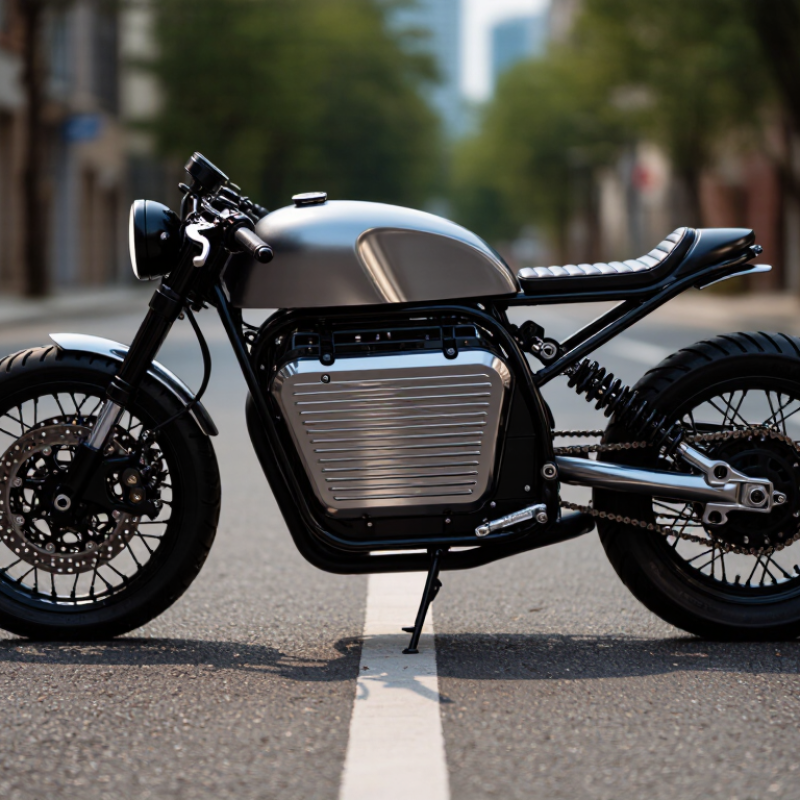
A cafe racer is defined by a compact, purposeful silhouette: a low handlebar, narrow seat, sculpted tank-like bodywork, and restrained trim. On an electric motorcycle, the “tank” may cover electrical components rather than hold fuel. The style should not disguise basic fit. A rider’s wrists, knees, and back matter after more than a short photo stop. Looks are not the whole story.
Electric motorcycles are commonly grouped by performance, speed, and intended use, but class names vary by market. A compact urban model may suit short commutes and easy parking; a higher-powered machine may offer stronger acceleration and longer-distance capability. Buyers should confirm the applicable vehicle category and requirements in their destination, rather than rely on a seller’s label. Small distinction, big consequences.
For a China-sourced purchase, request clear specifications: motor rating, battery capacity, charging time, real-world range test conditions, curb weight, and warranty coverage. Ask whether the range figure reflects steady, mild-weather riding; cold temperatures and faster speeds can reduce it. Check seat height and handlebar reach against your own measurements, and request close-up photos of wiring, connectors, brakes, and finish. Honestly, a sleek profile can distract from an awkward riding position. A short test ride is better evidence than a perfect brochure.
| Topic | Definition or Typical Characteristics | What Global Buyers Should Check |
|---|---|---|
| Cafe racer styling | A design influenced by lightweight, streamlined road motorcycles, commonly featuring a compact profile, low or forward-leaning handlebars, a narrow seat, and minimal bodywork. These are styling conventions, not a regulated vehicle category. | Check that the riding position, seat height, passenger provision, lighting, mirrors, and other equipment suit intended use and local road rules. |
| Urban low-speed electric two-wheeler | A broad buyer-use segment for shorter city trips. Permitted speed, motor-power limits, licensing, registration, and helmet rules depend on the destination jurisdiction and the vehicle's approved classification. | Confirm the legal vehicle class before purchase. Do not assume that a low-speed specification automatically qualifies for bicycle or moped treatment in every country. |
| Moped-class electric vehicle | A legal category defined differently across markets. In the European Union, the L1e category covers light two-wheel powered vehicles; L1e-A and L1e-B have specific type-approval criteria, including limits that should be checked against current regulations. | Request destination-market type-approval evidence and verify the approved maximum design speed, rated power, registration process, and required rider licence. |
| Motorcycle-class electric vehicle | A road vehicle classified as a motorcycle under the destination market's rules. In the EU framework, L3e is the two-wheel motorcycle category; applicable subcategories and requirements depend on the vehicle's approved specifications. | Check homologation for the exact market, registration documents, braking and lighting compliance, licence requirements, and any restrictions on vehicle use. |
| Battery and range | Battery capacity is commonly stated in kilowatt-hours (kWh), while range is usually quoted in kilometres or miles. Actual range varies with speed, rider and cargo weight, temperature, terrain, tyre pressure, and riding style. | Ask for the battery's nominal capacity, usable capacity if available, test method behind any range claim, charging time, battery warranty, and replacement availability. |
| Motor output and performance | Electric motorcycle specifications may list continuous rated power and peak power; these figures are not interchangeable. Speed and acceleration also depend on vehicle design, battery output, gearing, load, and applicable electronic limits. | Compare continuous rated power, peak power, maximum design speed, and gradeability separately. Confirm that the stated figures match the vehicle's approved documentation. |
| Charging and electrical compatibility | Charging equipment, connectors, voltage, and household supply differ by market. A portable charger may require a suitable grounded outlet and may not support every charging network or plug type. | Confirm charger input-voltage range, plug type, charging current, included equipment, and whether a locally approved charger or adapter is required. |
| Safety equipment | Road-use requirements may cover headlamps, indicators, mirrors, brakes, tyres, reflectors, audible warning devices, and vehicle identification. Requirements vary by jurisdiction and vehicle class. | Verify that safety components are approved for the destination market and are included in the exact configuration being purchased. |
| Import and compliance documents | Importing a vehicle may involve customs declarations, duties, taxes, conformity documents, and local registration inspections. Requirements depend on the country, vehicle class, and import arrangement. | Before paying, confirm who handles export and import paperwork, which conformity or type-approval documents are available, and what the buyer must arrange locally. |
| Ownership and after-sales support | Long-term usability depends on warranty terms, service information, diagnostic access, spare-parts availability, battery support, and the ability to obtain repairs in the destination market. | Get warranty coverage and exclusions in writing. Ask about local repair options, parts lead times, battery replacement procedures, and the service schedule. |
Note: Vehicle classes, technical limits, and road-use requirements differ by jurisdiction. Buyers should confirm current rules with the relevant transport or type-approval authority before ordering.
A low handlebar, narrow seat, sculpted tank-like cover, and minimal trim create the compact silhouette. The cover may hide electrical parts, not fuel. Fit still matters.
Compare seat height, handlebar reach, and knee space with your measurements. Request close-up photos, then take a short ride if possible. Brochures can flatter.
Classes often reflect speed, power, and intended use, but names vary by market. Confirm the destination’s vehicle category and buyer requirements. Labels can mislead.
Ask for motor rating, battery capacity, charging time, curb weight, warranty terms, and range-test conditions. Cold weather and faster riding can reduce range. Real roads vary.
It should match the exact vehicle version, battery, charger, and test conditions. Review records for electrical protection, charging, and insulation. Traceability matters.
Verify its vehicle category and destination-specific requirements before production. Check safety reports, lighting, brakes, labels, mirrors, approval, and registration needs. Rules differ.
Get the duration, mileage limit, battery threshold, labor coverage, shipping coverage, and claim steps in writing. Returning a heavy battery overseas may be impractical. Read the fine print.
Request prices and dispatch times for brake pads, displays, controllers, and battery components. Confirm local diagnosis is possible. Parts access is not guaranteed.
Include purchase price, freight, duties, servicing, consumables, and possible battery replacement over three to five years. Ask for a written battery price and lead time. Estimates can be wrong. Make uncertainty visible.
This guide helps global buyers evaluate Cafe Racer Electric Motorcycles by looking beyond appearance. It explains the classic cafe racer design and distinguishes electric motorcycle classes, so shoppers can match a model to their intended use, riding conditions, and local requirements. Market context is also considered: the IEA reports that nearly 10 million electric two- and three-wheelers were sold in 2023, highlighting the growing relevance of this vehicle category.
For a practical comparison, buyers should review motor power, battery capacity, estimated range, and charging time together, since real-world usability depends on how these factors work as a set. The guide also outlines checks for export documentation and applicable safety and vehicle rules, including relevant UN R136, ISO 18246, and local requirements. Finally, it encourages buyers to assess warranty coverage, spare-parts access, and total cost of ownership, helping them compare options with a clearer view of long-term support and value.