0%

The question “How Much Does the RGNT Street Classic Cost?” sounds simple, but the answer depends on where you buy it and what the quoted price includes. A showroom figure may not cover delivery, registration, accessories, or local taxes. Those details can shift the final amount by hundreds of dollars or euros. Small print matters.

The International Energy Agency’s Global EV Outlook 2024 reports that sales of electric two- and three-wheelers reached about 10 million worldwide in 2023. That figure gives useful market context, but it does not tell us what one premium electric motorcycle should cost. The RGNT Street Classic sits in a more specialized category, where equipment, battery terms, and retailer support can influence value as much as the sticker price.

This guide will look at the model’s advertised pricing and the costs that may appear around it. It will also separate confirmed figures from estimates, since prices and availability can change between markets. Compare the same items: battery and charger, warranty coverage, delivery, and any optional equipment. And the awkward part? Public listings do not always explain every fee. A current written quote from an authorized seller is the most reliable way to confirm your true purchase cost.
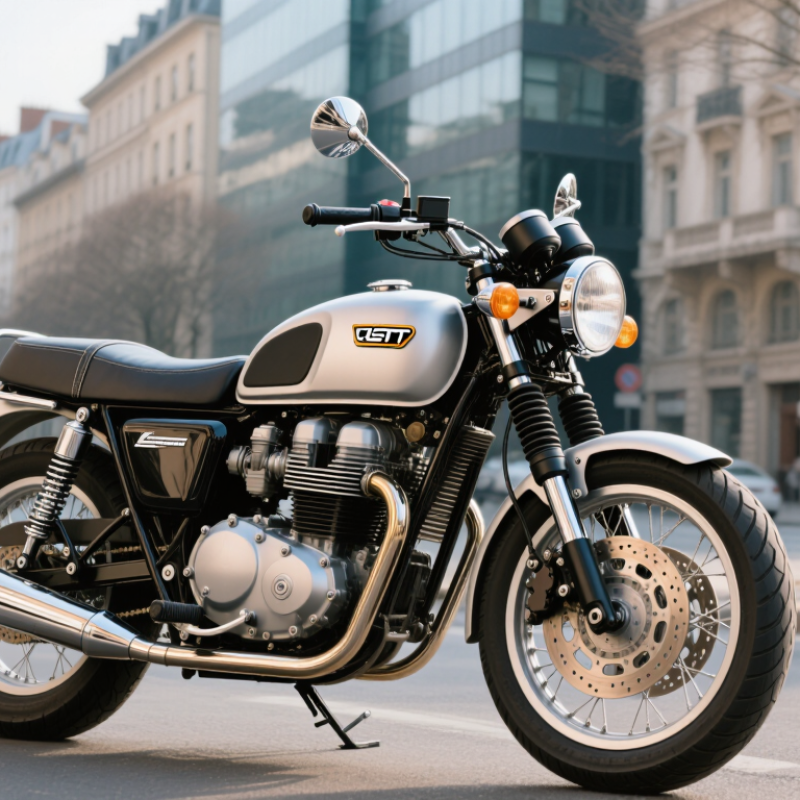
How Much Does the RGNT Street Classic Cost?

RGNT Street Classic Pricing by Model Year

A model-year price guide should separate new, demonstrator, and used motorcycles. Those figures are not interchangeable. A recent model may cost more because it has less wear, while an older one may be attractively priced but need a battery check or fresh tires. Exact prices also vary by country, dealer, and availability.

For each model year, compare several listings from the same market. Record the asking price, mileage, registration date, and included equipment. A charger, service records, or an unmarked battery can affect value. So can cosmetic details: faded paint and scratched bar ends may signal use, but they do not prove a mechanical problem. Ask for an inspection and a written service history.

Treat any year-by-year figure as a guide, not a promise. I would verify the original list price with a dated source before using it, then compare it with current, like-for-like listings. Prices can move. And advertisements sometimes omit important costs, such as delivery or setup. Without reliable records for each year, publishing precise amounts would look neat but could mislead buyers.

What Is Included in the Purchase Price

What Is Included in the Purchase Price

The purchase price should cover the electric motorcycle itself, but the exact package can vary by seller and country. Check the written quotation rather than relying on a headline figure. It may include the traction battery, a compatible charger, standard mirrors, lighting, and other factory-fitted equipment. Ask whether dealer preparation and delivery to the showroom are included. Small fees can change the final amount.

Before paying, confirm what happens after handover. Ask whether the price includes registration paperwork, a first inspection, or any required setup. These items are not guaranteed, and local policies differ. Get the battery and charger details in writing, including whether both are supplied with the motorcycle. Ask before paying. Also check the warranty period, what parts it covers, and where service is available. A useful invoice lists each included item and every extra charge. I would not assume that accessories, delivery to your home, or protective gear are included. That assumption is easy to make, and sometimes wrong. A clear breakdown makes the real cost easier to compare.

Factors That Affect the Motorcycle’s Price

The RGNT Street Classic’s final price depends on more than its listed figure. Battery capacity, motor output, and charging equipment shape manufacturing costs. A larger battery may extend riding range, but it also adds weight and expense. Trim, paint, and optional accessories can widen the gap between two otherwise similar listings. Small details add up.

Location matters, too. Shipping, dealer preparation, registration, and local taxes can raise the amount due at purchase. The U.S. Bureau of Labor Statistics reported annual-average CPI inflation of 4.1% in 2023 and 2.9% in 2024. Those figures cover consumer prices broadly, not motorcycles specifically, but they offer useful context for changing business and transport costs. That distinction matters.

Used prices depend on model year, mileage, battery health, service records, and visible wear. A clean frame and documented maintenance can support a higher asking price; an aging battery may do the opposite. Availability also affects bargaining power: scarce stock can keep offers firm, while dealer discounts may soften a slow season. Ask for an itemized quote, including delivery and setup. Online prices can omit these charges, and listings are not always comparable. I would not treat one advertised price as a reliable market average.

How Location and Dealer Fees Change the Final Cost

The final cost of a street-classic electric motorcycle can differ noticeably from its advertised price. Location is a major reason. A buyer in a remote area may pay more for delivery than someone near a dealer. Local taxes and required registration costs can also change the amount due at purchase. These charges are not always included in the online listing, so compare the written, out-the-door quote rather than the headline price.

Dealer fees deserve a closer look. Setup, inspection, documentation, and delivery charges may appear as separate line items. Some are practical costs; others may be negotiable, depending on the seller. Small fees add up. Ask for an itemized quote and check whether accessories, a charger, or battery-related equipment are included. I would not assume that every listing uses the same definition of “price.” That detail is easy to miss.

Tips: Contact two local dealers, if possible, and request the same breakdown from each. Ask which fees are mandatory, which are optional, and whether delivery is included. Keep the quotes in writing. A short phone estimate can sound clear, then look different on the final invoice. Also leave room in your budget for protective gear and routine ownership costs; the exact amount depends on your choices and local pricing.

Additional Costs of Ownership Beyond the Purchase Price

The purchase price is only the starting figure. Budget for insurance, charging, tyres, routine checks, and protective gear before choosing an electric classic-style motorcycle.

The National Association of Insurance Commissioners notes that motorcycle premiums can vary with location, riding history, coverage, and vehicle type. Get a quote using the exact model and your address; a generic online estimate may be misleading. Gear also adds up: a certified helmet, gloves, and weatherproof layers are practical costs, not decoration.

Charging is usually a smaller bill, but it is not free. The U.S. Energy Information Administration reported an average residential electricity price of about 16 cents per kilowatt-hour in 2023. At that rate, drawing five kilowatt-hours from a home outlet costs roughly 80 cents, before charging losses or local price differences.

Consumer Reports’ 2020 analysis found electric cars had about half the maintenance and repair costs of comparable gasoline cars over time. That is useful context, not a motorcycle-specific promise. Tyres, brake components, and scheduled inspections still need attention. Keep a small repair reserve. I would also check replacement-part availability before relying on low routine-maintenance estimates; that detail is easy to overlook.

FAQS

What can change the final purchase price?

Battery size, motor output, trim, paint, and accessories all affect the listed price. Shipping, dealer setup, registration, and local taxes can raise the amount due. Small details matter.

Why might two similar motorcycles have different prices?

One may have a larger battery, upgraded equipment, or optional accessories. Local delivery costs and dealer preparation can also create a noticeable gap.

How should I compare advertised prices?

Request an itemized quote that includes delivery and setup. Online listings may leave out fees, so the totals may not be comparable. Not always.

What affects the price of a used motorcycle?

Model year, mileage, battery condition, service records, and visible wear all matter. A documented service history may support a higher asking price; an aging battery may lower it.

Can availability affect how much I pay?

Yes. Limited stock can make sellers less flexible, while discounts may appear during slower sales periods. I would not treat one listing as a reliable market average.

What extra costs should I budget for?

Plan for insurance, tyres, routine checks, charging, and protective gear. A helmet, gloves, and weatherproof layers add real costs.

How much might home charging cost?

At about 16 cents per kilowatt-hour, five kilowatt-hours cost roughly 80 cents before charging losses. Local electricity rates can change that estimate.

Does electric power mean maintenance is nearly free?

No. Tyres, brake parts, and scheduled inspections still need attention. Keep a small repair reserve, and check replacement-part availability; I may be underestimating that concern.

Conclusion

The RGNT Street Classic’s price can vary by model year, condition, and the features included, so buyers should compare the exact motorcycle being offered rather than rely on a single headline figure. The purchase price may cover the bike and standard equipment, while optional accessories or upgrades can add to the total. Model-year changes, availability, and local market demand may also influence the asking price.

The final cost can differ from the listed price because location and dealer charges, such as delivery or setup fees, may apply. Before purchasing, ask for an itemized quote and check what is included. Ownership costs extend beyond the initial payment and may include insurance, charging, routine servicing, replacement parts, protective gear, and storage. Considering these ongoing expenses alongside the purchase price can help buyers set a realistic budget.

Oliver

Oliver

Oliver is a professional marketing specialist with a strong understanding of the company’s products, their practical applications, and the needs of the customers they serve. He combines product knowledge with clear, helpful communication, turning complex information into insights that readers can......