What are the 2026 top Retro Electric Street Motorcycles? This guide examines the machines shaping that answer through design, usable performance, and everyday ownership. These motorcycles combine classic silhouettes with electric drivetrains, often featuring round LED headlamps, ribbed seats, exposed frames, and compact battery housings. Their appeal is emotional, but the evaluation must remain practical.
Real-world riding reveals more than a specification sheet. A short city test can expose throttle hesitation, harsh suspension, or awkward charging access. We will compare motor output, battery capacity, estimated range, charging time, curb weight, braking equipment, and rider comfort. Manufacturer claims will be treated carefully, because speed, temperature, cargo, and riding style can reduce range. Real roads disagree.
The strongest Retro Electric Street Motorcycles should feel balanced at traffic lights, stable on uneven pavement, and predictable through tight corners. A low seat may help shorter riders, while a narrow frame can make filtering through urban streets less tiring. Maintenance support also matters. Battery warranties, replacement parts, software updates, and dealer availability can determine long-term value.
This overview will consider recognized 2026 models and closely examine what their retro styling hides. Some rankings may remain debatable. Personal taste still matters. One rider may prefer gentle torque and a soft saddle, while another wants sharper acceleration and stronger suspension. That uncertainty deserves attention, not exaggerated certainty. By combining verified specifications with practical riding observations, this guide aims to identify which electric motorcycles truly belong on the modern city street.
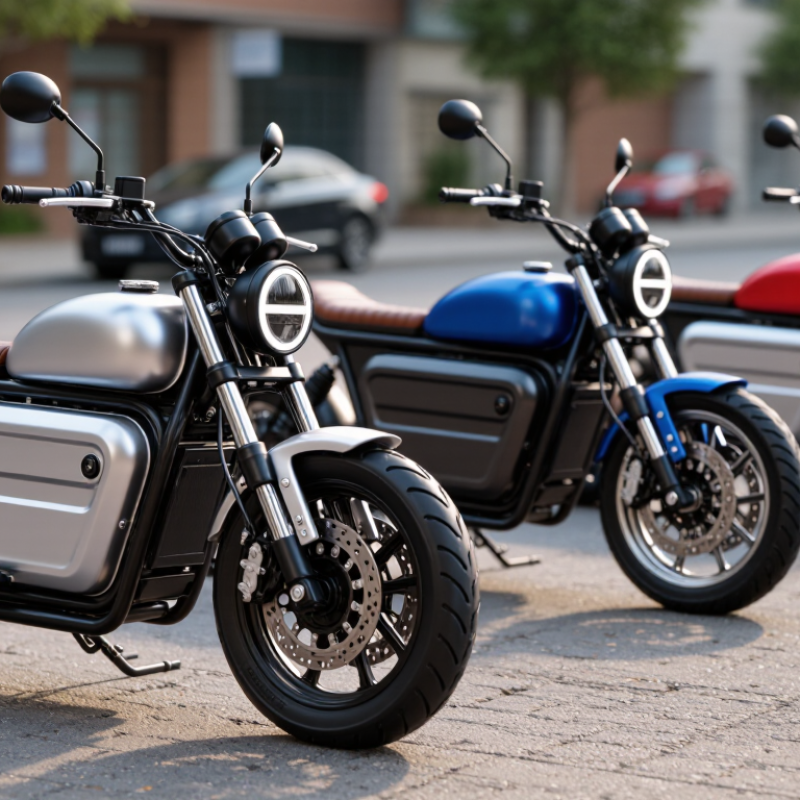
Retro electric street motorcycles in 2026 are shaped by memory, but judged by modern road demands. Their visual language often recalls 1950s and 1960s commuter bikes: round lamps, narrow fuel-tank forms, spoke-style wheels, ribbed seats, and exposed metal details. The “tank” may now hide battery modules instead of fuel. That change creates a familiar silhouette with a quieter purpose.
A strong design balances historical character with electric engineering. A central motor usually supports stable weight distribution, while regenerative braking adds control in city traffic. Designers also need careful battery cooling, weather sealing, dependable brakes, and suspension suited to uneven streets. Small digital displays can preserve the classic appearance, although limited information may reduce everyday convenience. Quiet power.
The best retro designs avoid simply attaching vintage parts to a modern chassis. Their frame geometry, rider position, lighting, and control layout should work as one system. Round lamps may use efficient LEDs, and spoke-like wheels can combine classic texture with practical maintenance. Range remains a difficult compromise. Large batteries increase weight, while slim bodywork can restrict capacity. That tension is easy to overlook when judging photographs.
Historical influence should guide proportion, not freeze progress. A polished metal panel can look authentic, yet it may show fingerprints and weather damage quickly. Flat seats appear elegant, but longer rides can expose weak support. Careful evaluation should include lighting compliance, battery protection, braking performance, charging behavior, and real urban range. Retro styling is persuasive; measurable usability is harder to fake.
Smooth torque matters more than impressive peak output in city traffic. It helps the motorcycle leave intersections without sudden wheel spin. Strong mid-range response also makes hill riding easier. Top speed is not everything.
Compare range in mixed city conditions, not only laboratory testing. Check battery capacity, charging time, and cold-weather losses. Your daily route should leave a safe battery reserve. Wind and rider weight matter too.
Look for predictable brake-lever feel, stable cornering, and effective regenerative braking. Cornering ABS and adjustable traction control can improve confidence. Test the brakes while wearing gloves. Small controls can frustrate riders.
Check seat height, suspension travel, and riding posture. Try stop-and-go traffic for more than a few minutes. Perform a tight U-turn and ride over uneven pavement. A short test ride can hide fatigue.
Not always. Some designs prioritize round lamps and simple bodywork over wind protection. Passenger space, storage, and screen visibility may be limited. Inspect the display in direct sunlight before deciding.
Include electricity, charging equipment, tires, brake pads, insurance, registration, and inspections. Home charging may require professional installation. Electric drivetrains usually need fewer routine services. Battery health still deserves careful attention.
Ask about warranty length, charging limits, battery testing, and replacement timelines. Confirm whether software updates remove useful functions. Published range can shrink during cold weather or strong wind. Promises can age badly.
Moderate power may suit newer riders and crowded urban streets. Experienced commuters might prefer stronger acceleration on open roads. A heavy motorcycle can feel stable at speed but awkward on a sloped driveway. Check local rules and charging access before buying.
Retro Electric Street Motorcycles in 2026 combine classic styling with modern electric performance, creating a practical balance between heritage-inspired design and urban mobility. Their defining features may include rounded bodywork, simple lines, exposed mechanical details, upright riding positions, and vintage-inspired lighting, while their electric powertrains provide quiet acceleration and smooth control. Comparing these motorcycles requires attention to motor output, acceleration, top speed, handling, braking, weight, and overall comfort in city traffic.
The leading 2026 models can be assessed through battery capacity, real-world range, charging time, and energy efficiency rather than appearance alone. Everyday practicality also depends on storage, weather protection, maintenance needs, and access to convenient charging. Safety systems such as traction control, anti-lock braking, connected displays, and strong lighting can improve rider confidence. Ownership costs may be lower than those of conventional motorcycles because electric drivetrains require fewer routine service items. These motorcycles are especially suitable for commuters and riders who value distinctive design, quiet operation, manageable performance, and responsible urban transportation.