0%

Urban Commuter Electric Motorcycles are changing how riders move through crowded streets. For global buyers, the best choice is not always the fastest or most powerful model. It is the one that fits a real routine: a short urban ride, a secure place to park, and charging that works at home or near work. Small details matter. A low seat can help at frequent stops. A clear display is useful in bright sun. A removable battery may ease charging upstairs, but it can add weight. Not every feature suits every rider.

Neal Saiki, founder of Zero Motorcycles, is an experienced voice in electric motorcycling. Paraphrasing his practical outlook: electric motorcycles must work as everyday transport, not just as impressive technology. That is a helpful test. Range figures deserve close attention, since speed, temperature, hills, and rider weight can change real-world results. Charging time and local service access matter too. A polished specification sheet cannot replace those checks.

This guide compares leading commuter options for buyers across different markets. It looks at range, comfort, charging, safety equipment, and ownership considerations, while recognizing that availability and support vary by region. The comparison will not produce one perfect winner. There isn’t one. Some trade-offs are easy to miss, and published figures do not tell the whole story. A careful test ride and a check of nearby service support can reveal more than another feature list.
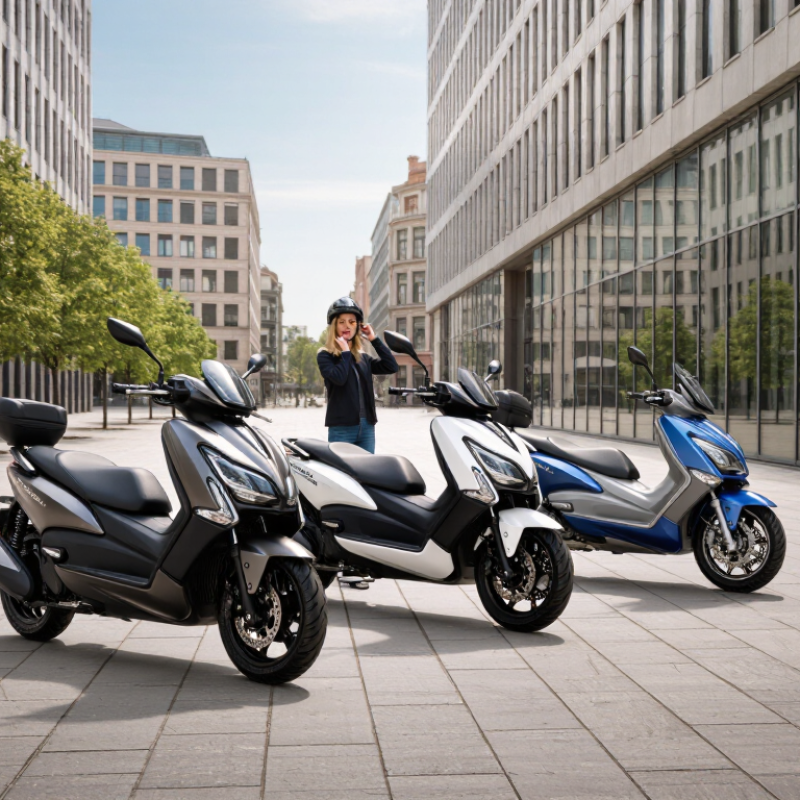
Top Urban Commuter Electric Motorcycles for Global Buyers

What Defines an Urban Commuter Electric Motorcycle

An urban commuter electric motorcycle is defined less by headline speed than by how calmly it handles repeated daily trips. It should accelerate predictably from traffic lights, turn easily on narrow streets, and offer a stable, upright riding position. Practical details matter: clear mirrors, bright lighting, weather protection, and storage for a helmet or work bag. A manageable seat height and weight also help during slow manoeuvres or parking. There is no single universal specification; commute distance, hills, and local charging access change what “practical” means.

Battery range should cover the real round trip, not just an ideal test. Cold weather, passenger weight, stop-and-go traffic, and hills can reduce usable distance. The International Energy Agency’s Global EV Outlook 2024 reports that electric two- and three-wheeler sales reached roughly 10 million globally in 2023. That scale reflects a growing transport category, but it does not make every model suitable for every city. A polished range figure can mislead. Check whether the maker’s test conditions resemble your route, and consider battery replacement or charging downtime.

Tips: Map your commute and add a sensible reserve for detours. Test the motorcycle with your usual bag, then check whether you can charge safely at home or work. Small details count. A heavy battery may be awkward to carry upstairs, even when the motorcycle feels nimble on the road.

How Urban Design Shapes Performance and Everyday Use

Urban design shapes how an electric motorcycle feels long before its battery runs low. A compact wheelbase can make U-turns in cramped streets less stressful. A narrow handlebar helps riders pass parked cars, but it should not feel twitchy at speed. Low seat height makes frequent stops easier, especially when traffic moves one car length at a time. Small details matter. A bright display should remain readable in harsh afternoon sun, while useful mirrors can reveal vehicles approaching between lanes. Yet a nimble frame may feel less settled on broken pavement. That trade-off deserves a test ride.

Tips: Check the turning circle in a quiet parking area. Sit on the motorcycle with both feet near the ground. Bring your usual bag; its weight can change the balance. If possible, ride over a rough patch and test the brakes gently.

Daily convenience depends on more than speed. A predictable throttle helps when inching forward, and smooth regenerative braking can reduce constant hand movement. Storage for a rain layer or charging cable is practical, though bulky add-ons may make tight parking harder. Charging access also shapes routine: measure the distance from your parking spot to the nearest outlet before deciding how you will recharge. Urban layouts vary, and a setup that works at home may be awkward at work. Don’t assume one design fits every commute.

Key Electric Motorcycle Models and Categories for Global Buyers

Urban commuter electric motorcycles usually fall into three useful categories: compact city models, step-through designs, and standard commuter models. Compact models feel easier to park beside a crowded curb and weave through slow traffic. Step-through frames simplify getting on and off, especially with work clothes or a loaded backpack. Standard models often provide a more familiar riding position and room for larger batteries. Fit matters more. A tall rider may find a compact seat tiring after several stops.

Compare practical details, not just advertised range. Check battery capacity, charging time, removable-battery options, seat height, and storage space. A route with steep hills, cold mornings, or frequent stops can reduce real-world range. Ask whether the battery can charge safely where you live or work. These details vary by model and should be verified in the owner’s manual. A category comparison can still miss individual comfort; a short test ride may reveal an awkward reach to the controls.

Tips: Measure your parking space and daily route before choosing. Carry your usual bag during a test ride. Leave a range buffer for detours and colder weather. Don’t rely on one figure.

How to Compare Range, Charging, Cost, and Safety

Top Urban Commuter Electric Motorcycles for Global Buyers

Compare range using your actual route, not a single advertised figure. A 20-kilometre commute with frequent stops, a passenger, and steep roads can drain more energy than a steady test ride. Check battery capacity in kilowatt-hours and ask whether the stated range reflects mixed urban riding. The IEA’s Global EV Outlook 2024 reports nearly 10 million electric two- and three-wheelers sold worldwide in 2023. That scale brings more options, but specifications still vary widely. I would not trust range alone.

Charging time depends on more than the battery size. Compare the charger’s power rating, the time needed for a typical top-up, and whether charging suits your home or workplace. For cost, estimate electricity use over your weekly distance, then include servicing, insurance, and eventual battery replacement. BloombergNEF reported an average lithium-ion battery-pack price of $139 per kilowatt-hour in 2023, down 14% from 2022. This is a broad market benchmark, not a motorcycle replacement quote. Small details matter.

Safety deserves equal weight in the comparison. Check braking equipment, lighting, tyre condition, rider ergonomics, and the availability of protective gear. The WHO’s Global Status Report on Road Safety 2023 estimates 1.19 million road deaths annually and attributes 21% to users of powered two- and three-wheelers. A quiet motor does not make busy intersections safer. Some buyers may overlook visibility or wet-road braking during a short test ride; that is easy to regret.

How Local Regulations and Support Affect Ownership

A commuter electric motorcycle can make a crowded city feel smaller, but local rules shape daily ownership. Registration categories, licence requirements, permitted road speeds, and parking rules vary between cities and countries. Check the relevant transport authority’s current guidance before choosing a model. A motorcycle that suits your commute may not qualify for every road or parking area. Details matter.

Local support is just as practical. Ask nearby service shops whether they can inspect the battery, brakes, and electrical system, and how long common parts take to arrive. If a small component needs weeks to ship, your commute may become a bus ride. Also confirm where charging is allowed in your building, and whether your insurer covers the vehicle as configured. These checks are easy to postpone. That can disappoint.

For buyers moving across borders, warranty terms and service access may change after relocation. Keep purchase documents, maintenance records, and battery information together; they help when requesting repairs or confirming coverage. Ask specific questions, not just whether support is “available.” Who handles a fault, and where? I once overlooked that distinction when comparing ownership costs. The advertised range looked convincing, but a nearby repair option would have mattered more on a rainy weekday.

FAQS

How can wheelbase affect city riding?

A compact wheelbase can make U-turns easier on cramped streets. Test the turning circle in a quiet parking area.

What should riders check about seat height?

Sit on the motorcycle with both feet near the ground. A low seat can make frequent traffic stops easier.

Which details help with visibility?

Check whether the display stays readable in bright afternoon sun. Useful mirrors can show vehicles approaching between lanes.

Can a nimble motorcycle feel less stable?

Yes. A nimble frame may feel unsettled on broken pavement. Try a rough patch during a careful test ride.

What makes stop-and-go riding more comfortable?

A predictable throttle helps when moving forward slowly. Smooth regenerative braking can reduce repeated hand movement.

What should riders consider before choosing storage and charging options?

A rain layer or charging cable is useful to carry. Measure the distance from your parking spot to an outlet. Bulky add-ons can make tight parking harder.

Which local requirements should buyers check?

Check current guidance on registration, licence requirements, road speeds, and parking rules. Requirements vary by location.

How can buyers check repair support?

Ask nearby service shops about battery, brake, and electrical inspections. Find out how long common parts take to arrive. “Support is available” is not specific enough.

What records and coverage details are useful?

Keep purchase documents, maintenance records, and battery information together. Confirm insurance and warranty coverage for your setup. I once overlooked where repairs would happen; that mattered more than expected.

Conclusion

Urban Commuter Electric Motorcycles are designed to make daily city travel practical, efficient, and comfortable. Their compact proportions, responsive acceleration, manageable weight, and quiet operation can suit busy streets and frequent stops. Useful urban design also considers riding posture, storage, weather protection, visibility, and ease of parking, helping riders handle everyday journeys rather than focusing only on top speed.

Global buyers can compare different motorcycle categories by looking at real-world range, battery capacity, charging time, and access to convenient charging points. Ownership costs may include purchase price, electricity, maintenance, insurance, and battery care. Safety features, braking performance, lighting, and rider comfort deserve equal attention. Before choosing a model, buyers should also check local registration requirements, permitted vehicle specifications, service availability, warranty coverage, and access to replacement parts. Considering these factors together helps match a motorcycle to a rider’s commute, budget, and local conditions.

Charlotte

Charlotte

Charlotte is a professional marketing specialist who combines a strong understanding of the company’s products with a clear, reader-focused approach to communication. She regularly updates the company website with informative blog articles, helping customers learn about product features, practical......