
Explore our top-tier export-ready models equipped with intelligent Kinetic Energy Recovery Systems (KERS), smart BMS telemetry, and full CE/EEC homologation for global distribution.
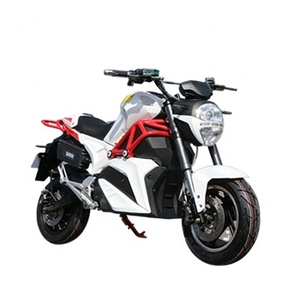
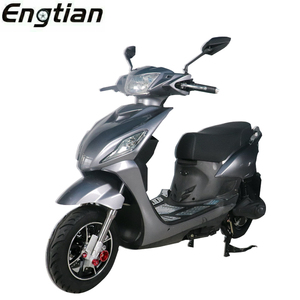
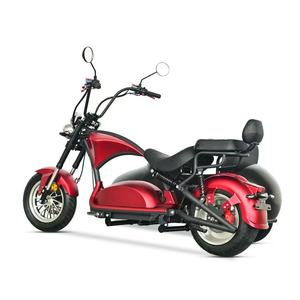
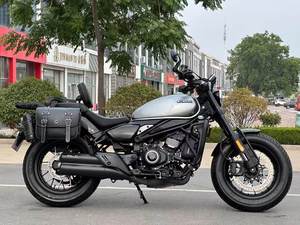
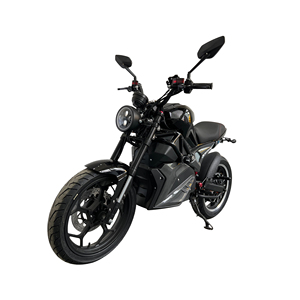
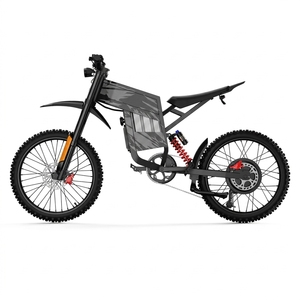
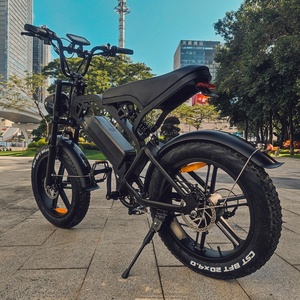
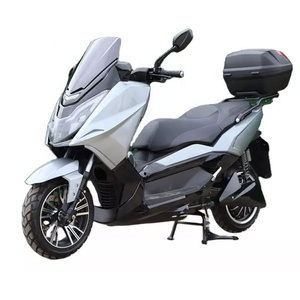
Regenerative braking in electric 2-wheelers represents a convergence of thermodynamic energy capture, power electronics, and advanced algorithmic motor control. Rather than dissipating kinetic deceleration energy entirely as friction heat across rotor discs, modern CE-certified electric motorcycles and e-bikes leverage vector-controlled field-oriented inverter topologies (FOC) to convert the traction motor into an AC generator during braking events.
For commercial importers, enterprise distributors, and municipal fleet buyers, sourcing certified vehicles with calibrated regenerative braking yields substantial total cost of ownership (TCO) benefits. Below is an engineering analysis of how kinetic energy recovery operates within global CE compliance frameworks:
During deceleration, the Field Oriented Controller (FOC) reverses the current phase angle. The counter-electromotive force (Back-EMF) generated by the permanent magnet synchronous motor (PMSM) directs energy back into the high-voltage lithium battery pack.
B2B fleet compliance requires robust Battery Management System (BMS) logic. Our systems continuously monitor state-of-charge (SoC), cell voltages, and thermal thresholds to dynamically modulate reverse charge current and prevent lithium plating.
CE marking confirms adherence to EU Machinery Directive 2006/42/EC, Low Voltage Directive 2014/35/EU, and EMC Directive 2014/30/EU. Electromagnetic compatibility ensures KERS regenerative spikes do not disrupt onboard telematics.
Combining industrial mass-manufacturing efficiency with small-batch artisanal precision. From our specialized workshop in Anneberg, Sweden to our scaled export assembly lines, quality control is paramount.
Every premium unit in our Swedish Street Series line—including the Street Classic and Street Scrambler—is hand-assembled by master technicians in Anneberg on the Swedish southwest coast. Built in limited runs, each vehicle undergoes rigorous multi-point torque calibration, electrical isolation testing, and individualized road auditing.
For international importers seeking high-volume commercial fleets or customized brand deployment, our Asian manufacturing hubs offer end-to-end OEM/ODM capabilities. We deliver Complete Knock-Down (CKD) and Semi Knock-Down (SKD) shipments optimized for regional tariff compliance and low container shipping costs.
Compare core drivetrain specifications across our primary export and boutique Swedish electric motorcycle configurations.
| Model Series | Licence / Homologation | Battery Pack | Regen System (KERS) | Charging Protocol | Top Speed & Range | Target B2B Application |
|---|---|---|---|---|---|---|
| RGNT Street Classic | A1 / L3e (EU CE) | 8.3 kWh / 10.1 kWh Lithium | FOC Variable Regen Brake | Type 2 (1.8 kW / 6 kW Fast) | 135 km/h | 139–170 km | Premium Urban Mobility / Retail |
| RGNT Street Scrambler | A1 / L3e (EU CE) | 8.3 kWh / 10.1 kWh Lithium | Dual-Channel ABS + KERS | Type 2 Standard | 135 km/h | 139–170 km | Multi-Terrain / Rental Fleets |
| Super Power Roadster | L3e / High-Power CE | 72V 100Ah Lithium NMC | Proportional EBS Regenerative | On-board 15A Smart Charger | 120 km/h | 140 km | Commercial Commuter / Export |
| V20 Vintage Fat Bike | CE EN15194 Pedelec | 48V 20Ah Removable Pack | Motor Phase Brake Assist | Standard Wall Outlet (54.6V) | 45 km/h | 70–90 km | Urban Resort / Last-Mile Fleet |
| Off-Road Electric Dirt Bike | CE Off-Road / L3e Option | 72V 40Ah High-Discharge | Heavy Duty Off-Road KERS | Quick DC Charger (2-hour) | 110 km/h | 100 km | Sports Mobility / Trail Patrol |
Insights for commercial buyers, fleet managers, and OEM partners evaluating the next decade of electric 2-wheeler technology.
Next-generation motor controllers are shifting from silicon MOSFETs to GaN and Silicon Carbide (SiC) semiconductors. This reduces thermal losses in regenerative mode by up to 40%, allowing higher reverse current throughput without overheating the controller.
Future CE-certified platforms integrate Radar and GPS topology mapping. The vehicle automatically adjusts regenerative braking force based on front vehicle proximity, speed limits, and downhill inclines, optimizing energy harvest seamlessly.
Upcoming European Union regulations require digital battery passports tracking raw material sourcing, carbon footprint, and state-of-health (SoH). Our supply chains are already aligned with supply chain transparency standards.
Essential answers regarding CE certification, tariff classification, regenerative brake maintenance, and importer partnerships.
CE compliance for electric motorcycles encompasses multiple European Directives. For safety, vehicles comply with the Machinery Directive (2006/42/EC) and Low Voltage Directive (2014/35/EU). For electromagnetic stability during high-current regenerative braking, compliance with the EMC Directive (2014/30/EU) and UNECE Regulation R10 is mandatory. Pedelec e-bikes must strictly comply with EN 15194:2017.
Regenerative braking handles up to 60-70% of routine deceleration in urban riding environments. By using electromagnetic resistance from the PMSM motor, thermal strain on hydraulic disc calipers, pads, and rotors is dramatically reduced. Fleet operators report up to 3x longer brake pad lifespans, lowering total fleet maintenance overhead significantly.
Both our boutique Swedish models (RGNT Street Classic/Scrambler) and high-power export series are homologated under the L3e-A1 light motorcycle category (125cc equivalent). Riders require an A1 driving licence. In several EU member states (e.g., Germany with B196 extension, France, Spain), standard B car licence holders with national extensions qualify to ride.
Vehicles come equipped with an automotive-grade Type 2 charge port. Charging from a standard household socket via the 1.8 kW onboard unit takes approximately 3h 45m (0-80%). The optional 6 kW single-phase fast charger reduces 0-80% charge time to under 60 minutes on public AC charging stations rated 22 kW or higher.
Under the standard WLTP cycle, our 8.3 kWh Standard battery delivers ~139 km, while the 10.1 kWh Long Range pack achieves ~170 km. In stop-and-go city riding where regenerative energy capture is maxed out, range gains can reach +22%. Sustained highway speeds (100+ km/h) reduce regen contribution, yielding ~90–110 km of continuous high-speed range.
All commercial shipments are backed by a standard 2-year or 10,000 km factory warranty (whichever comes first), fully covering the motor, controller, smart BMS, and battery cells. The lithium architecture is engineered for >1,000 full charge cycles while retaining over 80% initial capacity.
We partner with verified distributors, dealership groups, and enterprise fleet managers worldwide. Territory exclusivity agreements are evaluated based on annual order commitments, local showroom presence, and service infrastructure capability. Contact our corporate export desk via the quote request form below.