

Analyzing the convergence of classic aesthetic heritage, European legal compliance, and high-performance electro-powertrain technology for global enterprise buyers.
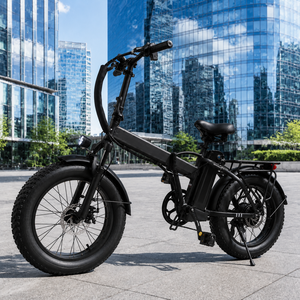
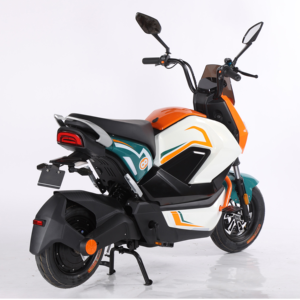
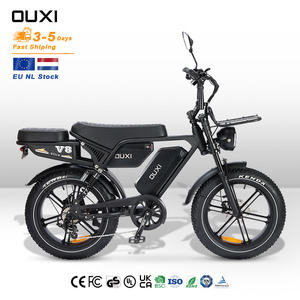
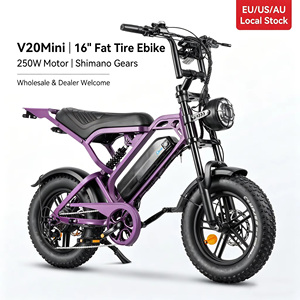
The global light electric vehicle (LEV) market is experiencing a structural paradigm shift. While traditional commuter e-bikes prioritize stark utility, consumer demand across North America, Western Europe, and Australasia has pivoted rapidly toward **vintage-inspired, retro-styled electric bicycles and scramblers**. These vehicles blend the timeless silhouette of 1970s cafe racers, classic board track racers, and vintage mopeds with sophisticated 21st-century electric propulsion systems.
For commercial importers, brand owners, and wholesale distributors, sourcing **CE Certified Vintage Electric Bikes** is no longer merely an aesthetic choice—it is a rigorous technical enterprise. European standards such as **EN 15194:2017** mandate strict mechanical structural integrity, Electromagnetic Compatibility (EMC), and functional electrical safety. Partnering with a verified OEM/ODM factory equipped with automated frame welding, certified lithium battery assembly lines, and comprehensive quality assurance protocols is the single most critical factor in mitigating market recall risks and securing brand longevity.

Understanding the mandatory regulatory framework for importing electric bicycles into the European Union and North American markets.
Defines structural strength, frame fatigue safety, braking performance, and maximum 250W rated continuous motor power cut-off at 25 km/h for standard EPAC (Electrically Power Assisted Cycles) classification without requiring type approval.
Electromagnetic Compatibility Directive (2014/30/EU) ensures controller and motor displays radiate no interference with cellular or radio signals. Low Voltage Directive (2014/35/EU) governs battery charger electrical isolation safety.
Lithium-ion battery packs undergo rigorous thermal shock, altitude simulation, vibration, external short-circuit, and crush testing. Certified with Smart BMS protecting against overcharge, over-discharge, and thermal runaway.
| Target Region | Vehicle Class | Max Power / Speed | Mandatory Certification Standards | Import Duty & Compliance Notes |
|---|---|---|---|---|
| European Union | EPAC (Pedelec) | 250W / 25 km/h | EN 15194:2017, CE, RoHS, REACH | No helmet/license required; standard bike lane access. Anti-dumping duties mitigated via SKD/CKD options. |
| European Union | L1e-B Moped / Speed Pedelec | 500W–4000W / 45 km/h | EU Type Approval (CoC), ECE Reg 100 | Requires license plate, mirror, horn, insurance, and certified DOT/ECE helmet. Full CoC documents supplied. |
| North America (US) | Class 1 & Class 2 E-Bike | 750W / 20 mph (32 km/h) | UL 2849, UL 2271, CPSC 16 CFR 1512 | Throttle permitted for Class 2; UL 2849 mandatory for major metropolitan retail distribution (e.g., NYC). |
| North America (US) | Class 3 E-Bike | 750W / 28 mph (45 km/h) | UL 2849, CPSC 16 CFR 1512, DOT Brakes | Pedal-assist only to 28 mph; dual hydraulic disc brake setup strongly required for commercial liability. |
How our certified manufacturing facilities bridge classic motorcycle aesthetics with modern robotic welding and modular electrical integration.
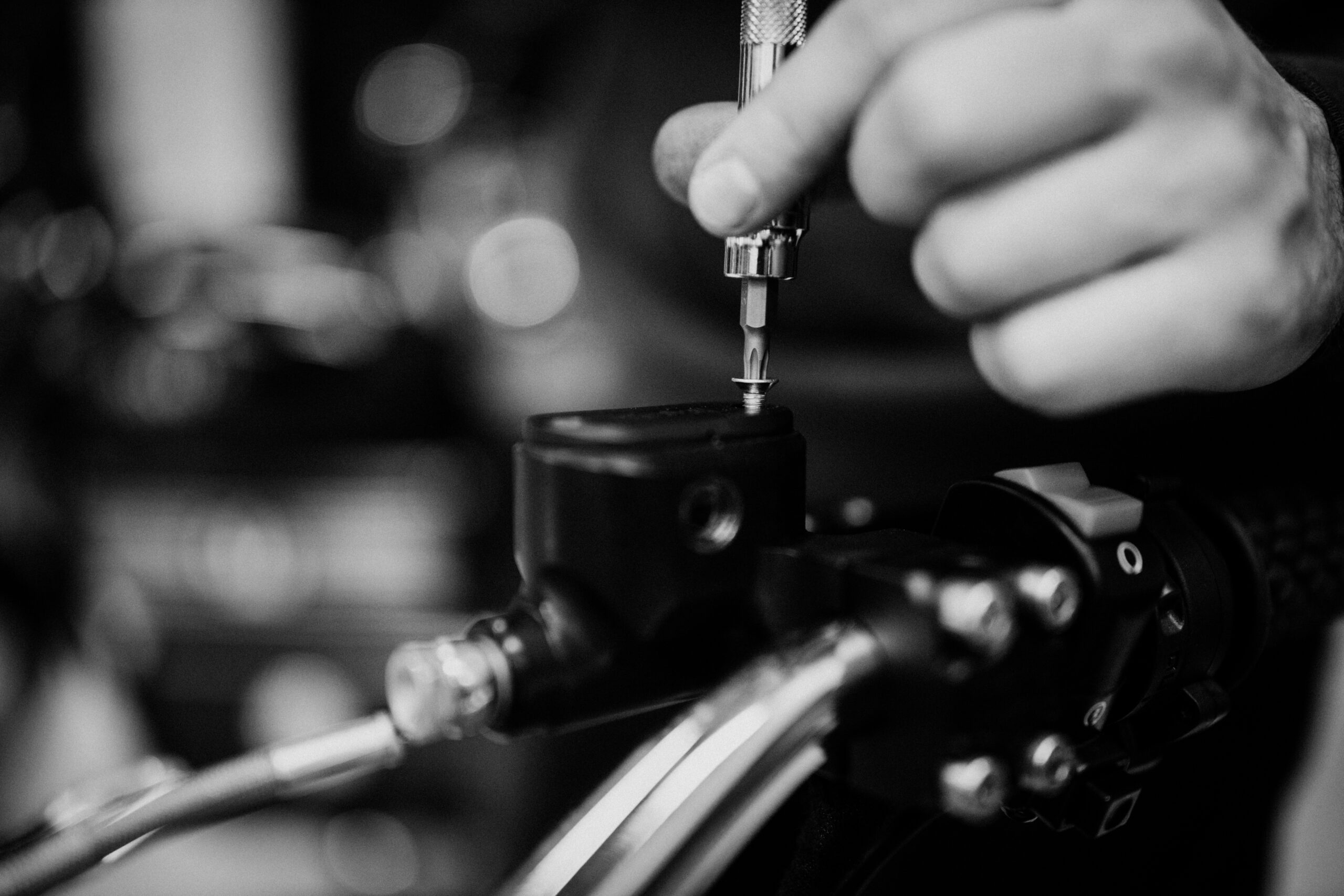
Unlike mass-market commuter bikes that utilize generic diamond frames, vintage electric bikes demand specialized chassis architecture to accommodate large teardrop battery enclosures, oversized faux gas tanks, and fat-tire rear swingarms.
Key technology shifts and supply chain evolutions shaping the next 5 years of vintage electric bike sourcing.
Commercial buyers are shifting away from single 48V 10Ah packs. Future procurement protocols prioritize dual-battery systems (e.g., 48V 26Ah or 52V 30Ah combined capacity) utilizing high-capacity 21700 cells. Smart dual-battery balancing modules dynamically switch current draw to maximize cell efficiency and deliver real-world ranges exceeding 120 km per single charge cycle.
Modern vintage e-bikes combine retro aesthetics with advanced digital backends. OEM integration of 4G/GPS telematics modules enables real-time vehicle tracking, remote diagnostics, geofencing, dynamic anti-theft alarms, and Over-The-Air (OTA) firmware updates—allowing distributors to manage commercial rental fleets or consumer warranty claims seamlessly.
While entry-level models utilize basic magnet cadence sensors, premium vintage cruiser buyers demand hyper-responsive dual-sided torque sensors (Bafang, Ananda, or Mivice). Torque sensors measure rider pedal force 1,000 times per second, eliminating sudden motor surges and providing an incredibly intuitive, smooth, motorcycle-like acceleration curve.
Supply chain volatility has accelerated the adoption of localized fulfillment hubs in the Netherlands, Italy, Germany, and the US. Direct B2B access to EU duty-paid stock eliminates 60-day sea freight leads, allowing regional dealers to order in small batch quantities (MOQ as low as 2–5 units) with 48-hour door-to-door transit times.
Leveraging decades of electro-mechanical engineering expertise to build custom vintage e-bike brands worldwide.
From initial 3D CAD modeling and prototype frame fabrication to custom paint pantone matching, logo laser engraving, and custom battery casing designs.
Full ODM/OEM Support →Every frame undergoes 200,000-cycle dynamic stress testing. Battery packs are subjected to 100% aging tests and thermal chamber evaluations before packing.
Zero-Defect Guarantee →Whether shipping full 40HQ containers direct from factory lines or dispatching individual palletized units from EU/US warehouses, we optimize your land/sea freight costs.
Global Supply Chain →Essential answers for importers, brand directors, and purchasing managers regarding regulatory compliance, MOQ, custom branding, and shipping protocols.
Our entire vintage electric bike product line is fully certified to **EN 15194:2017** standards. Each order is delivered with a complete compliance package including:
For speed pedelecs or moped-class models (L1e-B), complete EU Type Approval Certificate of Conformity (CoC) documents are supplied for vehicle registration.
We offer flexible procurement thresholds designed for scalable market entry:
Battery failure is the single largest warranty risk in e-mobility procurement. We enforce a zero-compromise cell selection policy:
We source exclusively A-grade high-density 18650 and 21700 lithium cells from tier-1 manufacturers (LG, Samsung, Panasonic, or certified EVE/Bak cells). Every battery module features an integrated Smart BMS (Battery Management System) with multi-point temperature sensors, balancing logic, over-current protection, and automatic high-temperature shutoff. Packs undergo 100% computer-automated charge-discharge aging cycles prior to final casing assembly.
Yes. Controller firmware is fully customizable at the factory level to comply with regional light electric vehicle laws:
Software speed limiters can also be programmed with multi-mode user-selectable settings directly via the handlebar display.
All commercial purchases are backed by a comprehensive B2B warranty structure:
We supply 1% to 2% complementary wear-and-tear spare parts (brake pads, levers, cabling, inner tubes) with every container order, alongside direct access to our technical engineering team for remote diagnostic support.
To maximize container space and guarantee damage-free transit across ocean lanes, bikes are packaged in 7-layer reinforced heavy-duty corrugated export cartons with internal molded EPE foam padding.
Standard shipment is 85% SKD (Semi-Knocked Down): front wheel, handlebars, headlight, and pedals require basic 15-minute assembly using included tools. Complete CKD (Completely Knocked Down) options are available for local assembly assembly plants seeking optimized tariff rates.