
Explore our high-performance fleet equipped with lithium-ion power packs, intelligent BMS, and rapid charge capability for international B2B distributors and fleet operators.
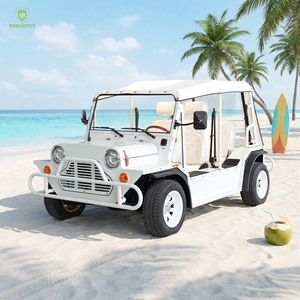
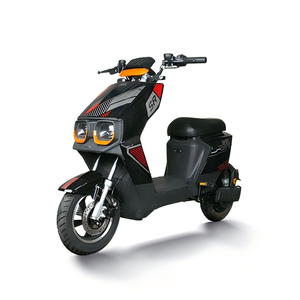
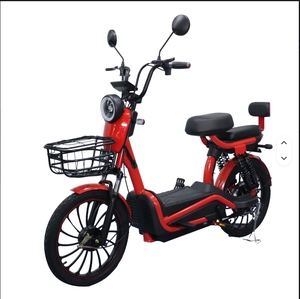
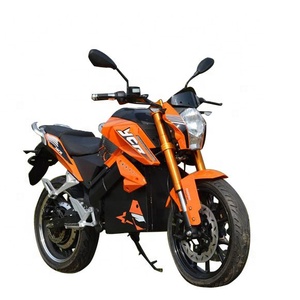
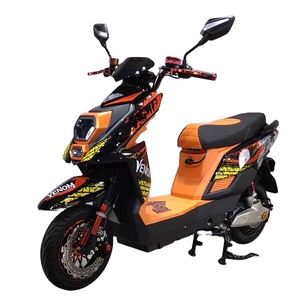
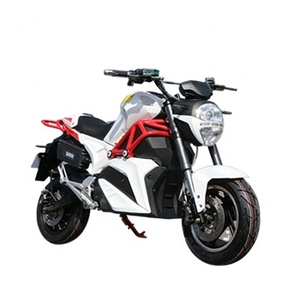
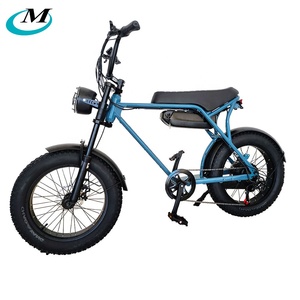
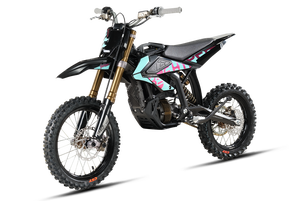
The global two-wheeler sector is experiencing a structural migration from internal combustion engines (ICE) toward high-voltage, fast-charging electric platforms. As corporate fleet operators, urban mobility startups, and regional distributors seek competitive advantages, partnering with a premier China fast charging motorbike supplier has evolved from a cost-saving procurement tactic into a core strategic growth imperative.
Historically, adoption of electric motorbikes was constrained by two main friction points: prolonged recharge intervals (typically 6 to 8 hours via standard AC outlets) and thermal management limitations in lithium battery packs. Today, China's advanced manufacturing ecosystems have overcome these bottlenecks by integrating automotive-grade CCS2 and Type 2 fast-charging protocols into lightweight two-wheeler architectures.
Key E-E-A-T Technical Insight: Modern fast-charging electric motorcycles utilize high-density NMC or thermal-stable LiFePO4 chemistry backed by CAN-bus monitored Battery Management Systems (BMS). This architecture allows continuous 1C to 3C charging rates—replenishing 80% state-of-charge (SOC) in as little as 45 to 60 minutes without compromising cycle longevity or triggering thermal runaways.
When evaluating international suppliers, enterprise procurement teams must examine beyond simple motor wattage. True manufacturing authority rests upon structural frame integrity, intelligent thermal dissipation pathways, real-world WLTP range validation, and certified compliance with European Union (EEC/L3e/A1) and North American (DOT/EPA) regulatory frameworks.
To deliver true industry information gain, our R&D engineering division highlights the five foundational technical innovations defining the next five years of commercial electric motorbike production:
Moving from legacy 48V to 72V–96V architecture reduces system current (amperage), minimizing resistive copper losses ($I^2R$) and keeping wiring harnesses lightweight while boosting peak torque.
Next-generation Field Oriented Controllers (FOC) utilize SiC MOSFETs to achieve 98.5% energy conversion efficiency, extending urban range by up to 12% per single battery charge.
Direct integration of compact onboard chargers compatible with standard EV public charging pillars (Type 2 / SAE J1772), freeing riders from cumbersome external brick adapters.
For B2B buyers detailing tender documentation, the structural differences between standard commercial bikes and true high-performance fast-charging electric motorcycles are categorized below:
| Engineering Parameter | Standard E-Motorcycle | Fast-Charging Roadster / Cafe Racer | Commercial Impact |
|---|---|---|---|
| Operating System Voltage | 48V - 60V DC | 72V - 96V High-Voltage DC | Higher efficiency, less heat buildup |
| Charge Protocol | Off-board 1.8kW Lead/Li Adapter | Type 2 / 3.3kW - 6.0kW Onboard Fast Charger | 80% SOC restored in 45-60 min vs 6+ hrs |
| Peak Motor Output | 1,000W - 3,000W Hub Motor | 8,000W - 14,000W Mid-Drive / IPM Motor | Top speeds reaching 120 - 135 km/h |
| Thermal Management | Passive Air Cooling | Active Liquid Cooling / Phase-Change Heat Sink | Sustained high-speed riding without throttling |
| BMS Communication | Standalone Analog Protection | CAN-bus / IoT Telematics / Cloud Diagnostic | Remote firmware update & fleet tracking |
Navigating the Chinese manufacturing OEM landscape requires a rigorous evaluation framework. Price per unit is only one variable in total cost of ownership (TCO). High-volume importers must evaluate suppliers across four core pillars of operational capability:
The battery system accounts for 35% to 45% of the total vehicle bill of materials (BOM). Top-tier suppliers partner with verified tier-1 cell manufacturers such as CATL, EVE, or BYD. Demand UN38.3 test reports, MSDS certifications, and IEC 62133 safety compliance to ensure frictionless customs entry into Western jurisdictions.
High-torque electric motors exert significant instantaneous stress on motorcycle frames. Premium OEM factories utilize robotic CNC welding for seamless high-tensile steel or aluminum alloy chassis. Every frame should undergo dynamic stress simulation and 100,000-cycle vibration stress testing prior to assembly line rollout.
Selling road-legal vehicles in the EU requires European Whole Vehicle Type-Approval (WVTA) under category L3e (A1/A2 licence equivalent). Ensure your Chinese factory supplier provides full CoC (Certificate of Conformity) documentation, light system E-mark approvals, and compliant braking configurations (CBS or ABS standard).
Modern fleet buyers require integrated connectivity. Look for suppliers offering customizable digital clusters with Apple CarPlay/Android Auto compatibility, Bluetooth app control, and OBD-II / CAN-bus diagnostic capabilities that allow local dealers to service vehicles with ease.
As a leading Chinese supplier specializing in high-speed, fast-charging electric motorcycles, our manufacturing ecosystem is engineered to service global distributors, government projects, and brand owners through flexible OEM/ODM partnerships.
Every single unit undergoes rigorous 5-stage testing: incoming cell testing, BMS functional verification, chassis alignment inspection, waterproof IP67 chamber test, and dynamic dyno bench testing.
From custom plastic bodywork molding and branded TFT display boot screens to tailored suspension tuning, our engineering team brings new models from CAD design to prototype in 60 days.
We back our production with a 2-year / 10,000 km warranty covering power pack and motor. Remote CAN-bus diagnostic toolkits and dedicated spare parts dispatch ensure zero showroom downtime.
Supply Chain Security Note: Located in China's prime industrial EV manufacturing cluster, we maintain direct long-term supply contracts for raw lithium, rare-earth permanent magnets (Neodymium), and semiconductor components, insulating our wholesale partners from global supply volatility.
Below are clear, verified answers to standard commercial and technical inquiries raised by international procurement directors when purchasing fast-charging electric motorcycles.
Our vehicles can be configured with universal Type 2 (EU standard IEC 62196-2) connectors, CCS2 fast-charge inlet adapters, or regional NEMA/SAE J1772 plugs. The onboard charger automatically adjusts input from 110V-240V AC and supports up to 3.3kW to 6kW single-phase fast charging.
Our smart BMS manages cell voltage balancing and temperature thresholds dynamically. Charging current is automatically dialed back during early (0-10%) and late (80-100%) stages to prevent lithium plating. This ensures the battery maintains over 80% original capacity after 1,000 to 1,500 full charge cycles.
For Europe, models are certified under EEC/e-Mark (L3e category, equivalent to 125cc combustion bikes), requiring an A1 or standard car licence with national extensions. For North America, our vehicles comply with DOT, FMVSS, and EPA guidelines for street-legal registration.
Standard wholesale sample orders begin at 5 to 10 units for fleet testing. Custom OEM branding (custom colorways, logo integration, TFT boot screen branding) typically carries an MOQ of 20 to 50 units (one 20ft container load).
Because electric motorcycles feature 70% fewer moving parts than petrol bikes (no oil filters, spark plugs, or drive belts), maintenance is primarily restricted to brake pads, tires, and software updates. We supply standardized spare parts packages with every container shipment and provide remote CAN-bus diagnostic support.
Standard model production takes 25 to 35 business days from deposit confirmation. Ocean freight transit typically requires 18 to 30 days depending on the destination port (Rotterdam, Hamburg, Los Angeles, Dubai, etc.).
Connect directly with our senior engineering and export sales team. Receive complete technical datasheets, EEC/DOT homologation files, and volume pricing within 24 hours.