
Explore our high-performance OEM/ODM electric motorcycles, dual-sport scramblers, and urban mobility platforms ready for global homologation and custom white-label production.
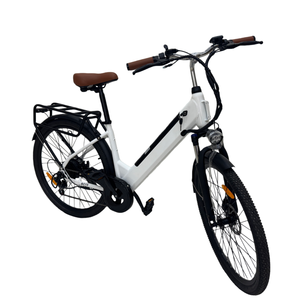
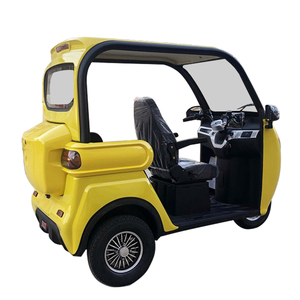
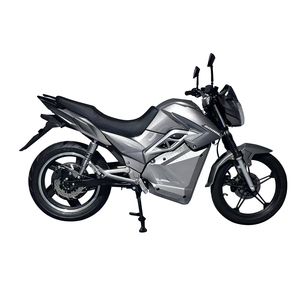
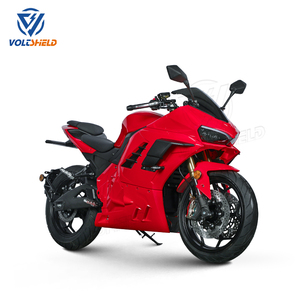
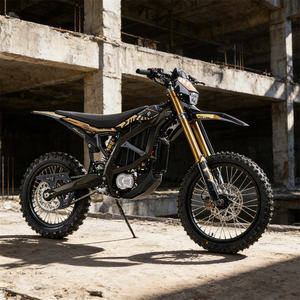
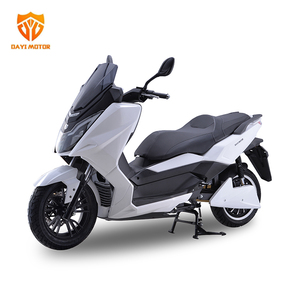
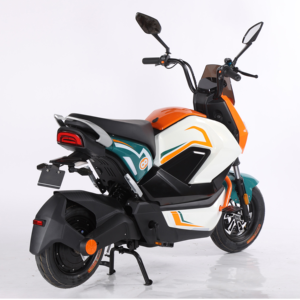
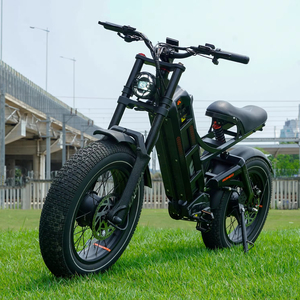
The global two-wheeler sector is experiencing an unprecedented structural pivot toward high-performance electric adventure motorcycles. B2B buyers, regional brand owners, and fleet importers face dual pressures: navigating strict environmental regulations like EU Stage emissions standards and meeting consumer demands for long-range, instant-torque off-road capability. This industry whitepaper outlines how modern OEM and ODM manufacturing partnerships allow brands to rapidly deploy high-specification dual-sport platforms, urban scramblers, and long-range adventure vehicles without incurring prohibitive capital expenditure on chassis tooling or powertrain development.
By leveraging Scandinavian engineering design principles combined with agile, automated mass-production facilities, leading exporters now deliver EEC and DOT certified electric motorbikes equipped with smart BMS telemetry, Type 2 fast-charging architecture, and modular battery bay configurations. This comprehensive guide reviews technological shifts, regulatory compliance pathways, factory sourcing criteria, and long-term procurement forecasts for international buyers.
Rooted in handcrafted engineering practices developed in Anneberg on the Swedish southwest coast, our design and manufacturing matrix seamlessly merges artisan craftsmanship with scalable manufacturing output. Over 600+ custom motorcycles have been assembled in low-volume, high-precision batches, establishing rigorous quality assurance frameworks that back our high-volume OEM/ODM export lines.
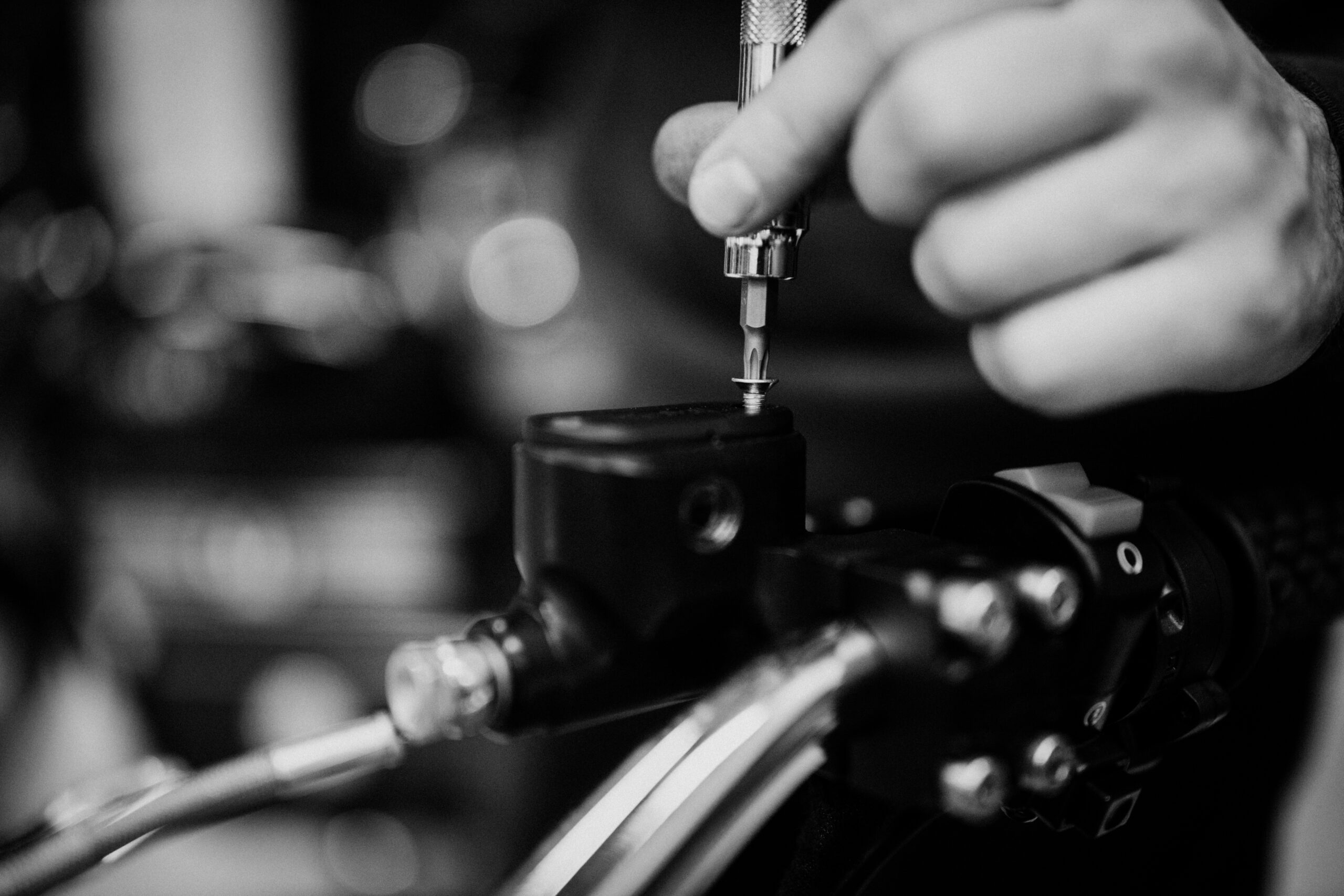
Lightweight high-tensile steel and aerospace aluminum alloys designed for extreme torsional stability across rugged terrain and paved highways.
8.3 kWh to 10.1 kWh high-density NMC pack configurations providing realistic mixed WLTP range profiles spanning 139 km to 170 km per charge.
Universal Type 2 charge port compatibility supporting 1.8 kW domestic AC wall sockets and optional 6 kW fast-charge modules reaching 80% SOC in 60 minutes.
As the international e-mobility sector matures, procurement specialists must align with emerging technological standards to prevent product obsolescence. OEM electric adventure motorcycle manufacturing focuses on five critical vector developments:
Traditional low-voltage 48V systems are rapidly being replaced by high-efficiency 72V to 96V architectures paired with liquid-cooled mid-drive or high-torque brushless hub motors. Mid-drive arrangements with central gear reductions offer optimized center-of-gravity placement, critical for aggressive off-road handling, trail navigation, and steep incline climbing capability.
Modern commercial buyers demand granular data monitoring. Next-generation BMS units incorporate active cell balancing, multi-point thermal sensors, and CAN-bus communication protocols. This allows seamless integration with smartphone operating systems like Apple CarPlay and Android Auto, providing real-time range estimation based on terrain elevation, ambient temperatures, and payload dynamics.

Adventure models demand tailored suspension tuning. Contemporary ODM developments feature 20 mm raised ground clearance, 18-inch spoked front wheels wrapped in dual-sport tread compounds, and wide ergonomics for standing rider positions. Dual-channel ABS paired with regenerative kinetic energy recovery systems (KERS) ensures precise control on loose gravel, dirt, and wet tarmac alike.
Through strategic factory customizations, exporters provide tailored brake-caliper valving, adjustable rear monoshocks, and heavy-duty bash guards engineered to withstand extreme environment stresses.
Hardware performance is now closely bound to software calibration. Advanced ECU controllers support dynamic drive modes (Eco, Street, Adventure, Turbo Boost) that alter throttle mapping, traction control thresholds, and engine braking torque curve parameters. Importers can request regional factory software presets tailored to specific country homologation limits or target consumer demographics.
Strategic B2B buyers are adjusting their supply chain models to mitigate international freight spikes, import tariff changes, and regional regulatory roadblocks. Successful importers evaluate prospective OEM/ODM factories based on the following key operational parameters: