
Explore top-rated urban e-motorcycles engineered for commercial fleet deployment, B2B distribution, and high-performance urban commuting.
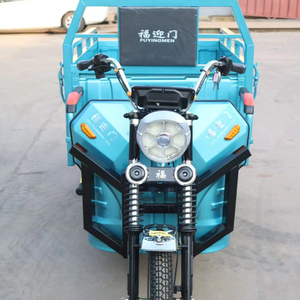
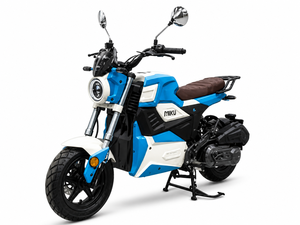
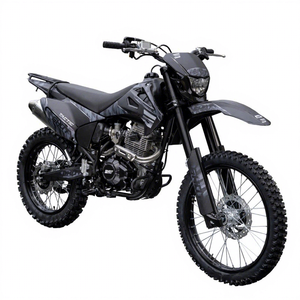
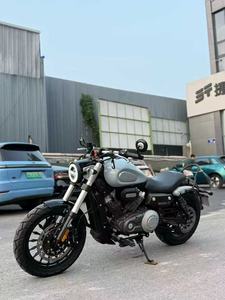
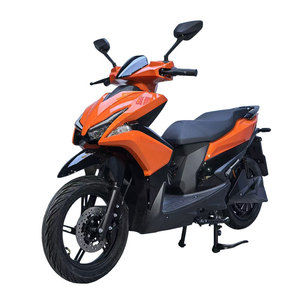
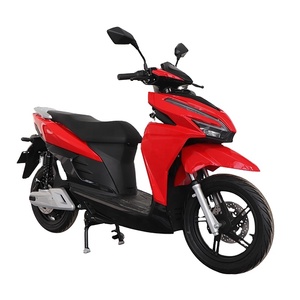
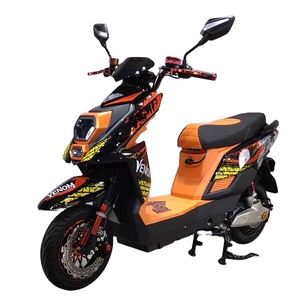
The global urban mobility ecosystem is experiencing an unprecedented structural shift. As municipal zero-emission zones (ZEZ) enforce stricter environmental mandates across European, North American, and Asian metropolises, commercial fleet operators, regional distributors, and dealership networks are aggressively re-evaluating their sourcing partners. Choosing top-tier city electric motorcycle suppliers is no longer merely a procurement exercise in unit price negotiation; it is a long-term strategic decision centered around homologation compliance, battery technology longevity, telematics integration, and residual value retention.
Urban micro-mobility and light electric vehicles (LEVs) in the L3e / A1 licensing brackets are rapidly eclipsing traditional internal combustion engine (ICE) 125cc commuter vehicles. According to recent automotive market intelligence, the worldwide demand for high-speed city electric streetbikes, retro-classic commuters, and heavy-duty cargo e-motorcycles is projected to expand at a compound annual growth rate (CAGR) exceeding 18.4% through 2030. This procurement white paper offers procurement managers, enterprise importers, and mobility investors an authoritative analysis of manufacturing dynamics, regulatory standards, engineering benchmarks, and supplier selection frameworks.
Key Strategic Takeaway for B2B Importers: Leading city electric motorcycle suppliers are separating themselves from low-tier assemblers by moving away from generic hub motors toward mid-drive architectures, integrating Automotive-grade CAN-bus telematics, and securing complete EEC/COC L3e homologation documentation upfront.
When assessing prospective OEM/ODM manufacturing partners, procurement teams must evaluate platform engineering across five core technical pillars:
High-torque liquid-cooled or advanced air-cooled brushless motors delivering continuous power outputs ranging from 2000W to 11kW, capable of 135 km/h top speeds with minimal thermal throttling.
High-density Lithium NMC or LiFePO4 chemistry with intelligent battery management systems (BMS) rated for over 1,000 full discharge cycles while maintaining >80% state of health (SOH).
Integration of standardized Type 2 (IEC 62196) charging interfaces, enabling direct access to public AC infrastructure and fast-charging optionality up to 6kW single-phase 32A.
As the international e-mobility ecosystem matures, procurement executives must anticipate technological convergence to avoid stocking obsolete inventory. Suppliers that invest heavily in research and development are introducing critical innovations that reshape commercial viability:
Legacy city electric scooters relied heavily on 48V or 60V lead-acid or rudimentary lithium setups, which suffered from severe voltage sag under high load or uphill riding. Modern commercial-grade city electric motorcycles have universally upgraded to 72V, 84V, or 96V modular architectures. Suppliers offering dual-pack configurations (e.g., 2 x 72V 20Ah or removable dual 8.3kWh / 10.1kWh packs) allow riders and last-mile delivery fleets to double operational range without taking the vehicle offline for extended charging periods.
Historically, e-motorcycle owners were dependent on bulky external brick chargers restricted to standard 1.8kW wall outlets. Top global suppliers are now installing integrated 3.3kW to 6kW on-board chargers with Type 2 charge ports. This allows urban commuters to charge from 20% to 80% in approximately 50 minutes at standard municipal AC charging stations, effectively removing range anxiety as a barrier to consumer adoption.
Enterprise buyers purchasing city electric motorcycles for delivery fleets or vehicle-sharing services require deep telemetry visibility. Leading OEM suppliers equip their frames with Automotive-grade Controller Area Network (CAN-bus) architecture. This connectivity empowers fleet operators to monitor real-time battery degradation, track vehicle locations via GPS, receive remote over-the-air (OTA) firmware updates, and conduct remote fault diagnostics directly from central software dashboards.
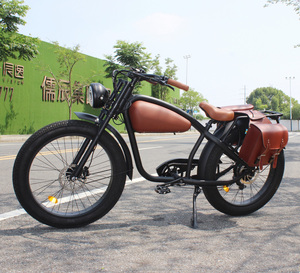
Consumer aesthetics have evolved significantly. While utilitarian design dominates last-mile delivery, premium consumer retail segments favor retro-classic styling—such as Cafe Racers, Scramblers, and Modern Vintage Cruisers—embedded with futuristic electric powertrains. Handcrafted detailings, such as brushed battery enclosures, custom leather seating, and real wood tank inserts, combined with modern TFT digital displays featuring Apple CarPlay and Android Auto, yield significantly higher retail margins for distributor networks.
Evaluating potential factory partners requires looking beyond promotional product brochures. Importers and commercial procurement directors should utilize the following multi-factor evaluation framework when auditing manufacturing plants in key hubs such as Wuxi, Zhejiang, and European artisan facilities:
Verify that models possess valid EU Whole Vehicle Type-Approval (WVTA) under L3e-A1 or L3e-A2 categories. Without valid CoC (Certificate of Conformity) documentation, vehicles cannot be legally registered or insured in European target markets.
Ensure battery cell suppliers (e.g., CATL, LG Energy Solution, Samsung SDI, or top-tier domestic lithium producers) provide UN38.3 transport testing certification, MSDS, and thermal runaway protection protocols necessary for ocean freight and customs clearance.
Look for high-tensile steel or forged aluminum alloy chassis equipped with Combined Braking Systems (CBS) or Anti-Lock Braking Systems (ABS), dual hydraulic disc brakes, and heavy-duty adjustable suspension designed for high-speed stability.
As an industry leader in premium electric two-wheeler manufacturing, our operational philosophy blends cutting-edge electric powertrain engineering with meticulous craftsmanship. Unlike high-volume mass assemblers that sacrifice build quality for volume, our production facilities—rooted in handcrafted Swedish design principles—prioritize longevity, brand exclusivity, and superior ride dynamics.
Every motorcycle undergoes rigorous hand assembly by master technicians. Every frame bolt is individually torque-checked, and every wiring harness is stress-tested to guarantee zero defect delivery.
We stand firmly behind our engineering. All vehicles feature a 24-month comprehensive factory warranty covering the frame, mid-drive motor, ECU controller, and battery pack.
Eliminate complex engine oil changes, spark plug replacements, and transmission services. Routine upkeep is limited to tires and brakes, while software diagnostics are resolved remotely.
From marketing assets and localized homologation support to spare parts logistics and technical training, we partner directly with regional importers to maximize profit margins.
Below are essential technical and commercial answers tailored for motorcycle importers, fleet purchasing managers, and automotive distributors:
Our city electric motorcycles are homologated under the EU A1 / L3e-A1 vehicle category (equivalent to 125cc ICE motorcycles). In most European jurisdictions, they can be operated with an A1 motorcycle license or a standard B car license held for at least two years with national extension training (such as the B196 extension in Germany or B-78 in Spain).
Our custom battery packs utilize premium NCM cells paired with an advanced active balancing BMS. The system is engineered to exceed 1,000 full charge-discharge cycles before experiencing a capacity drop to 80%. Under average city delivery conditions (50 km per day), the battery architecture yields a functional lifespan of 5 to 7 years.
Equipped with our standard 1.8kW onboard charger, a 0% to 80% charge from a standard 110V-230V household wall socket takes approximately 3.5 to 4 hours. When utilizing the optional 6kW Type 2 fast charger on public AC stations or wallboxes, the 20% to 80% charge duration drops to under 50 minutes.
On the standardized WLTP urban testing cycle, our 8.3 kWh pack yields 139 km, while the 10.1 kWh Long Range pack achieves approximately 170 km. Real-world range is influenced by riding mode, ambient temperature, payload weight, and highway speeds. In dense urban stop-and-go commuting, regenerative braking often extends real-world range beyond standard baseline estimates.
We support tailored OEM program partnerships for qualified distributors ordering minimum order quantities (MOQ). Options include custom frame paint finishes, bespoke leather seat stitching, branded side covers, customized digital display splash screens, and integrated telematics firmware matched to your localized fleet management software.
All sea and air shipments include a complete export documentation bundle: UN38.3 Lithium Battery Safety Test Reports, Material Safety Data Sheets (MSDS), Dangerous Goods (DG) declarations, CE certificates, and European Certificate of Conformity (CoC) matching your vehicle VIN numbers.
Expand your dealership portfolio, upgrade your delivery fleet, or secure exclusive regional distribution rights for premium Swedish-engineered electric motorcycles.
Contact Us