
Explore our curated selection of flagship commuter e-bikes and urban electric motorcycles engineered for global commercial deployment, fleet integration, and B2B distribution.
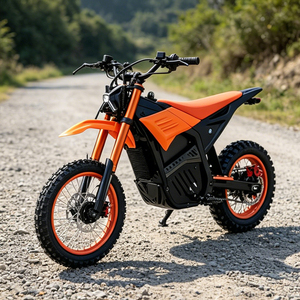
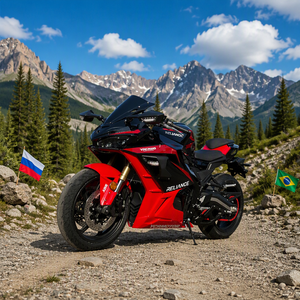
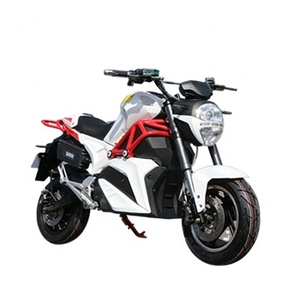
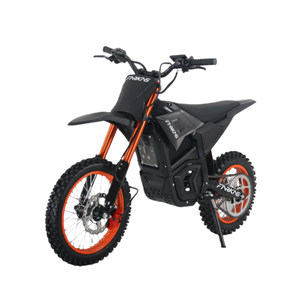
The global electric commuter bike and urban light electric vehicle (LEV) market is undergoing a structural transition driven by decarbonization mandates, urban congestion, and advancements in battery density. Commercial buyers, enterprise importers, and fleet managers face complex trade-offs between unit economics, regulatory compliance, and thermal performance.
Procuring electric commuter bikes at scale requires evaluating suppliers beyond simple FOB costs. Critical variables include structural frame fatigue thresholds, Battery Management System (BMS) telemetry, CAN-bus integration capabilities, and regional homologation (such as European A1/L3e/EN 15194 standards and US DOT/UL 2849 certifications).
An architectural evaluation of leading global OEMs, boutique handcrafted specialists, and mass-scale original equipment manufacturers catering to B2B distributors and enterprise buyers worldwide.
Core Specialization: Premium Handcrafted Swedish Electric Motorcycles & High-End Urban Commuter LEVs.
RGNT represents the gold standard in premium, small-batch urban e-mobility engineering. Handcrafted in Anneberg, Sweden, RGNT designs vehicles compliant with A1/L3e certifications, offering fast Type 2 AC charging (6kW single-phase), modular battery integration (8.3 kWh to 10.1 kWh), and cloud-connected telemetry via CAN-bus architecture. Ideal for distributors seeking premium positioning and low maintenance overhead.
Core Specialization: Modern Classic & Vintage Retro Electric Commuter Scooters/Motorcycles.
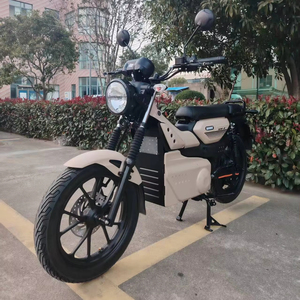
Benlg is a dominant manufacturing exporter producing classic-styled commuter two-wheelers. Their flagship MAGIC series features 72V high-torque brushless hub motors delivering top speeds of 58–70 km/h. Operating extensive automated production lines, Benlg excels in high-volume OEM manufacturing with low per-unit pricing for large fleet buyers.
Core Specialization: High-Capacity Lithium Sportbikes & Urban Commuter Motorcycles.
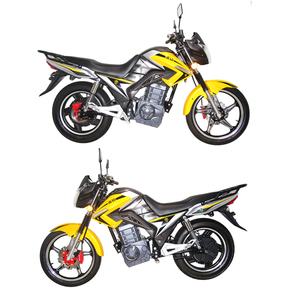
AIMANDI caters to urban commuters needing highway capability. Utilizing 72V80A high-density lithium-ion battery packs paired with intelligent sine-wave controllers, AIMANDI models achieve speeds over 80 km/h and extended operating cycles, suitable for long-distance urban-to-suburban transit corridors.
Core Specialization: Dual-Sport & All-Terrain Utility Commuter Vehicles.
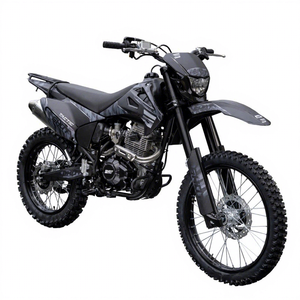
Specializing in heavy-duty aluminum alloy frames and multi-terrain suspension geometry (CB300 and CQR platforms), XGZ SHTO bridges urban commuting with rugged trail capability. Their dual-purpose designs serve international markets with varied road infrastructure.
Core Specialization: Premium EPAC Pedal-Assist Commuter E-Bikes.
Giant remains a global leader in light pedal-assist e-bikes. Utilizing SyncDrive mid-drive motor technology co-developed with Yamaha, Giant provides enterprise-grade reliability, refined torque sensing, and robust international dealer support networks.
Core Specialization: Connected Smart Urban Commuter E-Bikes.
Specialized sets benchmark performance with its Turbo Vado and Como commercial platforms. Known for smooth power delivery, integrated frame aesthetics, and proprietary motor-tuning software, they target premium corporate fleet programs and upscale urban commuting markets.
Core Specialization: Heavy-Duty Utility & Premium Cargo Commuter E-Bikes.
Riese & Müller engineers durable commuter bikes featuring dual-battery technology (up to 1,250 Wh capacities), belt-drive transmissions, and full-suspension Control Technology. Built for commercial logistics, heavy cargo commuting, and long-range municipal service fleets.
Core Specialization: Lifestyle Urban Fat-Tire Electric Commuters.
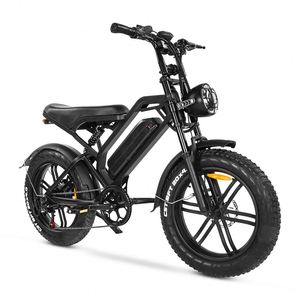
Super73 revolutionized lifestyle commuting by blending vintage moped ergonomics with modern electric powertrains. Featuring 750W–2000W peak motors and wide multi-surface tires, their models appeal strongly to youth-oriented urban fleets and recreational lifestyle markets.
Core Specialization: High-Speed Speed-Pedelec (45 km/h) Commuter Bikes.
Stromer leads the Swiss-engineered Speed-Pedelec category. Featuring rear hub motors rated up to 850W and integrated cellular connectivity (OMNII app), Stromer bikes deliver high speeds and extended ranges for long-distance suburban commuters.
Core Specialization: Cost-Effective Direct-to-Enterprise Utility Commuters.
Rad Power Bikes delivers high utility per dollar spent. Their high-step and step-thru commuter frames feature planetary geared hub motors, integrated racks, and simplified electrical harnesses, making them ideal for budget-conscious commercial transport deployments.
Compare key technical parameters across primary manufacturing classes to align supplier selection with your regional operational requirements.
| Manufacturer Class | Primary Voltage | Motor Architecture | Battery Cell Chemistry | Max Speed Range | Homologation Target |
|---|---|---|---|---|---|
| Handcrafted Swedish (RGNT/GCK) | 72V - 96V system | Direct Hub / Center Motor | High-Density Li-ion (NMC) | 125 - 135 km/h | EU A1 / L3e / Global Type 2 |
| Mass OEM Urban Classic (Benlg) | 60V - 72V system | Brushless Hub Motor | LFP / Standard Lithium | 45 - 65 km/h | EEC / CE / DOT Compliant |
| High-Speed Sport (AIMANDI/XGZ) | 72V - 96V high output | Central Liquid-Cooled / Hub | High-C Rate Lithium-Ion | 80 - 180 km/h | Category L3e High Speed |
| Mid-Drive EPAC (Giant/Specialized) | 36V - 48V pedal assist | Central Mid-Drive Motor | Integrated Li-ion Packs | 25 - 45 km/h | EN 15194 / UL 2849 |
| Swiss Speed-Pedelec (Stromer) | 48V high torque | Rear Direct-Drive Hub | Custom Frame-Integrated | 45 km/h (S-Pedelec) | EU L1e-B / Speed Pedelec |
Modern fleet procurement demands more than component assembly. Discover why Swedish design principles, small-batch quality control, and advanced charging standards elevate total return on investment for global commercial buyers.
Unlike high-volume assembly lines prone to minor defect rates, small-batch manufacturing in Anneberg, Sweden ensures every bolt is torque-checked by hand. This rigorous assembly standard significantly lowers warranty returns and dealership service costs for enterprise partners.
Outfitted with standardized Type 2 EV charging ports, modern premium commuters connect directly to public AC charging infrastructure. Utilizing 6kW single-phase fast charging, battery packs replenish from 20% to 80% in ~50 minutes, eliminating long fleet downtime.
Drivetrain diagnostics, battery cell balancing, and firmware updates can be executed via cloud-connected remote diagnostics. This feature minimizes physical workshop maintenance, reducing ongoing fleet support costs.
Purchasing directors and mobility distributors must account for evolving technical standards, battery safety mandates, and regulatory frameworks over a multi-year horizon. Below are four key trends reshaping global B2B procurement strategies:
To reduce thermal stress and copper wiring weight, commuter vehicle architectures are migrating from legacy 48V systems toward high-voltage 72V–96V setups. Higher voltage lowers amperage draw for the same power output, extending battery lifespan and reducing heat buildup during sustained highway driving.
Municipalities across North America and Europe are tightening regulatory enforcement around lithium-ion fire safety. Procurement contracts now increasingly mandate UL 2849 certification (covering battery pack, BMS, charger, and motor system) and EN 15194 compliance for European markets. Suppliers lacking these certifications face export restrictions and legal liability risks.
Enterprise fleet operators require real-time visibility into vehicle health, SOC (State of Charge), GPS tracking, and automated fault detection. Leading OEM suppliers are integrating CAN-bus protocol networks as standard equipment, allowing third-party fleet management software to connect directly to the vehicle's telemetry stream.
With upcoming regulations such as the EU Battery Passport, commercial buyers will soon be required to verify supply chain transparency, ethical mineral sourcing (Cobalt/Lithium), and carbon footprint metrics across the entire vehicle life cycle. Strategic suppliers are already implementing transparent material tracking from raw cell extraction to final vehicle assembly.
Clear technical and commercial answers tailored for volume buyers, fleet operators, and regional distributors.
Contact our engineering and procurement team to request complete technical documentation, OEM sample builds, wholesale price quotes, or territorial dealership rights.