
The global electric two-wheeler market is experiencing a profound paradigm shift. While mass-market mobility relies on automated assembly lines prioritizing volume over individuality, a distinguished tier of global importers, commercial fleet owners, and boutique dealerships are seeking trusted handbuilt electric motorcycle manufacturers. Crafting motorcycles by hand transcends aesthetic appeal; it represents a commitment to structural integrity, rigorous quality control, modular component integration, and artisanal customization. This comprehensive industry whitepaper examines the technical architectures, procurement trends, market vectors, and engineering advantages defining handbuilt electric motorcycles in today’s modern EV landscape.
Below is a curated portfolio of elite electric street bikes, rugged off-road platforms, and modular custom chassis engineered for high reliability, premium aesthetics, and demanding trail or urban environments.
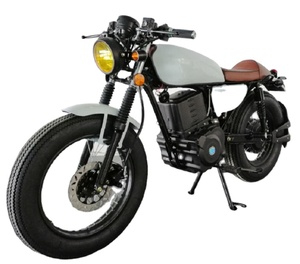
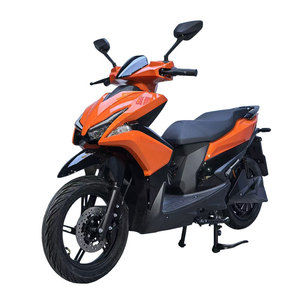
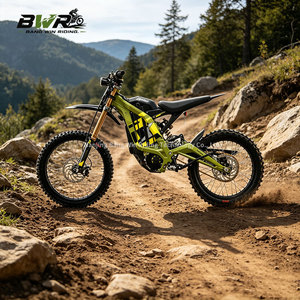
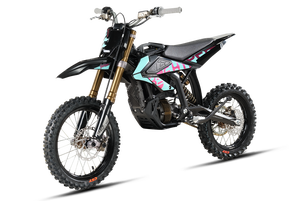
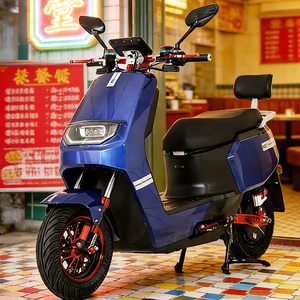
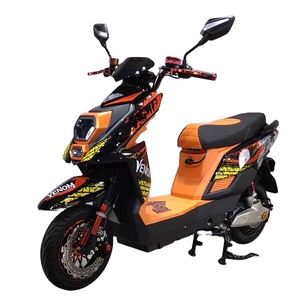
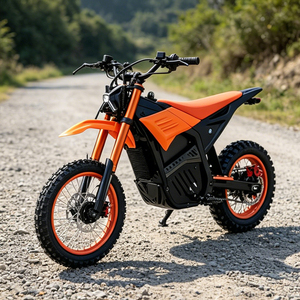
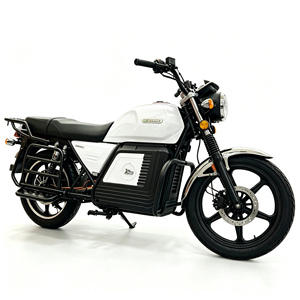
The transition from Internal Combustion Engines (ICE) to Electric Vehicle (EV) platforms has redefined the global motorcycle manufacturing paradigm. Sourcing directors and enterprise procurement officers are navigating a market that demands greater power density, thermal efficiency, connectivity, and regulatory compliance.
The industry is shifting rapidly from legacy 48V/60V lead-acid setups to 72V, 96V, and high-capacity 8.3 kWh–10.1 kWh Lithium-ion (NCM/LiFePO4) energy dense packs. Modular designs enable seamless swapping, simplified maintenance, and flexible range extensions (139 km to 170 km WLTP).
Regulatory barrier compliance is crucial for market entry. Modern handbuilt manufacturers engineer bikes to meet EEC / L3e-A1 certification. This ensures compliance with European licensing structures, allowing operation under A1 permits or standard car licenses with national extensions.
Handbuilt electric motorcycles are integrating smart CAN-bus electronics, custom digital displays supporting Apple CarPlay/Android Auto, remote telemetry diagnostics, and Over-The-Air (OTA) software patches to minimize downtime.
| Evaluation Vector | Mass-Produced Electric Two-Wheelers | Handcrafted Small-Batch Manufacturers |
|---|---|---|
| Quality Assurance & Inspection | Sample-based automated line checks (1-5% sampling rate) | 100% manual inspection; individual bolt torque-checking |
| Frame Integrity & Materials | Stamped sheet steel / high-volume cast alloy | Hand-welded high-tensile steel, birch tank trim, premium brushed metal |
| Customization & White-Label Flexibility | Fixed SKUs; high Minimum Order Quantities (MOQ > 500 units) | Bespoke geometry, custom powertrains, flexible small-batch orders |
| Charging Protocol Integration | Basic wall-plug DC adapters (0.5kW – 1.2kW) | Standardized Type 2 ports, 1.8kW onboard + 6kW fast charging options |
| Component Traceability | Batch-level serial tracking | Full vehicle-to-technician master workshop traceability |
Strategic sourcing in 2025 and beyond requires analyzing the total cost of ownership (TCO), supply chain resilience, and post-sale workshop burdens. Commercial clients are departing from cheap, disposable electric scooters toward robust, service-friendly handbuilt electric motorcycles.
1. Standardized Universal Charging Infrastructure: Commercial buyers now demand automotive-grade charging standards. Standardizing on Type 2 charge ports eliminates proprietary charging bricks. Vehicles capable of utilizing public AC infrastructure (charging from 20% to 80% in 50–60 minutes via optional 6 kW chargers) significantly reduce range anxiety and increase daily fleet utilization rates.
2. Low-Maintenance Direct Hub & Liquid-Cooled Mid-Drive Powertrains: Procurement strategies favor powertrains engineered to minimize maintenance overhead. Direct-drive hub motors and sealed brushless DC systems eliminate oil changes, chain adjustments, valve clearances, and clutch replacements. Consequently, workshop service hours are restricted primarily to wear items like brake pads, tires, and software optimization.
3. Sustainable Material Sourcing & Carbon Compliance: With strict environmental regulations expanding across Europe and North America, importing entities prioritize suppliers utilizing recyclable alloys, non-toxic finishes, and sustainable wood trims (such as natural Swedish birch accents). Small-batch manufacturing vastly reduces industrial waste during production.
Refined in workshop facilities like Anneberg, Sweden, top-tier handbuilt motorcycle manufacturers represent the pinnacle of electric two-wheeler design. Combining timeless retro aesthetics with modern EV technology, our production framework provides regional distributors, importers, and lifestyle brands with unmatched competitive leverage.
With over 600+ handcrafted vehicles built by master technicians, every bike undergoes rigorous torque testing, frame alignment verification, and road testing prior to international shipment.
Integrated telematics allow remote drivetrain diagnostic scans directly from our engineering center, ensuring local dealers receive immediate troubleshooting support for fast repair turnaround.
We maintain localized support channels across key international markets (including Germany, France, Austria, Switzerland, UK, and USA), providing territory exclusivity and robust margin potential.
Essential procurement answers for commercial buyers, importers, fleet managers, and retail partners considering custom electric motorcycles.
Connect directly with our engineering and B2B sales teams to request detailed spec sheets, discuss custom OEM configurations, or schedule a consultation for your territory distribution.