Industry Insight Report
Future Sourcing Trends in Classic Electric Street Bikes (2025–2030)
Global trade data indicates that the market for high-performance electric two-wheelers is undergoing a structural division. Low-cost electric mopeds are rapidly commoditizing due to saturated domestic supply chains in Asia. Conversely, the high-margin segment—specifically Classic Electric Street Bikes—is experiencing accelerated growth across Europe, North America, Australia, and the Middle East.
For B2B procurement managers, sourcing agents, and dealership founders, staying ahead of competitive market shifts requires understanding four macro trends shaping the classic electric motorcycle domain:
1. Regulatory Compliance & The Expansion of A1/L3e Accessibility
Urban transit laws in major markets are penalizing high-emission internal combustion engines through Low Emission Zones (LEZ) and Congestion Charges. Classic electric street bikes engineered under the European L3e-A1 homologation framework provide an unparalleled commercial advantage. In key EU jurisdictions (such as France, Spain, Italy, and Germany under national extensions like B196), holders of standard car driving licenses can legally operate A1-class motorcycles after brief practical training.
By offering an electric street bike with 11 kW continuous power (and peak capability up to 21 kW), importers tap into an vast consumer base that bypasses the stringent requirements of full motorcycle license testing.
E-E-A-T Sourcing Advisory: Homologation Efficiency
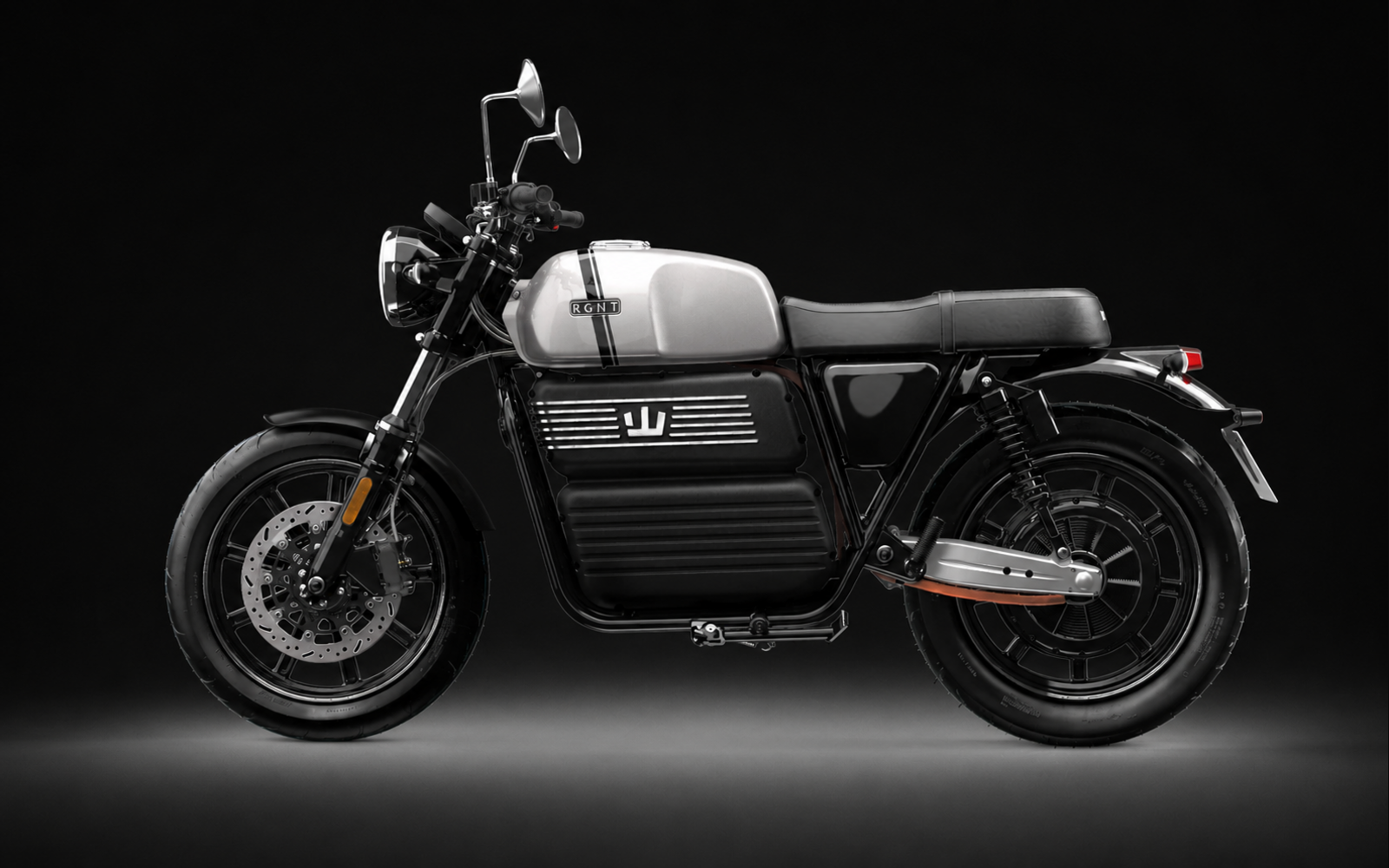
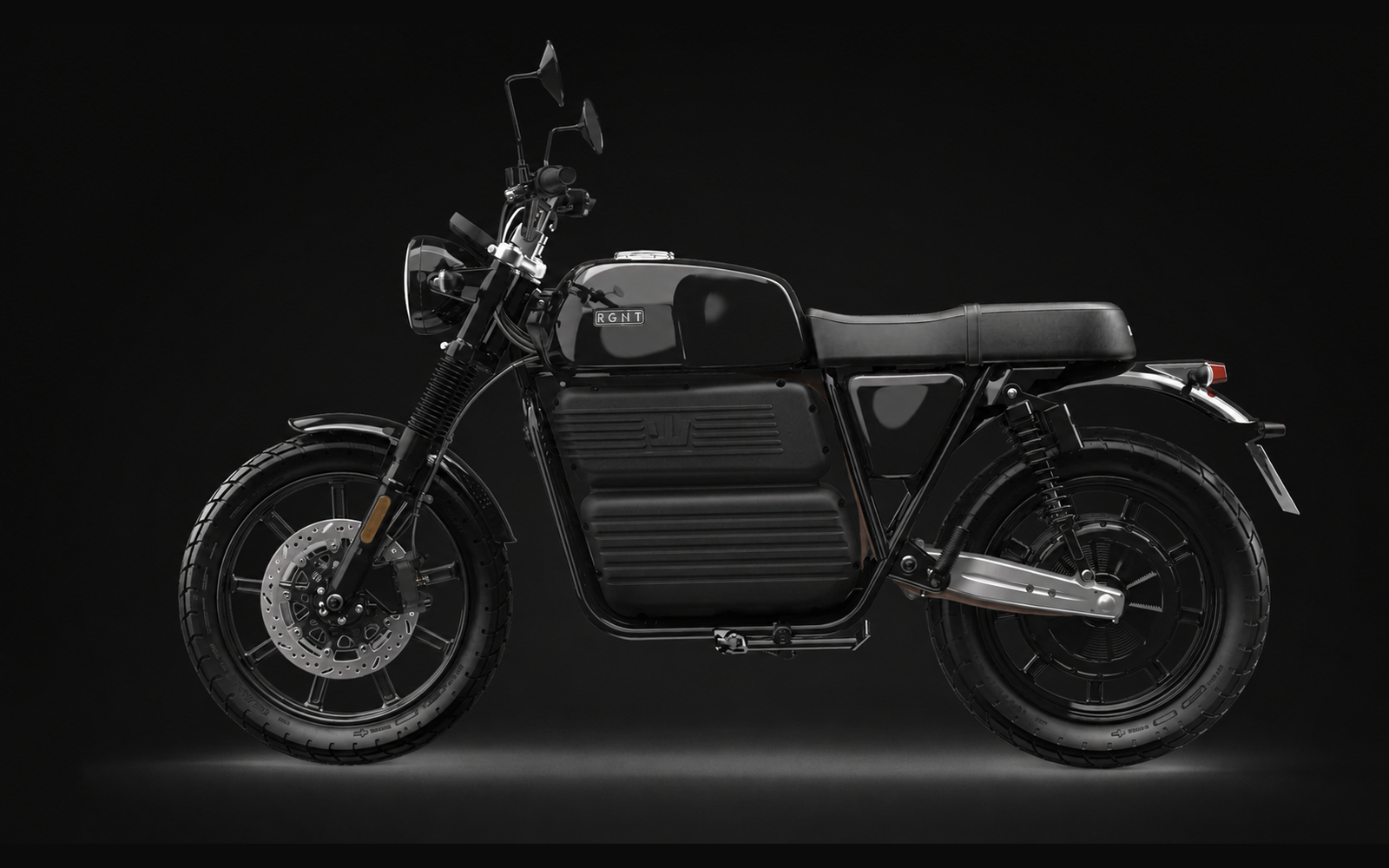
Ensure your electric street bike supplier holds active EU Type Approval (CoC - Certificate of Conformity) under Regulation (EU) No 168/2013. RGNT motorcycles are fully homologated for immediate registration across all 27 EU member states, the UK, and select US states, significantly shortening your time-to-market.
2. The Shift Towards Standardized Automotive Type 2 Fast Charging
A primary bottleneck in legacy electric motorcycle adoption was proprietary, slow charging bricks that required riders to carry heavy external power units. The future of classic electric street bikes lies in standardized AC charging infrastructure integration.
Integrating an onboard Type 2 charge connector allows riders to utilize public EV infrastructure alongside electric cars. With optional 6 kW onboard charging modules (operating on single-phase 32 A connections), battery replenish times from 20% to 80% drop to just 50 to 60 minutes. This capability renders classic electric motorcycles viable not only for urban daily commutes but also for inter-city leisure touring.
3. Battery Module Longevity & Thermal Management Economics
Procurement departments must closely evaluate battery chemistry and enclosure design. Cheap pouch cells encased in plastic housings suffer high heat build-up during sustained high-speed cruising, triggering severe thermal throttling.
Modern premium classic electric street bikes employ high-density 21700 lithium-ion cylindrical cell matrix architecture wrapped in machined alloy heat-sink enclosures. This structural configuration delivers over 1,000 full discharge cycles while retaining >80% state-of-health (SoH). For dealership networks, this translates into zero high-voltage battery replacement liabilities within the standard warranty period.
Modular Battery Architecture
8.3 kWh Standard Pack & 10.1 kWh Extended Range Pack options. Integrated solid-state relay protection and proprietary CAN-bus Battery Management System (BMS).
Automotive Grade Telematics
Touchscreen display modules with integrated GPS tracking, Apple CarPlay / Android Auto connectivity, and cloud-linked Over-The-Air (OTA) diagnostics.
4. Total Cost of Ownership (TCO) & Dealership Workshop Economics
Traditional ICE classic motorcycles require intense routine maintenance: engine oil changes, spark plug swaps, valve lash adjustments, carburetor balance tuning, and chain lubrication. In contrast, classic electric street bikes eliminate 80% of moving mechanical wear items.
Equipped with maintenance-free direct-drive hub motors or belt-driven reduction systems, the primary service requirements focus on brake pads, tires, hydraulic brake fluid flushes, and software updates. Dealerships benefit from higher sales margins and lower post-sale warranty labor costs, while end-users enjoy per-kilometer fuel savings exceeding 85% compared to petrol alternatives.