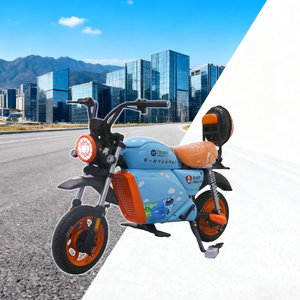
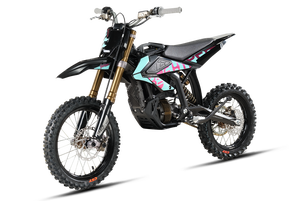
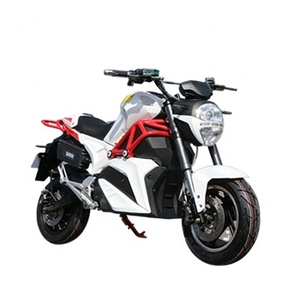
Engineered for extreme durability, European CE compliance, and optimized for Japanese road conditions and charging infrastructure.
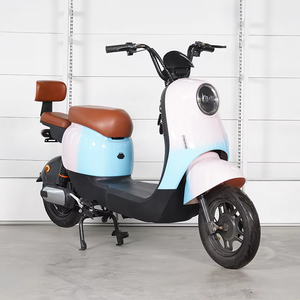
As the Japanese Ministry of Economy, Trade and Industry (METI) accelerates its target toward complete carbon neutrality by 2050, the domestic light vehicle and motorcycle market is undergoing a seismic paradigm shift. Major urban centers including Tokyo, Osaka, Yokohama, and Nagoya are enacting stringent low-emission zones while expanding incentives for zero-emission commercial and personal transport. In this shifting regulatory landscape, importing CE-certified premium electric motorcycles from experienced OEM/ODM manufacturing facilities represents a decisive competitive advantage for Japanese automotive distributors, fleet managers, and mobility operators.
Navigating Japan's stringent vehicle compliance framework—governed by the Road Traffic Act and Road Transport Vehicle Act—requires more than standard assembly. It demands meticulous integration of European safety standards (A1/L3e homologation), advanced Lithium Nickel Manganese Cobalt Oxide (NMC) or Lithium Iron Phosphate (LFP) battery chemistry, tailored charging interface conversions (Type 2 to domestic 100V/200V AC), and robust CAN-bus telemetry systems designed to withstand dense urban stop-and-go micro-climates.
Tailored powertrain configurations engineered specifically for Japan’s geographical, architectural, and commercial environment.
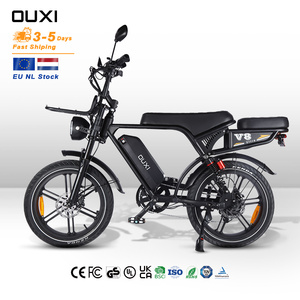
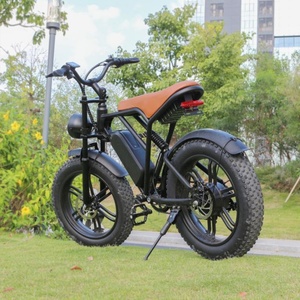
Dense metropolitan corridors demand instantaneous torque, compact footprints, and zero tailpipe emissions. High-speed 1000W to 3000W electric powertrains provide smooth acceleration through congested arterial roads, bypassing traditional fuel tax burdens while seamlessly utilizing suburban charging nodes.
Japan’s booming e-commerce and home delivery sectors (Takkyubin) require high-duty cycle electric platforms capable of carrying continuous loads up to 150kg. Equipped with heavy-duty 52V 60Ah and 72V lithium packs, these platforms offer 120Nm of torque for climbing steep residential inclines in hilly areas like Nagasaki and Kobe.
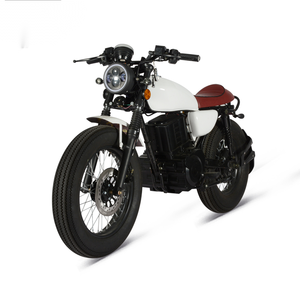
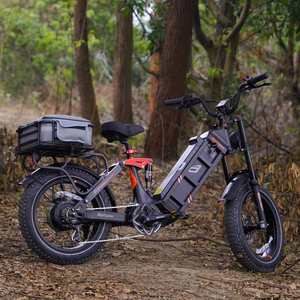
From the scenic coastal routes of Shonan and Izu to the rustic mountain trails of Hokkaido and Kyoto, classic retro cafe racers and all-terrain electric scramblers offer silence and performance. Premium handcrafted finishes and vintage aesthetic profiles appeal to Japan’s discerning lifestyle riders and tourist rental networks.
Detailed comparison of vehicle licensing categories, structural standards, and compliance engineering for export to Japan.
| Japanese Legal Category | Displacement Equivalent | Motor Power Output | Speed & Homologation | Compliance Standards |
|---|---|---|---|---|
| Class 1 Moped (原付一種) | Below 50cc | ≤ 0.6 kW (600W) | Max 30 km/h Limit | PSE Charger, JIS D 5301, Front/Rear Lighting |
| Class 2 Moped (原付二種) | 50cc - 125cc | 0.6 kW - 1.0 kW (1000W) | Up to 60 km/h | A1 / CE Euro5 Standard, Dual Brake System (CBS) |
| Light Motorcycle (軽二輪) | 125cc - 250cc | 1.0 kW - 11 kW+ | 100 - 135 km/h+ | L3e CE Certified, ABS, UN 38.3 Lithium Safety |
| Small Dual-Wheel (小型二輪) | Over 250cc | Above 11 kW Peak | Unrestricted Highway | Full Type Approval (型式認定), J1772 / Type 2 AC |
Combining Swedish design heritage with high-precision Chinese assembly infrastructure to deliver uncompromised quality.
Our battery packs utilize automotive-grade Lithium NMC and LFP cells enclosed in brushed aluminum IP67 waterproof casings. Managed by proprietary BMS smart controllers, the system protects against over-charging, thermal runaway, sub-zero temperature degradation (essential for northern Japanese winters), and excessive vibration, guaranteeing over 1,000 full charge cycles with less than 15% capacity degradation.
Inheriting precision engineering methodologies from Swedish workshops, our production lines balance small-batch artisan assembly with large-scale OEM export capabilities. Every single motorcycle undergoes rigorous end-of-line dyno testing, frame alignment verification, and torque checks on every critical fastener to ensure zero defects upon arrival at Japanese ports.
Equipped with standardized European Type 2 charge ports and optional 6 kW single-phase fast-charging modules, our vehicles charge from 20% to 80% in as little as 50 minutes. For Japanese domestic commercial users, we provide PSE-certified transformer modules compatible with standard 100V single-phase and 200V Japanese wall outlets.
Modern Japanese dealership networks benefit from minimal workshop downtime. Our integrated smart controllers feature remote CAN-bus diagnostics, allowing fleet managers and technical personnel to perform remote troubleshooting, monitor battery degradation metrics, and push over-the-air firmware updates without physical factory returns.
Essential information regarding customs clearance, safety certifications, shipping protocols, and localized aftermarket support.
To legally import and register electric motorcycles in Japan, the vehicle's battery charger must possess the PSE (Product Safety of Electrical Appliance & Materials) mark. Furthermore, the lithium battery system must comply with UN 38.3 transport safety protocols, and the chassis must meet Ministry of Land, Infrastructure, Transport and Tourism (MLIT) structural requirements. Our factory handles all necessary documentation, test reports, and factory audits to guarantee full compliance prior to shipment.
Our exported vehicles come standard with dual-voltage intelligent charging units that auto-detect input voltages between 90V and 240V AC. For Japanese commercial clients operating standard 100V domestic sockets or 200V industrial outlets, we supply custom PSE-certified charging cables with standard Japanese Type A/B or industrial plugs, maintaining optimal charging curves without overheating local circuitry.
Yes. We specialize in comprehensive B2B OEM and ODM partnerships. We support custom frame colorways, branded laser-etched battery casings, custom digital dashboard UI localized in Japanese, and flexible packaging arrangements including CBU (Completely Built Up), SKD (Semi-Knocked Down), or CKD (Completely Knocked Down) to optimize Japanese import tariffs under HS Code 8711.60.
Our NMC and LFP battery packs are engineered with internal thermal management layers and active BMS cell balancing. In cold regions like Hokkaido or Nagano where temperatures drop below zero, our intelligent thermal protection limits degradation to less than 8-12%, compared to up to 30% on non-regulated battery packs. Battery packs carry a minimum factory warranty of 2 years or 10,000 km, with expected cycle life exceeding 1,000 full charge-discharge cycles.
For standard production models, our base MOQ starts at 5 to 10 units for evaluation fleets. Customized OEM orders typically require a 20ft container (approx. 24-32 units depending on model packaging). Manufacturing lead times average 25-30 days, with direct sea shipping from our coastal facility to Japanese ports taking approximately 5 to 9 days.
We provide direct factory-to-dealer technical support, including 100% telemetry diagnostic coverage via CAN-bus logs. We supply a mandatory 3% spare parts package (controllers, throttles, LED assemblies, sensors) with every container order and maintain express air-freight replacement channels for major components like hub motors and battery packs.
Expand your distribution network or modernize your commercial fleet in Japan with high-performance, compliant, and beautifully crafted electric motorcycles.
Contact Us