
Engineered specifically for heavy duty transportation, extreme weather durability, and rapid ROI in the West African market. Below is our curated selection of high-torque, heavy-payload electric two-wheelers available for bulk export to Nigeria.
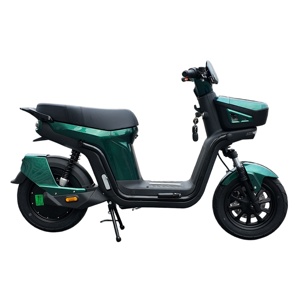
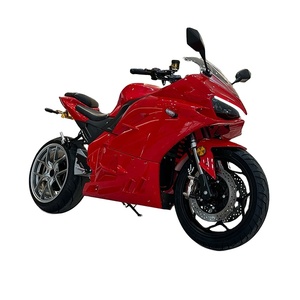
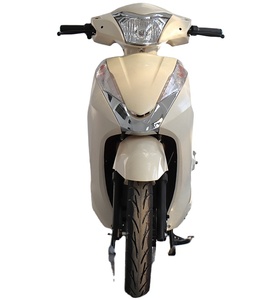
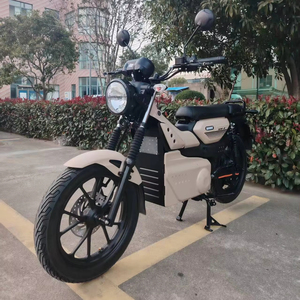
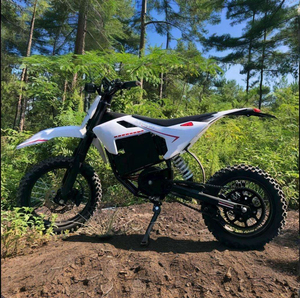
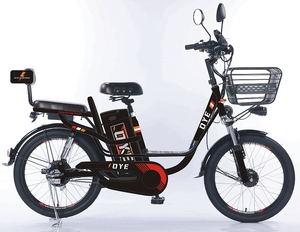
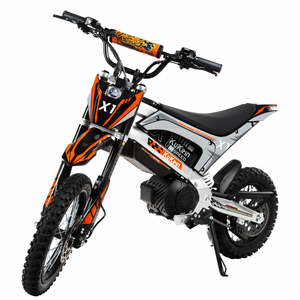
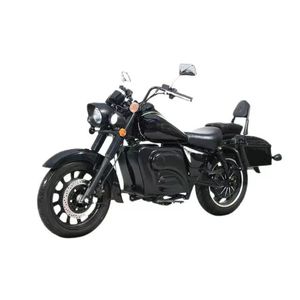
Nigeria represents Sub-Saharan Africa’s largest market for two-wheeled transportation. Historically dominated by internal combustion engine (ICE) motorcycles—commonly utilized for commercial passenger transport (Okada) and last-mile courier services—the market is undergoing a seismic structural pivot. Following the federal deregulation and complete removal of the Premium Motor Spirit (PMS) fuel subsidy, operating expenditures for petrol-powered fleets have escalated by over 300%. Fleet operators, municipal mobility logistics providers, and private commuters in key economic hubs such as Lagos, Abuja, Kano, Ibadan, and Port Harcourt are urgently turning to high-efficiency, zero-emission commuter electric motorcycles to preserve operating margins.
As a premier global supplier and exporter specializing in heavy-duty electric mobility solutions, our manufacturing framework directly resolves the core pain points of West African urban logistics: fuel price volatility, high mechanical maintenance costs, extreme thermal ambient conditions, and severe road surface stress. By combining high-density Lithium Iron Phosphate (LiFePO4) battery chemistries, reinforced carbon-steel chassis engineering, and high-torque hub motor configurations, our export-spec electric motorcycles deliver an unprecedented total cost of ownership (TCO) advantage.
SEO & Intent Mining Insight: Search intent among Nigerian B2B buyers and importers has shifted from basic product inquiry to technical viability—specifically focusing on payload tolerances (200kg+), thermal management in 40°C+ ambient heat, off-grid solar charging compatibility, and landed CKD/SKD tariff structures under SONCAP guidelines.
To evaluate the commercial viability for fleet managers, logistics aggregators, and commercial distributors serving the Nigerian market, a rigorous total cost of ownership comparison is essential. Below is an operational breakdown based on 100 km daily commercial duty cycles over a 24-month horizon.
| Operating Metric | Legacy Petrol Motorcycle (125cc-150cc) | Our Export Commuter EV (3000W-5000W) | Commercial Advantage |
|---|---|---|---|
| Daily Fuel / Energy Cost (100km) | ₦6,500 – ₦8,500 (PMS @ Current Tariff) | ₦1,200 – ₦1,800 (Off-Peak Off-Grid Solar/Grid) | 75% - 82% Savings |
| Routine Service Interval | Every 1,500 km (Engine Oil, Filters, Spark Plugs) | Every 10,000 km (Brake Pads & Tire Rotation Only) | 85% Less Downtime |
| Powertrain Maintenance | Piston rings, carburetor adjustments, clutch plates | Direct Hub / Brushless Motor (Zero Moving Parts) | Zero Engine Repairs |
| Thermal Resilience | Overheating risk in dense traffic standstill | Active Air/Heat-Sink Cooling + IP67 Sealed Motor | High Traffic Endurance |
| Estimated Payback Period | N/A (Sunk Operating Cost) | 5.5 – 7 Months of Active Commercial Operation | Rapid Capital ROI |
Designing commuter electric motorcycles for export to Nigeria requires deep engineering alignment with local geographical, infrastructural, and economic realities. Unlike standard European or domestic urban electric scooters, motorcycles exported to West Africa must endure distinct operational stresses:
In congested urban corridors like Lagos (Ikeja, Lekki, Victoria Island, Yaba), delivery riders face multi-hour traffic gridlocks. Our electric commuters feature instant low-end torque for quick stop-and-go maneuvers, integrated dual-battery swaps, and reinforced heavy-rear cargo racks capable of carrying 150kg insulated delivery boxes without compromising balance.
Serving suburban arterial routes across Ibadan, Benin City, and Enugu, commercial transport requires high passenger load resilience. Our heavy-duty frames feature dual hydraulic rear shock absorbers, extended seat cushions, and wide pillion footrests engineered for two adult passengers under continuous daily usage.
Tropical rainy seasons cause severe flash flooding and unpaved, pothole-heavy roads across many municipal sectors. Our export units feature elevated ground clearance (up to 220mm), 17-inch/18-inch spoke wheels, and fully IP67 waterproof-rated electric hub motors, allowing safe traversal through standing water up to 450mm deep.
Standard export motorcycles often fail prematurely in Sub-Saharan Africa due to heat-induced battery degradation and structural frame fractures. Our engineering philosophy incorporates Scandinavian precision manufacturing combined with rugged industrial specifications tailored specifically for emerging market duty cycles:
We utilize Lithium Iron Phosphate (LiFePO4) cell architecture over traditional NMC (Nickel Manganese Cobalt) due to its superior thermal runaway protection and extended cycle life. Operating in ambient temperatures exceeding 40°C, our intelligent Battery Management Systems (BMS) dynamically regulate current discharge rates, prevent cell imbalance, and mitigate overcharging risks during irregular grid voltage spikes common in municipal power supplies.
Confronted with heavy payloads and steep inclines, our brushless DC (BLDC) hub motors and mid-drive motors deliver peak torque output ranging from 120 Nm to 350 Nm. Frame construction utilizes high-tensile cold-drawn tubular steel, subjected to 500,000-cycle robotic stress vibration testing before export assembly.
The electrification of two-wheelers in Nigeria is accelerating due to supportive national policy shifts and private sector investment. The National Automotive Design and Development Council (NADDC) has instituted progressive targets to transition 30% of locally utilized vehicles to electric power by 2030. Key trends driving bulk procurement include:
All export models conform strictly to EEC/COC, CE, ISO9001, and UN38.3 battery transport safety standards. We provide complete documentation support for SONCAP (Standard Organization of Nigeria Conformity Assessment Program) compliance and Form M processing.
From custom bodywork colorways, branded fleet decals, and customized speed limiters (governed for local municipal regulations) to IoT telematics tracking integration, we deliver turnkey OEM electric motorcycle solutions tailored for your business brand.
We guarantee long-term spare parts availability—including controllers, motors, lithium cells, tires, and body panels. Packed in heavy-duty 40HQ export containers with specialized anti-vibration framing, we ship directly to Apapa, Tincan Island, and Onne ports.
Importing electric motorcycles into Nigeria requires a SONCAP certificate issued by accredited inspection agencies (such as SGS, Intertek, or Cotecna), an authorized Form M registered via a Nigerian Commercial Bank, and a Pre-Arrival Assessment Report (PAAR). Our compliance export team handles all factory-side technical test reports (CE, MSDS, UN38.3) to ensure seamless customs clearance at Lagos ports.
Our chargers are built with wide-input voltage tolerance (110V–265V AC) with integrated surge protection against high-voltage spikes and brownouts. Additionally, our batteries seamlessly interface with commercial solar inverter systems (48V/72V off-grid DC setups) and standalone petrol/diesel generators without damaging battery cell health.
For standard export models, our minimum order quantity starts at 10 units for sample evaluation. For full container load (FCL) orders (approx. 32-45 units in a 20GP container or 70-105 units in a 40HQ container), we provide wholesale B2B tiered pricing, customized logo branding, and complimentary spare parts packages (3% to 5% of order value).
Yes. Models equipped with our 3000W to 8000W high-torque brushless motors feature a hill-climbing capability of 25° to 35° under a full 200kg payload. Dual-stage hydraulic rear suspension and heavy-duty swingarms prevent frame deflection on unpaved or damaged road surfaces.
We provide a 2-year warranty on the lithium battery pack, motor, and electronic controller. For regional distributors and fleet operators, we offer remote diagnostic software training, video technical support, and onsite engineering assistance for set-up of SKD assembly operations.
Factory production lead time typically ranges between 20 and 30 days depending on OEM customization parameters. Ocean freight transit time from our export port to Apapa/Tincan Island Port in Lagos is approximately 30 to 40 days.
Accelerate your fleet transformation or establish your regional electric vehicle dealership in Nigeria. Contact our international export department today for bulk pricing catalogs, SONCAP certification details, and technical specifications.