
The Dutch E-Mobility Transition: Strategic Opportunities for Electric Motorcycle Importers & OEM Manufacturers
The Netherlands stands at the absolute epicenter of Europe’s transition toward zero-emission transportation. With dense urban hubs across the Randstad region (Amsterdam, Rotterdam, The Hague, and Utrecht), extensive cycling and light electric vehicle (LEV) infrastructure, and stringent municipal environmental guidelines, the market demand for handbuilt, premium electric motorcycles has escalated rapidly. As Dutch cities enforce Zero-Emissiezones voor Stadslogistiek (Zero-Emission Zones for City Logistics) starting in 2025, commercial fleets, urban commuters, and lifestyle riders are shifting away from internal combustion engine (ICE) vehicles toward high-efficiency, zero-emission two-wheelers.
Regulatory Alignment: Navigating RDW Homologation, EEC Whole Vehicle Type Approval, and BPM Tax Advantages
Exporting electric two-wheelers into the Netherlands requires strict compliance with European Union type-approval frameworks enforced locally by the RDW (Rijksdienst voor het Wegverkeer). Our production facilities operate under rigorous ISO 9001 quality management systems, engineering motorcycles that meet EU Regulation 168/2013 for L3e-A1 and L3e-A2 vehicle classifications.
Every handbuilt electric motorcycle dispatched to Dutch distributors comes accompanied by a valid Certificate of Conformity (CoC). This document streamlines the RDW registration process, enabling frictionless license plate issuance (geel kenteken) for end customers. Furthermore, electric motorcycles imported into the Netherlands benefit from zero fiscal BPM (Belasting van Personenauto's en Motorrijwielen) taxation and zero annual road tax (motorrijtuigenbelasting), delivering a substantial Total Cost of Ownership (TCO) advantage over traditional petrol motorcycles.
Handbuilt Engineering Precision & Modular OEM Manufacturing
Our manufacturing philosophy marries Swedish-inspired handcrafted design principles with industrial-grade OEM production scale. In our specialized assembly lines, master technicians hand-finish key aesthetic components—including hand-stitched marine-grade leather seating, brushed aircraft-grade aluminum chassis frames, and custom tank finishes—while automated robotic units execute high-precision frame welding and torque-verified mechanical assembly.
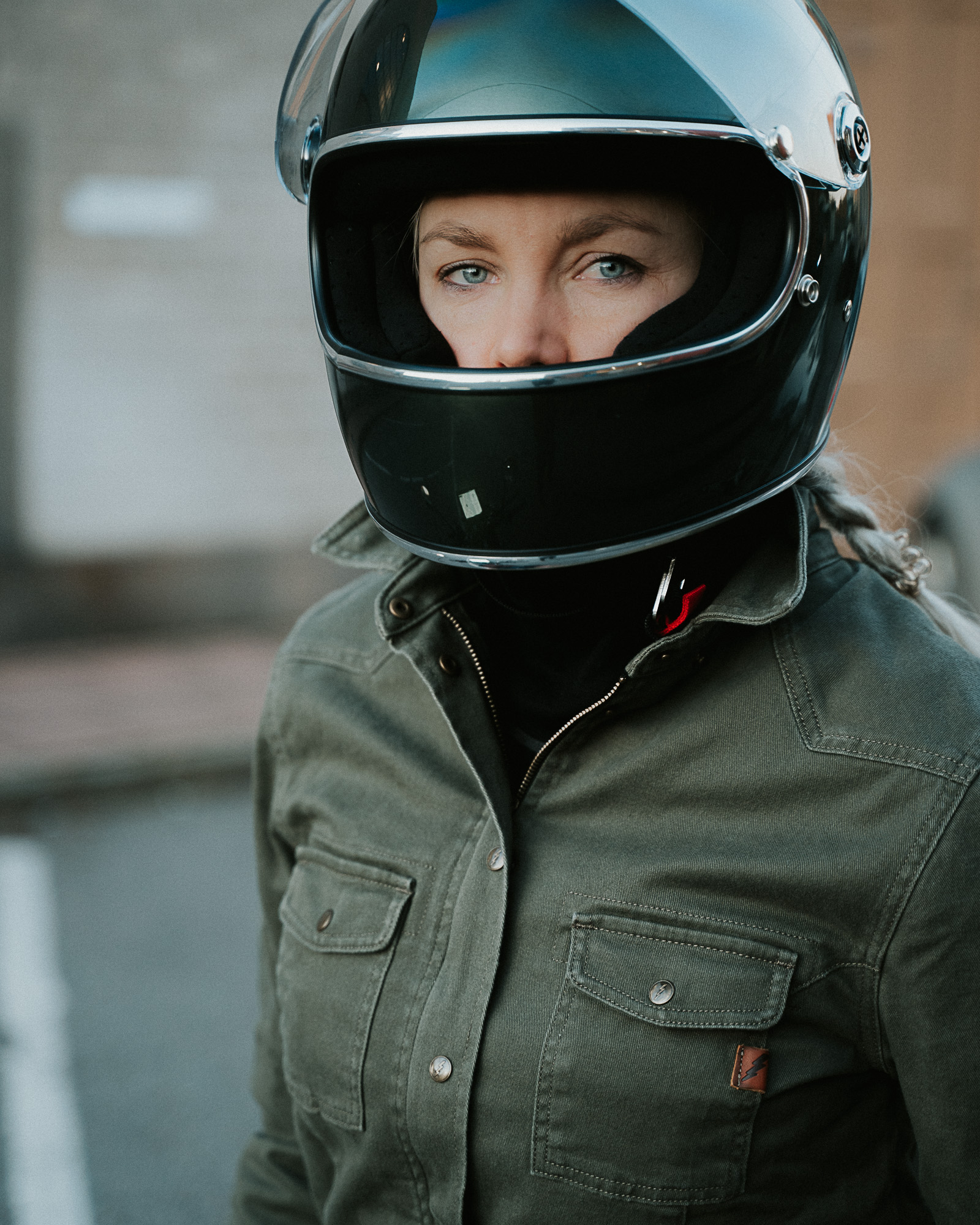
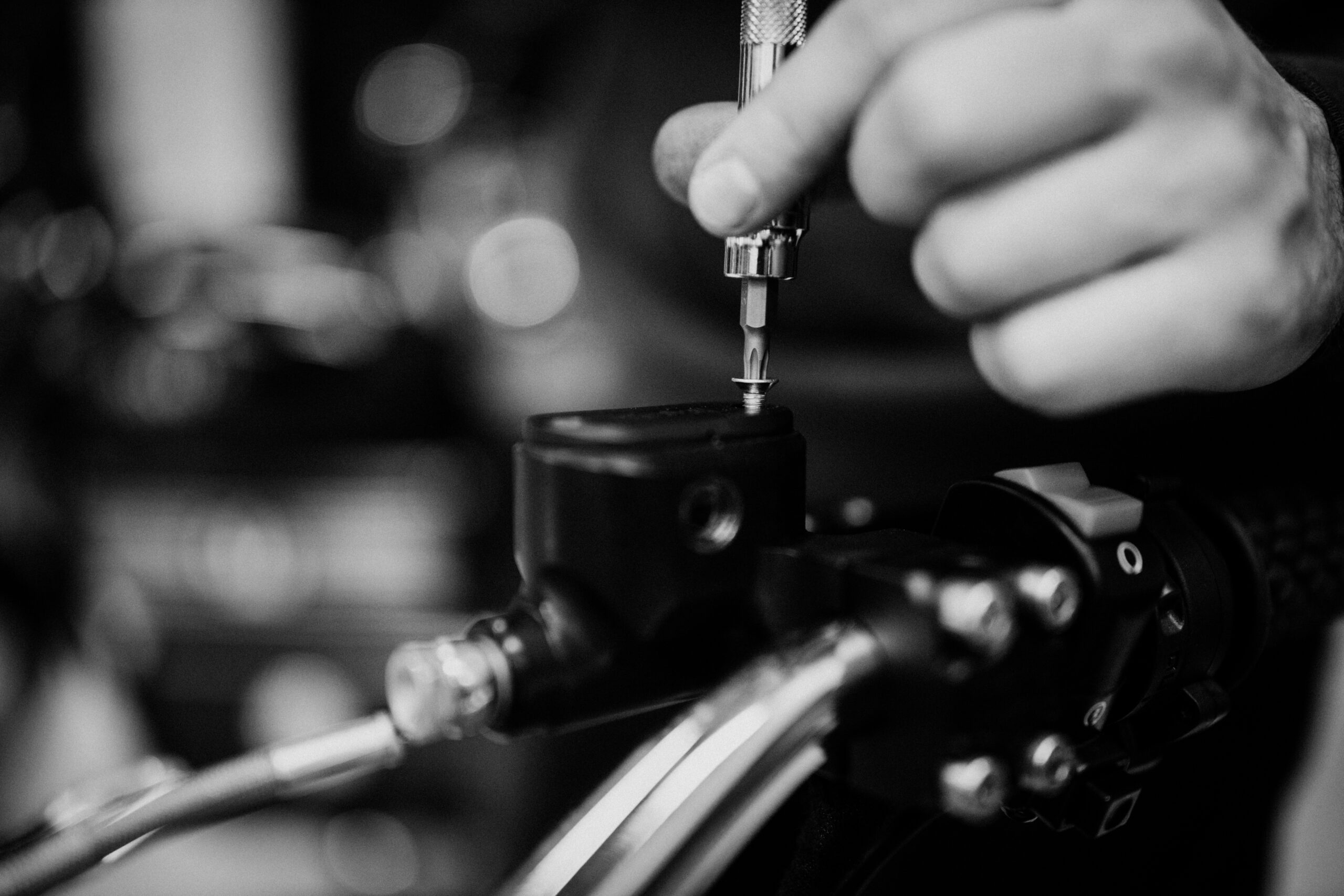
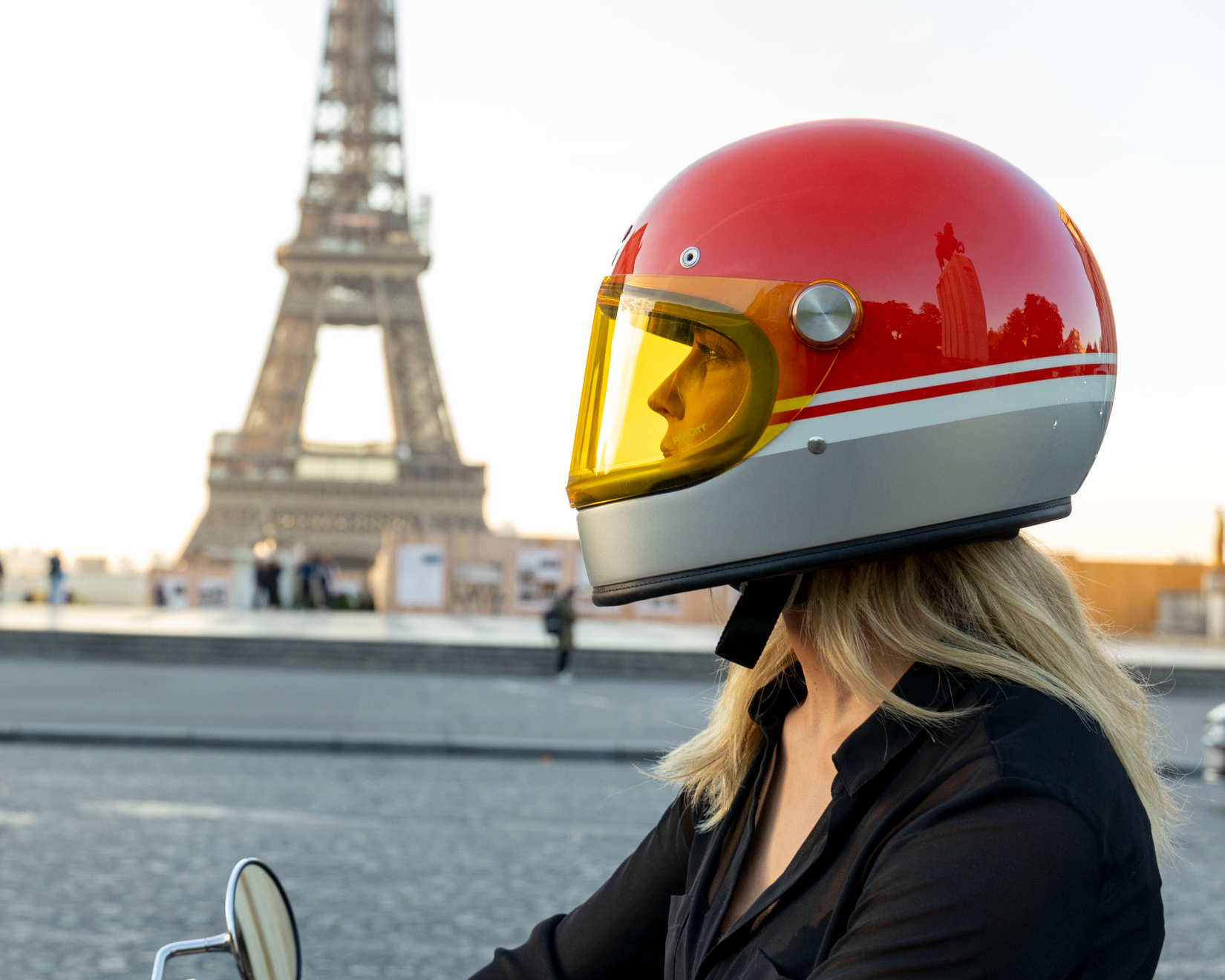
The core powertrain architecture centers around smart, high-density Lithium-ion battery packs engineered with advanced BMS (Battery Management System) hardware. Utilizing premium CATL or LG Chem cells, our battery units feature active thermal monitoring, CAN-bus communication diagnostics, and over 1,000 full charge-discharge cycles while retaining over 80% original state-of-health (SoH). Power delivery is controlled via high-efficiency sinusoidal FOC (Field Oriented Control) vector controllers, delivering instantaneous torque, whisper-quiet operation, and regenerative braking energy recovery.
Technical Specification Matrix: Handbuilt Electric Motorcycles for the Benelux Market
The following performance matrix illustrates our OEM/ODM platform capabilities tailored for Dutch distributors, vehicle rental operators, and commercial fleet managers:
| Model Platform | Motor Powertrain | Battery Capacity | Top Speed | WLTP Urban Range | Charging Interface | EU License Class |
|---|---|---|---|---|---|---|
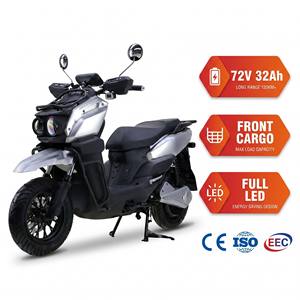
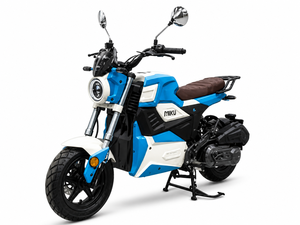
| Street Classic Retro | 6.0 kW Hub / Mid-Drive | 72V 52Ah Lithium (3.7 kWh) | 90 km/h | 110 km | Standard / Type 2 Adapter | L3e-A1 / B Code 196 |
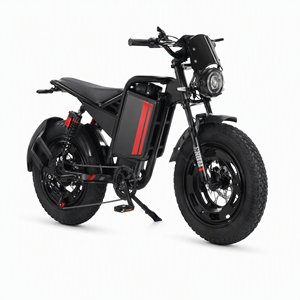
| Urban Scrambler SE | 11.0 kW Peak Mid-Drive | 8.3 kWh Modular Pack | 120 km/h | 139 km | 1.8 kW Onboard + 6 kW Type 2 | L3e-A1 (125cc Eq.) |
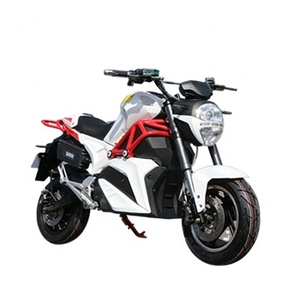
| Cafe Racer GT Exporter | 14.0 kW Dual-Mode Drive | 10.1 kWh High-Density NCM | 135 km/h | 170 km | 6.0 kW Single-Phase Fast Charge | L3e-A1 / A2 Compliant |
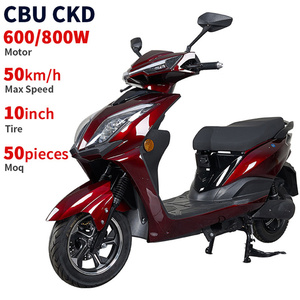
| Heavy-Duty Commercial Moped | 2000W / 3000W Rear Hub | 60V 30Ah Dual Swappable | 45 km/h / 60 km/h | 120 km (Dual Battery) | Household Socket (230V AC) | L1e-B (Moped / Bromfiets) |
Localized Application Scenarios in the Netherlands
Understanding user intent and riding conditions within the Dutch landscape is essential for product-market fit. Our electric motorcycles are engineered specifically for four primary Dutch operational profiles:
1. Randstad Intercity Commuting (Amsterdam - Utrecht - Rotterdam Corridor)
Intercity transit in the Netherlands demands vehicles capable of maintaining 100 km/h cruising speeds on highways (such as the A4, A2, and A12) while providing agile handling when exiting into congested municipal centers. Our L3e-A1 models offer rapid acceleration (0-50 km/h in under 3.2 seconds), enabling riders to navigate highway merges safely and bypass morning rush-hour bottlenecks.
2. Last-Mile Commercial Delivery & Zero-Emission Fleet Operations
With Dutch municipalities mandating zero emissions for commercial transport within urban environmental zones, logistics operators are actively replacing light commercial vans with heavy-duty electric cargo mopeds and motorcycles. Built with reinforced steel chassis, dual-disc hydraulic braking systems, and modular rear luggage mounts, our commercial-grade electric two-wheelers handle payload capacities exceeding 180 kg without sacrificing stability or range.
3. Coastal & Rural Tourism (Zeeland, Veluwe, & Frisian Islands)
The quiet, low-noise nature of our handbuilt electric motorcycles makes them ideal for rental fleets operating near eco-sensitive regions, coastal dunes, and national parks. Vacationers experience smooth, vibration-free touring along Dutch leisure routes without contributing noise or atmospheric pollution.
4. Corporate Mobility Programs (MIA / VAMIL Fiscal Incentives)
Dutch enterprise buyers can take advantage of government subsidies such as MIA (Milieu-investeringsaftrek) and VAMIL (Willekeurige afschrijving milieu-investeringen) when acquiring fleets of electric motorcycles. These environmental investment tax allowances dramatically lower net corporate tax burdens, making electric fleet adoption a financially compelling corporate strategy.