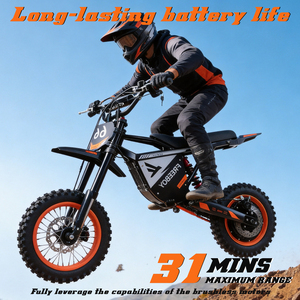
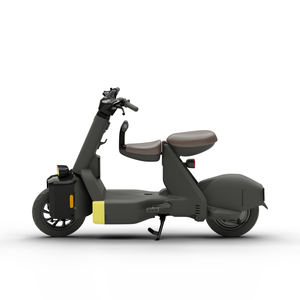
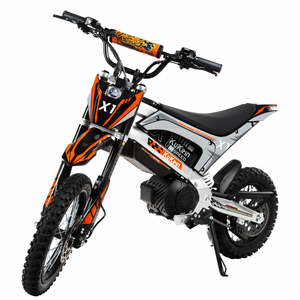
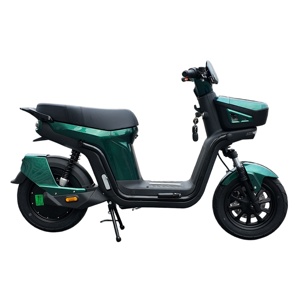
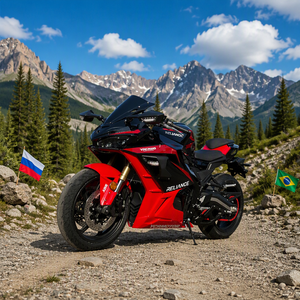
Engineered for New Zealand's diverse topography—from urban corridors in Auckland to rugged Canterbury agricultural tracks.
New Zealand's micro-mobility and power-sports industries are undergoing a structural shift toward clean electrification. Driven by the New Zealand Government's emissions reduction mandates, local councils' transport decarbonization initiatives, and rising fuel overheads across both North and South Islands, commercial importers and fleet dealers face an escalating demand for high-capacity, long-range electric motorcycles.
Historically, early-generation electric two-wheelers suffered from severe range anxiety, thermal throttling under steep incline loads (such as the Crown Range Road or Rimutaka Hill), and inadequate charging port standardization. Today, advanced manufacturers integrate high-voltage lithium battery architectures (ranging from 8.3 kWh to 10.1 kWh packs and 96V high-capacity setups), active liquid-cooling center motors, and CCS/Type 2 AC fast-charging compatibility. This whitepaper analyzes how specialized exporters optimize long-range electric motorbikes specifically tailored for New Zealand's Waka Kotahi (NZTA) regulatory frameworks, varied climatic profiles, and rugged road geographies.
Engineered with precision craftsmanship, advanced powertrain electronics, and resilient battery management systems.
Utilizing high-grade NMC and LiFePO4 cells rated for 1,000+ full charge cycles. Configurations span standard 8.3 kWh modules up to 10.1 kWh extended packs, providing real-world WLTP-tested ranges between 139 km and 170 km per single charge.
Mid-mounted central motors with 15 kW peak output equipped with dynamic water-cooling circuits. This prevents thermal degradation during continuous high-speed highway cruising at 100-135 km/h across New Zealand State Highways.
Fully compliant with New Zealand's ChargeNet public AC infrastructure and domestic 230V mains power. Standard 1.8 kW onboard chargers provide steady overnight replenishment, while optional 6 kW single-phase fast chargers reduce 20-80% top-ups to under 50 minutes.
Pre-certified under international L3e motorcycle categories for seamless road certification via NZTA inspectors. Features integrated cloud-based diagnostic telematics allowing exporters and dealers to run OTA firmware updates and drivetrain checks remotely.
For New Zealand motor distributors, evaluating long-range capability requires understanding the interaction between energy storage capacity, motor efficiency, vehicle curb weight, and aerodynamic drag.
New Zealand's South Island frequently experiences sub-zero winter temperatures, which can severely compromise unheated lithium batteries. Premium export-grade motorcycles integrate active Thermal Management Systems (TMS) within brushed alloy or structural aluminum battery enclosures. These enclosures regulate internal cell temperatures to maintain nominal voltage output even during winter rides through Southland and Otago.
While urban commuters utilize 3000W to 8000W rear hub motors for zero-maintenance daily riding, heavy-duty applications—such as high-speed touring or multi-surface scramblers—employ mid-mounted central motors with belt or chain reduction drives. Mid-motor placement delivers a balanced 50:50 weight distribution, essential for maintaining traction on unpaved gravel roads across the King Country and West Coast regions.
Long-range efficiency is enhanced by multi-stage regenerative braking algorithms. By recapturing kinetic energy during downhill descents (such as traversing the Kaimai Ranges), the vehicle recharges its battery pack while minimizing brake pad wear. Paired with dual-channel ABS and multi-piston hydraulic disc brakes, riders experience optimal safety and controlled stopping power.
Technical comparison across key long-range motor scooter and motorcycle export configurations.
| Vehicle Platform | Motor Architecture | Battery Specs | Real-World Range | Top Speed | NZ Target Application |
|---|---|---|---|---|---|
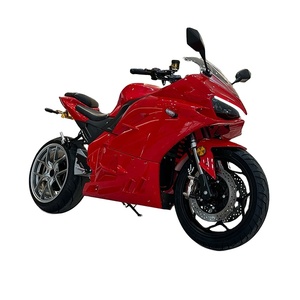
| High-Speed Racing Cruiser | 15 kW Water-Cooled Mid Motor | 96V 10.1 kWh Lithium | 150–170 km | 180 km/h | Intercity Highway Travel & Enthusiast Fleets |
| Single-Arm Super Bike | 8000W Single Rear Arm Motor | 72V 30Ah Dual Pack | 120–140 km | 165 km/h | Urban Performance & Express Commuting |
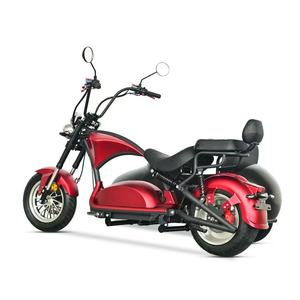
| Retro Classic / Scrambler | 6 kW Continuous Hub Motor | 8.3 kWh Standard Pack | 139 km (WLTP) | 135 km/h | Daily Commuting & Suburban Touring |
| Vintage Utility Sidecar | 3000W 18-Tube High Torque | 60V/72V 30Ah Lithium | 80–110 km | 65 km/h | Agri-Tourism, Eco-Resorts & Farm Cargo |
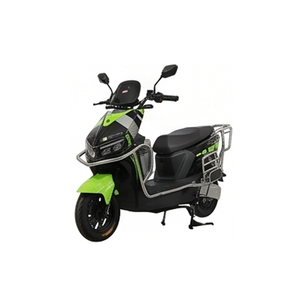
| Heavy Duty Urban Scooter | 1000W Strong Torque Hub | 48V 20.8Ah Aluminum Frame | 60–80 km | 55 km/h | Last-Mile Courier & Campus Mobility |
Commercial buyers and regional importers must align vehicle selections with specific geographic and operational requirements across New Zealand's regions:
Urban congestion in Auckland (SH1 corridor) and Wellington's steep suburban hills demand rapid throttle response and zero low-end lag. Long-range electric street bikes allow commuters to complete multi-day suburban runs—from North Shore to Auckland CBD or Lower Hutt to Wellington Central—on a single weekly charge, benefiting from bus lane access and reduced emissions charges.
On New Zealand dairy farms, orchards, and vineyards, silent three-wheeled sidecar configurations and heavy-duty electric motorbikes are rapidly replacing traditional petrol quad bikes. The silent drivetrain prevents livestock disturbance, while heavy-duty torque motors easily navigate mud, gravel tracks, and rolling pasture hills without gas fumes or oil maintenance.
Tourism operators in Queenstown, Wanaka, and Nelson are adding classic retro electric street bikes and scramblers to their rental fleets. The silent operation allows tourists to experience scenic coastal highways and alpine landscapes without noise pollution, while 6 kW fast-charging infrastructure enables rapid turnarounds between rental sessions.
Our manufacturing philosophy combines small-batch precision engineering with strict industrial quality assurance. Every long-range electric motorcycle built for export undergoes rigorous testing before international shipping:
Clear answers regarding import compliance, vehicle licensing, battery warranties, and local shipping logistics for New Zealand importers.
Expand your dealership portfolio or commercial fleet with high-performance, long-range electric motorcycles custom-engineered for the New Zealand market. Contact our export sales engineering team today for technical catalogs, FOB pricing, and sample delivery timelines.
Send an Inquiry