
Engineered for extreme urban congestion, high heat, and monsoonal road conditions. Review high-performance models available for enterprise procurement and dealer distribution in Bangkok.
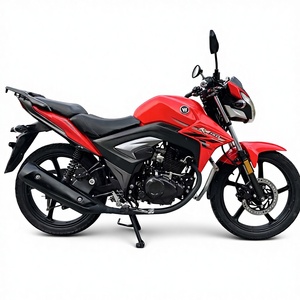
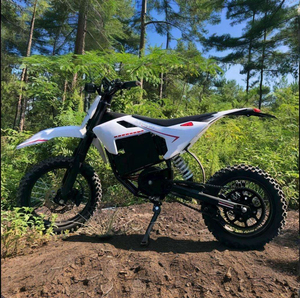
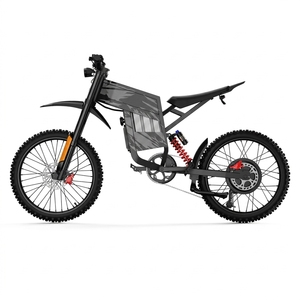
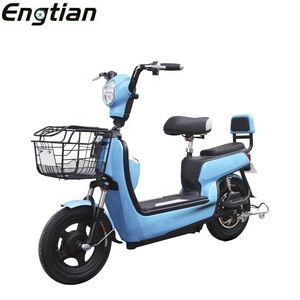
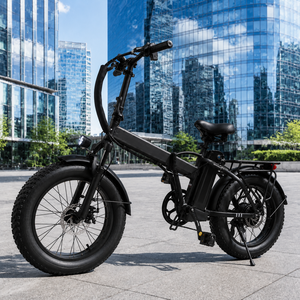
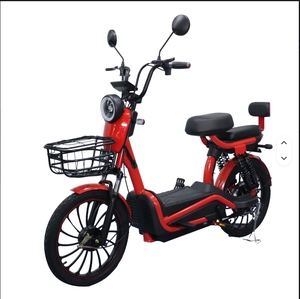
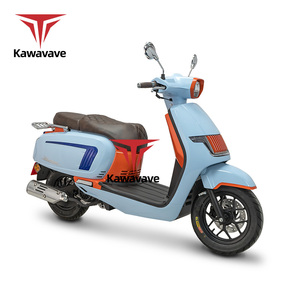
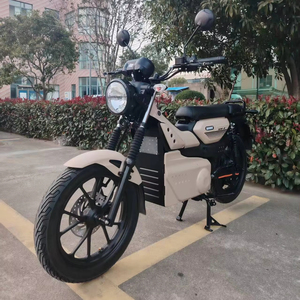
The Metropolitan Area of Bangkok (BMA) represents one of the most demanding, dense, and high-growth micro-mobility and urban transit markets in Southeast Asia. With over 3.5 million registered motorcycles navigating arterial bottlenecks along Sukhumvit, Sathorn, and Rama IV roads, the transition from internal combustion engines (ICE) to electric two-wheelers (E2Ws) has escalated from an environmental objective to an operational imperative for fleet operators, enterprise distributors, and municipal logistics networks.
Information Gain Insight: Operating an electric vehicle fleet in Bangkok requires solving three hyper-local engineering friction points: extreme ambient heat (averaging 34°C–40°C year-round), flash monsoonal street flooding requiring high ingress protection ratings (IP67 or higher for battery casing and hub/mid-drive motors), and continuous low-speed, high-torque stop-and-go duty cycles. Generic lightweight e-bikes engineered for temperate Western urban grids consistently fail under Bangkok’s intense humidity, ambient thermal stress, and heavy payload demands.
Under the Thai National Electric Vehicle Policy Committee’s EV 3.5 package, government subsidies ranging between 18,000 to 50,000 THB per unit, combined with reduced import tariffs and excise tax cuts (down to 1%), have created an unprecedented window for fleet managers and B2B importers to establish supply lines with globally homologated Tier-1 OEMs.
To assist procurement directors, commercial fleet operators, and automotive importers in evaluating viable OEM/ODM partners serving Thailand, our growth analytics team conducted an empirical benchmark of top global electric motorcycle manufacturers supplying the Greater Bangkok region. Vendors were evaluated across five critical metrics: Homologation Readiness (DLT & L3e/A1 Compliance), Thermal Battery Management, Water Ingress Protection, Fast-Charging Compatibility (Type 2 IEC 62196), and Chassis Structural Rigidity.
| Manufacturer / OEM Category | Primary Classification | Battery Tech / Thermal Control | Ingress Rating | Fast Charging | Bangkok B2B Suitability |
|---|---|---|---|---|---|
| 1. RGNT Craftsmanship Series | L3e / A1 High-End Street & Scrambler | 8.3–10.1 kWh Modular Liquid/Air Cooled | IP67 Enclosure | 6 kW Type 2 (1 Hour 80%) | Tier-1 Commercial & Premium Urban |
| 2. Premium European Retro OEMs | L3e Urban Commuter | 7.2 kWh NMC Solid Cell | IP66 Rated | 3.3 kW Type 2 | Executive Commute / High Reliability |
| 3. Heavy-Duty Enterprise Fleet Suppliers | Commercial Delivery / Cargo | 60V/72V LFP Swappable Packs | IP67 Motor / IP65 Pack | 1.8 kW Onboard Standard | Last-Mile Logistics & Express Delivery |
| 4. High-Torque Electric Off-Road OEMs | Sport / Utility Dirt & Urban Scrambler | 72V 80A High-Density Lithium | IP67 Sealed Core | 2.2 kW DC Charger | Severe Terrain & Perimeter Patrol |
| 5. Mid-Range Urban Commuter Brands | L1e / L3e Scooter Equivalent | 48V–60V Lithium Ion Dual Module | IP65 Rated | 1.2 kW Wall Plug | Standard Mass Commute / B2C Retail |
| 6. Folding & Compact Hybrid Mobility | Micro-Commuter / Multi-Modal | 48V 13Ah Hidden Frame Lithium | IP54 Water Resistance | 500W Standard Plug | Short Distance Last-Mile Transit |
| 7. Lightweight Smart Moped Factories | Urban Moped / Delivery Micro-Fleet | 48V Smart BMS Pack | IP65 Enclosure | 400W–800W Standard | Campus & Gated Community Transport |
| 8. Vintage & Retro Style E-Bikes | Lifestyle / Tourism Urban Cruiser | 48V 350W Brushless Hub | IP55 Rated | 450W Standard | Boutique Tourism & Resort Rental |
| 9. High-Speed Electric Sportbike Builders | L3e High-Performance Sport | 72V High-C Discharge Lithium | IP66 Core System | 3.6 kW Type 2 Ready | Performance Enthusiast / Highway Transit |
| 10. Commercial Gas-to-EV Transitional OEMs | Retro Gas / EV Convertible Chassis | 125cc Equivalent Powertrain | IP65 Mechanical Bay | Standard AC Charging | Traditional Fleet Retrofit Programs |
Drawing directly from the structural standards of high-end Swedish electric motorcycle manufacturing—typified by platforms such as RGNT—modern urban electric motorcycles supplying Bangkok must reject flimsy, mass-market plastic fairings in favor of industrial grade materials. Heavy-duty aluminum alloy frames, hand-finished structural components, and high-copper brushless hub and mid-drive motors deliver unmatched operational longevity under daily thermal expansion and high-humidity exposure.
Bangkok’s constant 35°C+ heat profile requires advanced Battery Management Systems (BMS) with real-time temperature throttling, active cooling heat sinks, and thermal runaway containment. This maintains battery longevity past 1,000+ full charge cycles without degradation.
Leveraging standard European Type 2 (IEC 62196) ports allows seamless integration with Thailand’s expanding public charging network (PTT EV Station PluZ, PEA VOLTA, MEA EV). High-power 6kW single-phase fast charging replenishes battery capacity from 20% to 80% in under 50 minutes.
Low-lying flood zones across Bangkok demand IP67+ sealed battery cases and potted controller electronics. Sealed drivetrain assemblies enable safe operation through standing street water up to 30cm deep during monsoon downpours.
An optimal electric motorcycle deployment is contingent on matching the powertrain, chassis geometry, and battery configuration to specific micro-climates and usage profiles across the Bangkok Metropolitan Region:
In high-density commercial nodes like Sathorn, Silom, and Sukhumvit, vehicle agility and instant torque are critical for navigating lane-splitting situations. Premium retro street models featuring low centers of gravity, hydraulic disc brakes with ABS, and instantaneous throttle response allow executive commuters to bypass gridlocked traffic safely while maintaining zero tailpipe emissions.
For express logistics operators (Grab, LINE MAN, Shopee Express) navigating Bangkok's maze-like sois (side streets), operational costs per kilometer dictate profitability. Replacing 125cc petrol scooters with heavy-duty electric moped/motorcycle platforms reduces total cost of ownership (TCO) by up to 75%, eliminating routine oil changes, belt replacements, and spark plug maintenance.
In outer provinces such as Nonthaburi, Samut Prakan, and Pathum Thani, riders encounter unpaved shoulders, broken asphalt, and deep water accumulation during monsoonal surges. Dual-sport scrambler configurations equipped with 18-inch front wheels, elevated ground clearance (+20mm), and aggressive tread patterns provide superior stability and water-wading capability.
Navigating the import and commercial clearance of electric vehicles into Thailand requires strict adherence to the standards enforced by the Department of Land Transport (DLT) and the Thai Industrial Standards Institute (TISI).
For an electric motorcycle to qualify for full road registration and license plate issuance in Thailand, the motor must demonstrate a continuous power rating of at least 250W and be capable of maintaining a top speed exceeding 45 km/h. High-speed L3e class models (rated at 11 kW to 135 km/h) meet and exceed all DLT highway access mandates.
TISI standard 2879-2560 governs lithium-ion cell safety, mechanical shock, drop testing, and overcharge protection. Importers must ensure OEM partners supply certified UN 38.3 test reports and MSDS documentation to streamline customs clearance at Laem Chabang Deep Sea Port or Bangkok Port (Klong Toey).
Modern B2B fleet management in Bangkok requires CAN-bus IoT telemetry. Integration of GPS tracking, remote battery diagnostics, geo-fencing, and over-the-air (OTA) firmware updates ensures fleet dispatchers maintain continuous visibility over state-of-charge (SoC) and vehicle health metrics across the city.
Critical engineering, customs, and operational guidance for enterprise buyers, distributors, and fleet managers in Thailand.