
The Scandinavian landscape is undergoing a pivotal shift in personal transportation and urban logistics. As Finland aggressively pursues its nationwide goal of carbon neutrality by 2035, municipal infrastructure across cities like Helsinki, Tampere, Turku, and Oulu is being dynamically re-engineered for light electric vehicles (LEVs). Within this regulatory and environmental evolution, urban mobility motorcycles—ranging from high-speed L3e street platforms to specialized cargo e-motorcycles—have emerged as the backbone of zero-emission commuting and last-mile freight networks.
Navigating the Nordic market requires specialized engineering expertise. Urban mobility motorcycles in Finland must withstand extreme sub-zero winter temperatures, corrosive road-salt slush, rugged icy terrain, and stringent compliance audits enforced by the Finnish Transport and Communications Agency (Traficom). This comprehensive industry benchmark evaluates top urban mobility motorcycle manufacturers and factories supplying the Finnish market. It highlights breakthrough battery management system (BMS) heating technologies, modular assembly methodologies, and localized market strategies that enable B2B fleets and retail distributors to achieve unprecedented operational reliability and high information gain.
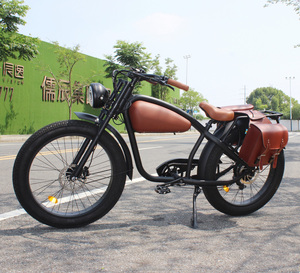
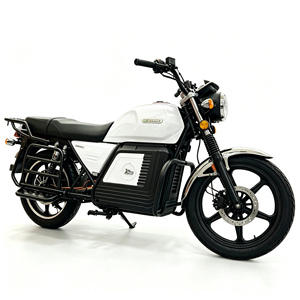
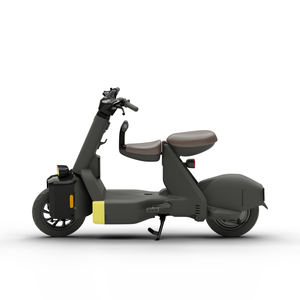
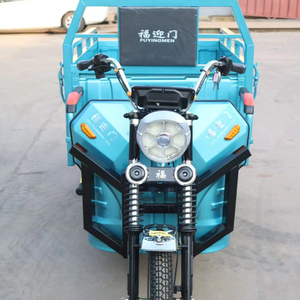
Below are eight flagship electric motorcycle platforms designed for modern urban commuter routes, heavy-duty cargo freight, and retro lifestyle riding across Finland. Each card features localized engineering specs, optimized for high durability and Scandinavian weather compatibility.
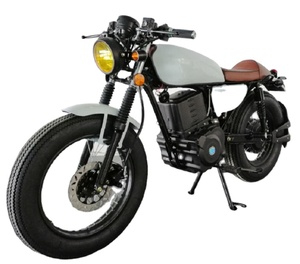
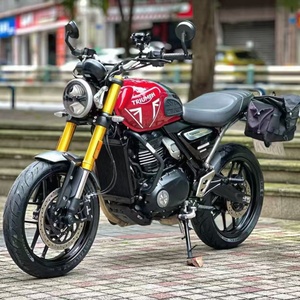
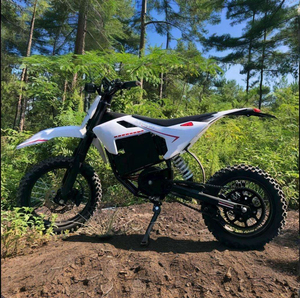
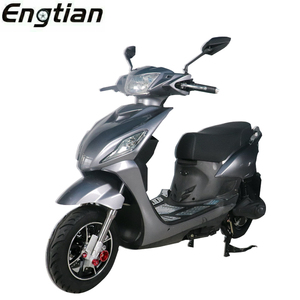
The primary technical barrier for electric urban mobility in Finland is thermal degradation of lithium-ion cells during sub-zero operational windows. When temperatures drop below -10°C, conventional battery chemistries suffer from increased internal impedance, voltage sag, and reduced regenerative braking efficiency. Leading manufacturing partners supplying the Finnish market utilize integrated thermal conditioning systems featuring PTC self-regulating heating blankets and advanced liquid thermal loops.
Automated cell pre-heating activates during Type 2 AC plug-in charging. By elevating core cell temperatures to +15°C before discharge, riders maintain 95% of nominal WLTP range even in mid-winter conditions.
Integration of 6 kW single-phase 32A vehicle inlets compatible with standard Type 2 public charging stations across Nordic highways, allowing 20% to 80% charge recovery in 45–50 minutes.
Fully sealed structural battery enclosures, liquid-proof harness connections, and powder-coated lightweight aluminum subframes designed to resist salt corrosion and slush accumulation.
The table below provides a side-by-side comparative analysis of technical parameters essential for commercial fleet operators and wholesale importers evaluating electric motorcycle procurement for the Finnish market.
| Platform Feature | Urban Commuter (A1 / L3e) | Scrambler / Off-Road | Heavy-Duty Cargo Freight |
|---|---|---|---|
| Target Application | Helsinki Daily Commute / Rental Fleets | Suburban, Trail & Winter Riding | Tampere & Turku Urban Delivery |
| Nominal / Peak Motor Output | 6 kW / 11 kW Hub or Mid-Drive | 3.2 kW / 8 kW High Torque | 8 kW / 15 kW High Efficiency Hub |
| Battery Configuration | 8.3 kWh to 10.1 kWh NMC Lithium | 60V / 72V Removable Pack | Dual 72V 40Ah Heavy Duty Packs |
| WLTP Estimated Range | 139 km – 170 km | 70 km – 100 km | 110 km (Under 130kg Full Load) |
| Traficom Homologation | L3e-A1 (Car licence + A1 extension) | L3e / Off-Road Dual Spec | L3e-B Commercial Utility |
| Braking & Safety | Combined Braking System (CBS) / ABS | Dual Disc Hydraulic + Regen | Heavy-Duty Quad-Piston Disc + EBS |
Deploying urban motorcycles in Northern Europe requires an understanding of localized micro-geographies, seasonal weather shifts, and commercial logistics demands. Below are the three primary deployment vectors observed in Finland today:
In the greater Helsinki metropolitan region, dense urban corridors demand quick acceleration to match traffic flow on arterial roads like Kehä I and Tuusulanväylä. Riders require platforms with low centers of gravity, predictable throttle response on icy patches, and instant Type 2 charging compatibility at workplace parking hubs.
Key Feature Requirement: Studded winter tire clearance, heated handgrips, traction control software tuned for low-friction ice surfaces.
With logistics companies striving to eliminate diesel vans from city centers, cargo electric motorcycles featuring 0.8m rear freight beds and 130kg payload capacities have become indispensable. These utility bikes navigate narrow pedestrian zones and cobbled historic streets seamlessly.
Key Feature Requirement: Reinforced rear suspension, heavy-duty cargo rack mounting, hot-swappable dual battery systems for 24/7 fleet uptime.
Driven by national climate legislation and changing consumer preferences, Finland's light electric vehicle market is rapidly maturing. Several key development trends define current purchasing behaviors for individual consumers and institutional B2B buyers alike:
As a specialized manufacturer and supply partner focused on high-performance electric motorcycles, our factory infrastructure is built around small-batch precision engineering, stringent EU quality control, and scalable OEM/ODM production processes.
Every unit undergoes rigorous multi-point digital torque testing, IP67 pressure testing, and dyno brake inspection. Every motorcycle leaves the factory backed by a complete digital manufacturing passport.
To optimize import tariffs and local assembly costs in Northern Europe, we provide flexible Completely Knocked Down (CKD) and Semi-Knocked Down (SKD) kits backed by step-by-step engineering documentation.
We supply turnkey dealer service diagnostic tools, remote cloud diagnostics integrations, and full spare part availability with 48-hour dispatch windows across Europe.
Whether you are seeking custom OEM/ODM manufacturing, distribution territory rights, or commercial fleet procurement, our engineering team is standing by to provide technical support and quotation quotes.
Inquire NowOur street-legal L3e-A1 platform models are homologated under European Union frameworks and Traficom guidelines. Riders require an A1 motorcycle licence, an A licence, or in specific regulatory cases, a standard B car driving licence accompanied by accredited light vehicle training. Capped 45 km/h L1e variants are also available for Moped licence holders (AM120).
All bikes engineered for Nordic export feature smart BMS software equipped with internal thermal management. When plugged into a Type 2 or domestic charger, the system uses grid power to pre-warm the battery cells before operation, preserving nominal battery capacity, voltage stability, and range performance even in extreme cold.
Our motorcycles come standard with integrated Type 2 (IEC 62196) charge ports. They can connect directly to public AC charging stations operated by networks such as Type 2 public stations, Virta, and Recharge across Finland. The optional 6 kW fast charger replenishes 80% battery capacity in less than an hour.
Compared to traditional internal combustion engines, electric motorcycles reduce routine workshop labor by up to 70%. There are no oil changes, spark plugs, clutch adjustments, or exhaust treatments. Routine service consists primarily of checking hydraulic brake pad wear, tire pressure monitoring, and occasional software updates.
Yes. Our manufacturing facility provides full custom ODM services including custom frame geometry, battery capacity sizing, bespoke paint and body panel finishes, customized digital dash GUIs, and integrated IoT telemetry modules tailored for commercial fleet branding.
© 2025 Urban Mobility Electric Motorcycle Manufacturing Whitepaper. Technical specifications based on WLTP standard testing procedures. Operational figures may vary depending on local weather conditions, payload, and terrain profiles.