
Engineered for extreme reliability, sub-zero battery thermal dynamics, and compliance with Statens vegvesen (Norwegian Public Roads Administration) standards.
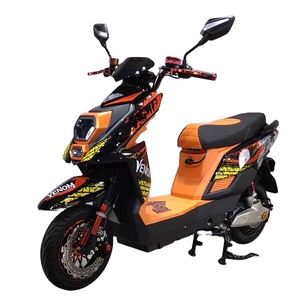
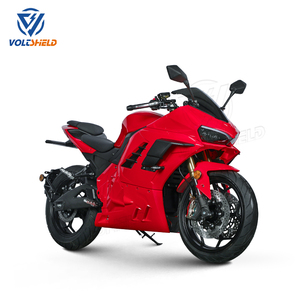
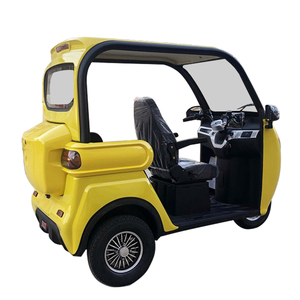
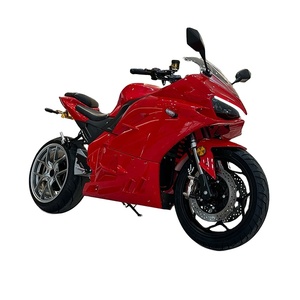
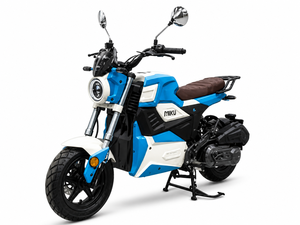
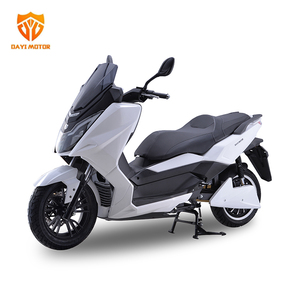
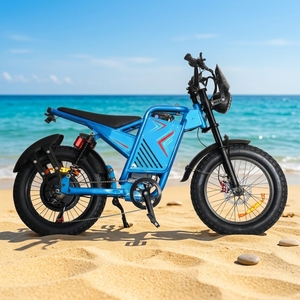
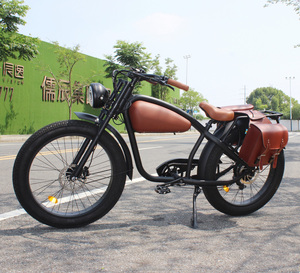
Norway stands as the undisputed global pioneer in light vehicle electrification. Driven by national climate directives targeting zero emissions across all road transport segments, the market for L3e electric motorcycles (equivalent to 125cc+ internal combustion engine motorbikes) is undergoing unprecedented structural growth. Municipalities such as Oslo, Bergen, Trondheim, and Stavanger are progressively restricting combustion engine access in urban centers, creating immediate operational demands for high-capacity, low-maintenance electric two-wheelers.
For commercial fleet operators, motorcycle rental agencies, municipal services, and retail importers serving Norway, selecting a manufacturing partner goes far beyond basic aesthetic styling. Norway’s unique geography—characterized by severe sub-zero winter temperatures, salty coastal air along Atlantic fjords, steep gradients, and sparse rural distances—demands specialized OEM/ODM engineering capabilities. Manufacturers serving the Norwegian territory must deliver robust EU 168/2013 EU Type-Approval (CoC) certification, sub-zero battery thermal insulation, integrated Type 2 charging compatibility, and exceptional build durability.
Norwegian buyers benefit from 0% VAT on qualifying zero-emission vehicles, exemption from heavy registration taxes, and up to 50-100% discounts on toll roads (Bompenger) and ferry crossings.
L3e-A1 classified electric motorcycles (continuous power ≤ 11 kW, power-to-weight ratio ≤ 0.1 kW/kg) can be legally operated in Norway with standard A1 licenses, vastly enlarging the target customer base.
With over 25,000 public AC charging points operating standard Type 2 plugs across Norway, onboard Type 2 charger integration unlocks nationwide transit without custom wallbox adapters.
The primary barrier to year-round electric motorcycle operation in Northern Europe is electrochemical degradation at sub-zero temperatures. Standard Lithium-ion pouch or cylindrical cells experience severe internal resistance buildup below 0°C, leading to voltage sag, reduced usable capacity, and potential permanent lithium plating during unheated charging cycles. Premier OEM/ODM manufacturers serving Norway must implement advanced BMS (Battery Management System) thermal management protocols.
Our manufacturing architecture incorporates integrated PTC (Positive Temperature Coefficient) thermal blankets directly within the NCM/LFP battery pack enclosure. Controlled by a smart 32-bit automotive MCU, when the vehicle is connected to a charging station in ambient temperatures as low as -25°C, the system diverts auxiliary grid power to pre-heat the battery cells to an optimal +15°C baseline prior to initiating high-current charging. This guarantees full cycle life retention (exceeding 1,200 full charge/discharge cycles to 80% SOH) and restores 100% of nominal range during winter urban commuting.
Norwegian winter roads are heavily treated with magnesium chloride and sodium chloride brines. Coastal regions present constant saline fog. To prevent galvanic corrosion and electrical short circuits, leading factories deploy:
| Technical Component | Standard Global Market Spec | Nordic OEM/ODM Export Spec |
|---|---|---|
| Battery Cell Chemistry | Standard LiFePO4 / NCM 18650 | High-Density NCM 21700 / CATL Prismatic (Low-Temp Formulation) |
| Low-Temp Operation | 0°C to 45°C limit | -25°C to 50°C with Active PTC Pre-Heating & Thermal Insulation Jacket |
| Charge Port Standard | 110V/220V AC Household Plug | Integrated IEC 62196 Type 2 Port (Supports 1.8kW Standard / 6kW Fast AC) |
| Traction & Safety Systems | Standard Mechanical Brake CBS | Bosch Dual-Channel ABS + Multi-Stage Regenerative Traction Control (TCS) |
| Drive System | Direct Hub Motor / Chain Drive | Sealed Belt Drive or Enclosed Liquid-Cooled Mid-Drive Motor |
Importing electric motorcycles into Norway requires strict adherence to European Union Framework Regulation (EU) No 168/2013. Statens vegvesen strictly verifies Certificate of Conformity (CoC) documents before granting national vehicle registration (skilt). As an experienced OEM manufacturing partner, every L3e model leaving our facilities undergoes rigorous laboratory testing to verify type-approval compliance across all sub-categories:
Essential safety components including dual-channel ABS braking systems (mandatory for L3e-A2/A3 under EU law), E-mark certified LED headlamps with daytime running lights (DRL), electromagnetic compatibility (EMC) testing according to ECE R10, and tamper-proof vehicle control units (VCU) are integrated directly into our mass-production assembly lines.
Different regions of Norway present contrasting terrain, weather, and infrastructure dynamics. Our modular L3e electric motorcycle platforms are customized for distinct operational environments:
Navigating ring roads (Ring 1, 2, 3) and bus lanes (Kollektivfelt). Compact frame geometry, instant electric torque for quick stop-and-go maneuvers, and integrated Type 2 charging allow office commuters to recharge at municipal parking stations effortlessly.
Subject to over 200 days of rainfall annually. Requires advanced traction control (TCS), Michelin City Grip wet-weather compound tires, and IP67 double-sealed wiring harnesses to handle steep, rain-soaked cobblestone gradients without slippage.
Requires high-capacity 8.3 kWh to 10.1 kWh dual battery arrays, providing real-world range up to 170 km. Regenerative braking systems harvest kinetic energy during steep downhill descents along mountain roads, feeding up to 15% energy back into the pack.
We supply complete EU Type-Approval documentation and full CoC papers issued under EU Regulation 168/2013 with every bike shipped. Norwegian customs (Tollvesenet) and Statens vegvesen clear these vehicles seamlessly without requiring individual vehicle testing (Enkeltgodkjenning).
Yes. All export units bound for Norway can be equipped with an integrated IEC 62196 Type 2 charge port. They connect directly to standard 22kW/11kW public AC charging pillars found in Norwegian cities, operating via on-board 1.8kW standard chargers or optional 6kW high-speed single-phase modules.
We provide a comprehensive 2-year or 10,000 km factory warranty covering motor, controller, frame, and battery packs. Cells are rated for >1,000 full charge cycles retaining over 80% SOH. We supply replacement module kits and remote CAN-bus diagnostic tools to your local repair hubs.
To support growing distributor networks and boutique brands in Norway, our flexible manufacturing line offers low initial OEM MOQs starting at just 1 unit for sample evaluations, and 10 to 20 units for custom branded small-batch production runs.
Our Nordic-spec battery packs utilize low-temperature electrolyte formulas paired with automatic PTC heating blankets wrapped inside insulative housing. When plugged into a charger at sub-zero temperatures, the BMS auto-heats the pack prior to current input, preserving range and cell integrity.
Bikes are securely packaged in steel-reinforced crating. Direct sea freight shipments arrive at Port of Drammen or Port of Oslo within 30–35 days from factory dispatch. Air freight for sample testing takes approximately 7–10 days.
Rooted in a philosophy of engineering precision, handcrafted attention to detail, and sustainable green technology, our manufacturing facility bridges the gap between boutique small-batch craftsmanship and high-volume industrial reliability. Having produced and delivered hundreds of premium handcrafted electric motorcycles to European markets, our factory delivers unparalleled OEM flexibility.
Every bolt is torque-checked against strict quality standards, and every battery pack undergoes 100% automated end-of-line (EOL) charge-discharge cycle testing before vehicle installation.
Interested in importing, distributing, or OEM manufacturing custom L3e electric motorcycles tailored for the Norwegian market? Speak directly with our senior engineering and export sales teams today.